Title The Legend of Zelda: A Link to the Past
Developer Nintendo EAD
Publisher Nintendo
Year 1991
Platform focus SNES original release
Genre Action-adventure
Score 10 / 10
The Legend of Zelda: A Link to the Past still sits near the top of one very practical retro search in 2026: what is the best classic Zelda game to actually play, not just respectfully nod at? I think Nintendo’s 16-bit landmark still has one of the strongest claims. Plenty of old favourites survive because they were influential. A Link to the Past survives because it is still absurdly playable: fast to read, generous with momentum, and sharp enough that modern action-adventure games are still quietly stealing from it.
What stands out now is how little friction there is between curiosity and reward. The opening gets you moving immediately, the world gives you just enough mystery without turning every next step into a scavenger hunt, and the dungeons understand that a puzzle is more satisfying when it feels like a click rather than a lecture. In the same way Chrono Trigger still feels startlingly brisk for a revered SNES giant, A Link to the Past refuses to behave like homework. It still feels alive.
Why A Link to the Past Still Works
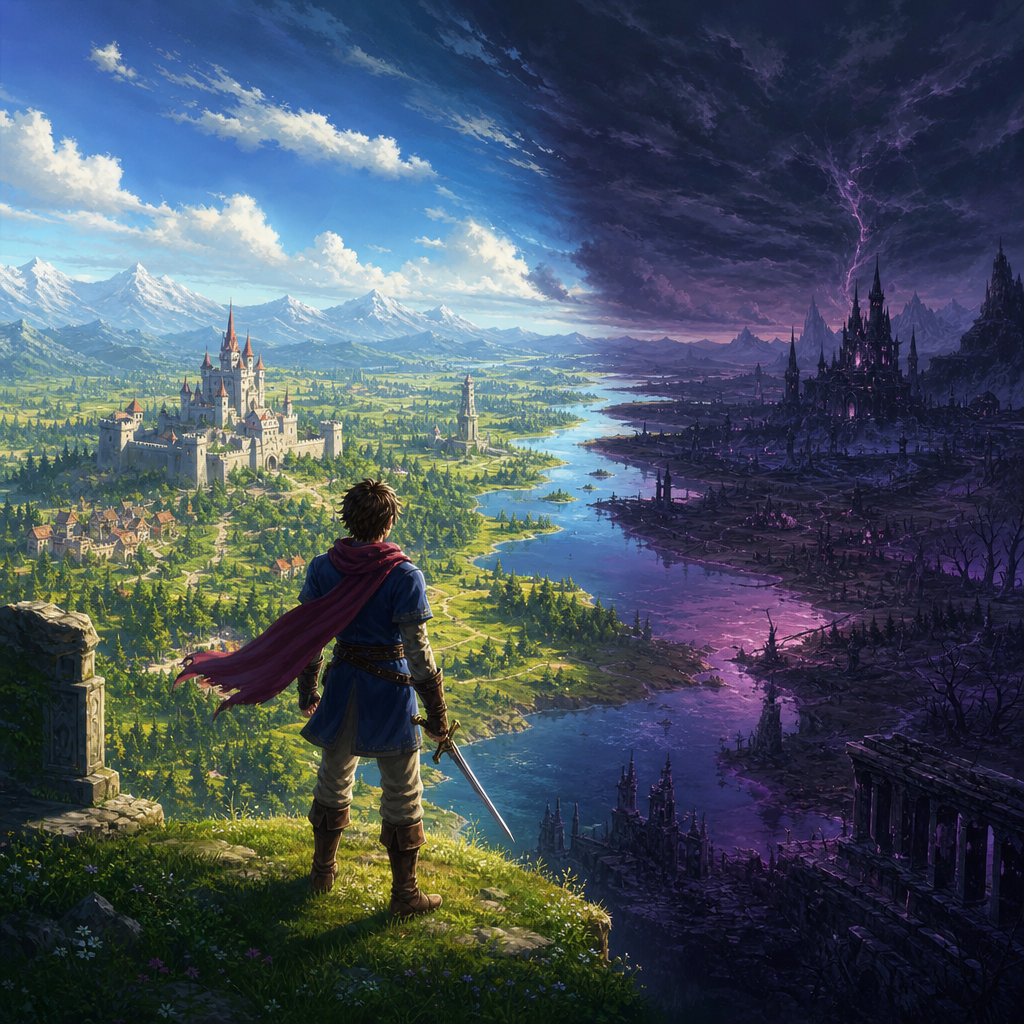
Its greatest trick is structure. Hyrule is compact enough to learn, but layered enough to keep paying you back for memory. Early paths that seem decorative become meaningful later, and the Light World / Dark World split is still one of Nintendo’s smartest pieces of adventure design. It does not just double the map for bragging rights. It turns geography into a puzzle, teaching you to look at familiar spaces differently. That idea still feels elegant rather than gimmicky.
The dungeons are just as important. They are concise, mechanically clean, and usually built around a memorable hook without overstaying it. You get the joy of mastering a fresh toy, then the game moves on before the trick wears thin. That pacing is a big part of why the adventure still feels so modern. Where some classics ask for patience because they came first, A Link to the Past mostly earns patience by being good.
Combat is simple, but simplicity is part of the point. Link’s sword swings have real snap, enemies telegraph clearly, and the item set gives every fight or room a small tactical question. It is not a combat sandbox in the modern sense, yet it constantly keeps your hands busy. If Super Metroid is the moody side of SNES world design, A Link to the Past is the cleaner, brighter version that wants progress to feel adventurous instead of oppressive.
Where the Age Shows
It is not flawless. A few progression beats are still cryptic enough that first-time players may wonder whether they missed a clue or simply failed to think like a 1991 Nintendo designer. The inventory can also feel a touch fiddly once you are swapping tools more often, especially compared with later Zelda entries that streamline item use.
There is also less character texture than modern players may expect if they are arriving from Ocarina of Time onward. A Link to the Past is stronger on atmosphere and movement than on deep conversations or cinematic payoff. That is not a dealbreaker, but it does shape the experience: this is an adventure machine first, a character drama second.
Why It Still Matters in 2026
A Link to the Past still matters because it nails the bit so many imitators overcomplicate: the pleasure of going somewhere, finding something, and understanding the world a little better than you did ten minutes ago. It trusts map design, enemy placement, and item logic to create momentum. That confidence is why it remains one of the easiest recommendations for anyone searching for the best SNES Zelda, the best place to start with 2D Zelda, or simply a retro game that still feels instantly readable.
It also remains a reminder that adventure games do not need bloat to feel epic. Hyrule feels large because the design is dense, not because the playtime is padded. That economy still looks impressive next to plenty of newer games that confuse scale with significance.
Verdict
The Legend of Zelda: A Link to the Past is still an essential retro recommendation in 2026. It is elegant, readable, brilliantly paced, and full of design ideas that have aged into fundamentals rather than relics. A little old-school obscurity and some item-management fuss stop it feeling completely frictionless, but not nearly enough to dull the adventure.
10 / 10. If you want the classic Zelda game that most cleanly explains why the series became a template for action-adventure design, this is still one of the first cartridges I would hand over.
- Play tip: Mark suspicious ledges, cracked walls, and odd dead ends in your head. The game loves rewarding players who remember the map.
- Play tip: When progress stalls, experiment with the item you most recently earned before assuming you need a guide.
- Authority link: Wikipedia overview of The Legend of Zelda: A Link to the Past
- Authority link: Nintendo Switch Online page for The Legend of Zelda: A Link to the Past
Where does A Link to the Past land for you now: still the best 2D Zelda, or has another entry taken the Master Sword off it?
Leave a Reply