Tag: Action Adventure

  • God of War Laufey PS5: What PlayStation Confirmed About Faye’s New Adventure

    God of War Laufey PS5: What PlayStation Confirmed About Faye’s New Adventure

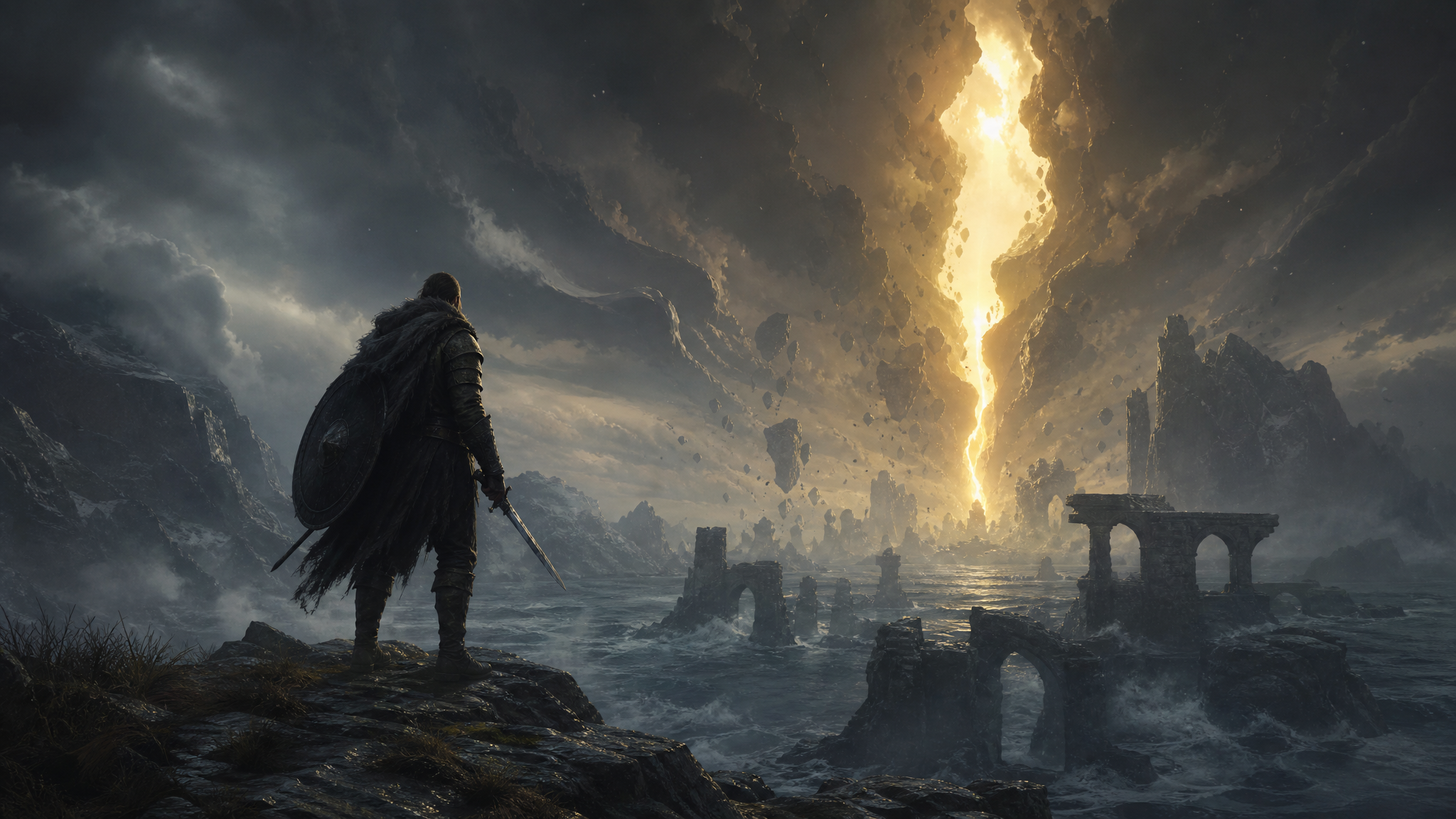
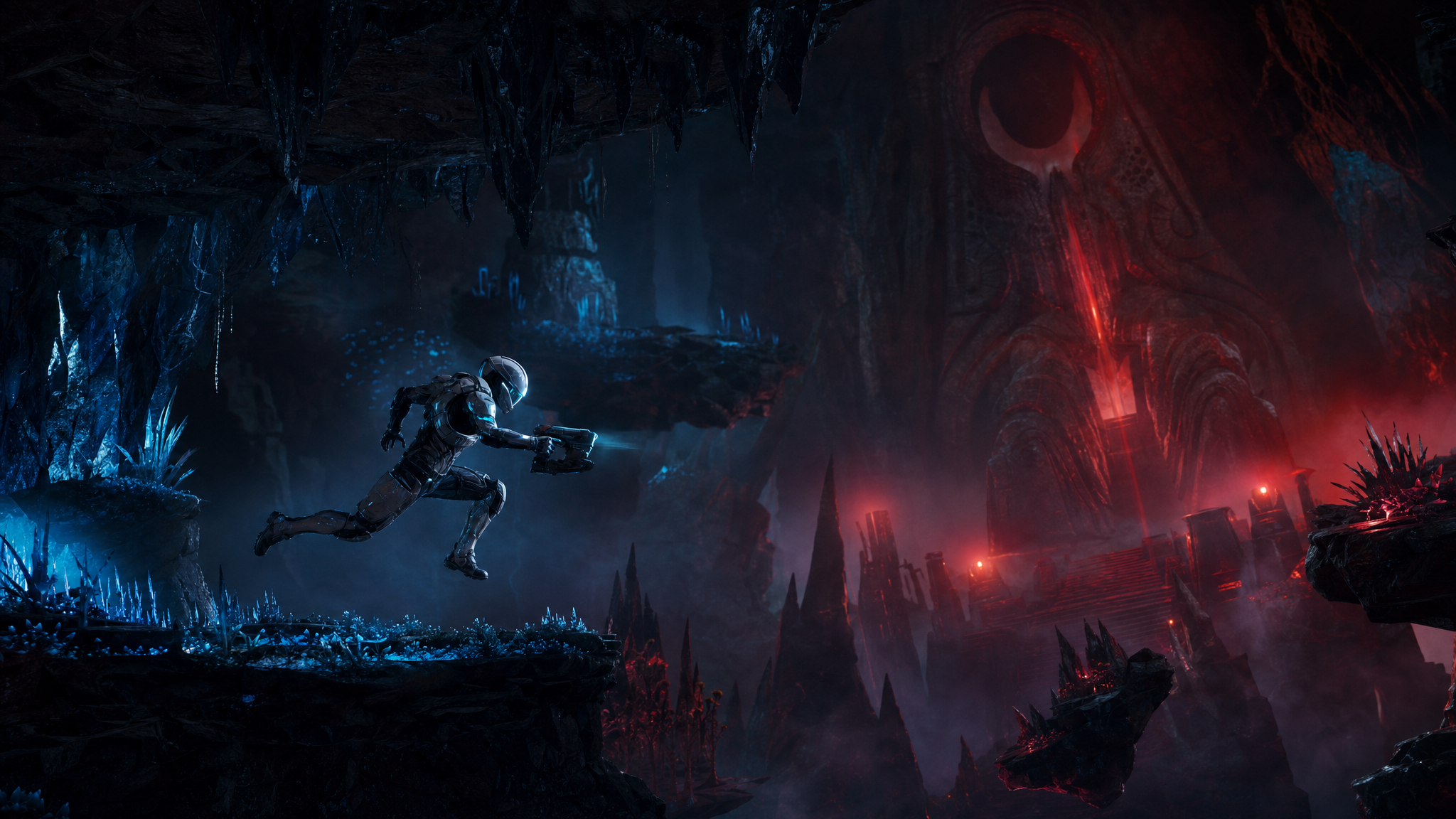
    God of War Laufey has that rare post-showcase energy where the reveal raises as many useful questions as it answers. Sony and Santa Monica Studio confirmed a new mainline PS5 entry led by Faye, Kratos’ wife, with a setting called the Everywhen and combat built around speed, aerial movement, and soul-based abilities. That is a big swing for one of PlayStation’s safest blockbuster series.

    It also explains why people immediately started searching the obvious stuff: Is Kratos gone? Is this a prequel? When does God of War Laufey come out? Right now, the cleanest answer is that Sony has confirmed who you play as, where the story begins, and how different the combat should feel — but not an exact release date. If you watched the reveal in our State of Play June 2026 roundup, this is the part that deserved a closer look.

    What PlayStation actually confirmed about God of War Laufey

    The official PlayStation Blog frames Laufey as the next mainline chapter in the series, not a throwaway spinoff. Faye wakes after her funeral in the Everywhen, described as an afterlife of the gods where magic from different mythologies collides. Her goal is to protect the plans she left behind for Kratos and Atreus, which means this story runs in the shadow of the Norse saga without simply retreading Kratos’ path.

    That matters because the reveal could have felt like a novelty twist. Instead, Sony is clearly selling it as a proper continuation with familiar series pillars: brutal combat, heavy story focus, and a big mythic road trip through a dangerous new realm. If you liked how Onimusha used State of Play to move from tease to specifics, this reveal has a similar confidence. Sony is not being coy about whether this game counts. It counts.

    Why Faye could make combat feel fresher than another Kratos outing

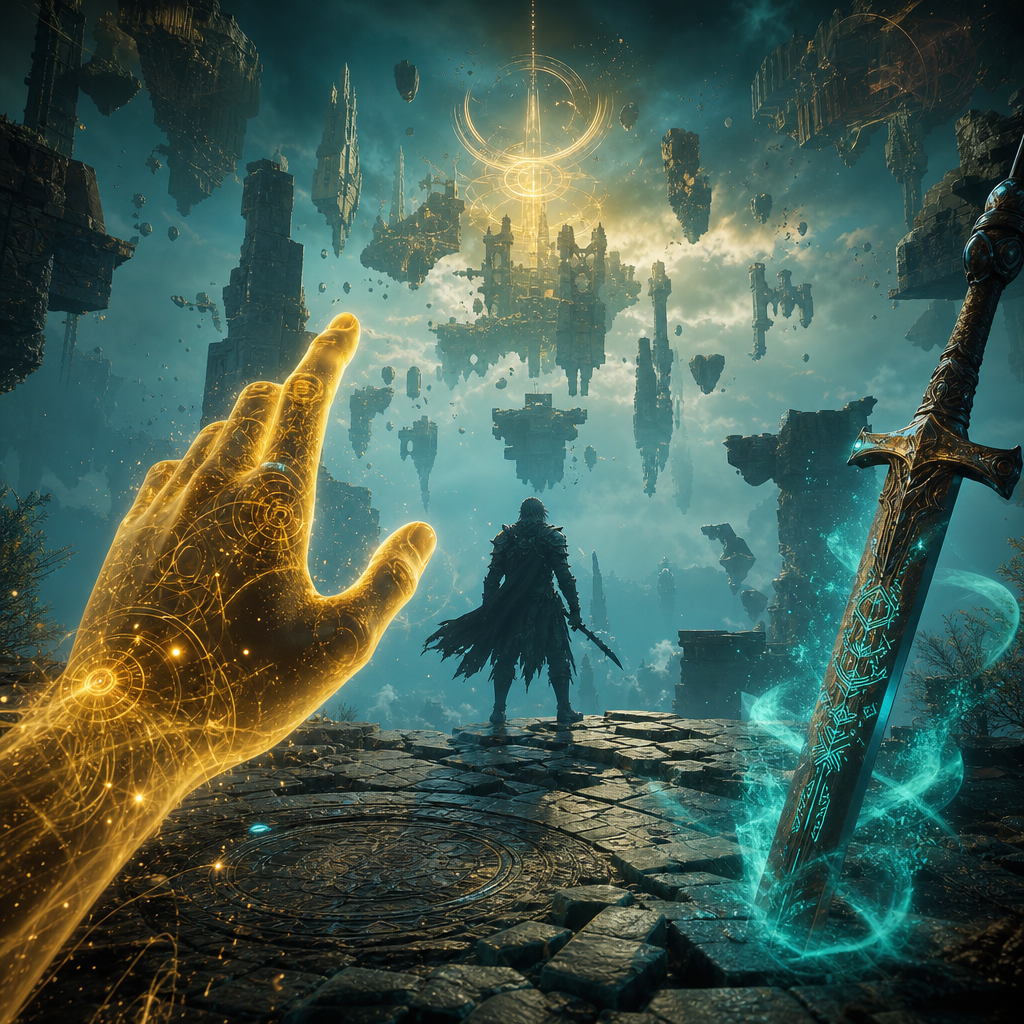
    The most interesting detail in the official write-up is not the setting. It is the promise that Faye’s fighting style blends the old Greek-era mobility with the tighter modern God of War feel. Santa Monica says she can move more fluidly between ground and air, keep momentum across combos, and use amplified soul powers in ways that sound more aggressive and less tank-like than Kratos.

    That could be exactly the refresh this series needed. Kratos is iconic, but he is also a known quantity now. Faye gives the studio room to keep the prestige-action formula while making the actual controller feel different. Her golden-hand abilities, soul manipulation, and lighter movement profile sound like the sort of changes that are easy to market and even easier for players to notice in the first ten minutes.

    Should fans worry that Kratos is being replaced?

    Probably not. IGN’s follow-up coverage points out that director Ariel Lawrence openly acknowledged fan skepticism after the reveal, especially from players who instinctively tie God of War to Kratos. But the line coming from Sony is reassuringly blunt: there are still more Kratos stories to tell. Laufey looks more like a deliberate expansion of the franchise than a hard character swap.

    God of War does not need to abandon Kratos to stay interesting; it just needs another character strong enough to carry a different flavour of mythic action. Faye has always had more narrative gravity than her screen time suggested, so building a full game around her feels less random than it might have sounded on paper.

    God of War Laufey release date: what we know right now

    Here is the awkward but useful bit: Sony has not announced a release date yet. The official messaging is simply that God of War Laufey is coming to PlayStation 5 and available to wishlist now. So if you are searching for a locked date, there is not one. What you do have is a proper reveal, a PlayStation Store listing, early story detail, named companions, and enough gameplay framing to suggest this is past the vague-concept stage.

    That is why the real traffic angle here is not fake certainty. It is clarity. God of War Laufey is a PS5 mainline entry starring Faye, set in the Everywhen, focused on faster combat and soul-driven powers, and it has not been given a date yet. For now, that is the cleanest answer — and honestly, a more useful one than pretending rumours are facts.

    Does a Faye-led God of War sound like the right shake-up for the series, or would you rather Santa Monica went straight back to Kratos for the next big chapter?

    Sources

  • Metroid Prime Review — Is Nintendo’s 2002 GameCube Classic Still Worth Playing in 2026?

    Metroid Prime Review — Is Nintendo’s 2002 GameCube Classic Still Worth Playing in 2026?

    Title Metroid Prime
    Developer Retro Studios
    Publisher Nintendo
    Year 2002
    Platform focus GameCube original release
    Genre First-person action-adventure
    Score 10 / 10

    Metroid Prime still sits near the top of a very practical retro search in 2026: what older Nintendo game actually feels worth playing now, not just historically important? I think Retro Studios’ 2002 GameCube classic still earns that recommendation with room to spare. Plenty of beloved old games survive because they were bold for their moment. Metroid Prime survives because its world design, atmosphere, and sense of discovery still feel unusually confident even by modern standards.

    The miracle is that it never really plays like a compromise. Turning Super Metroid’s lonely exploration logic into 3D should have been a mess. Instead, Metroid Prime understands exactly what mattered in the first place: readable spaces, meaningful upgrades, quiet tension, and the feeling that every new ability changes how you read the planet. In the same way Castlevania: Symphony of the Night still explains why progression-led exploration works, Metroid Prime shows how that structure can thrive in first person without collapsing into corridor shooting.

    Why Metroid Prime Still Works

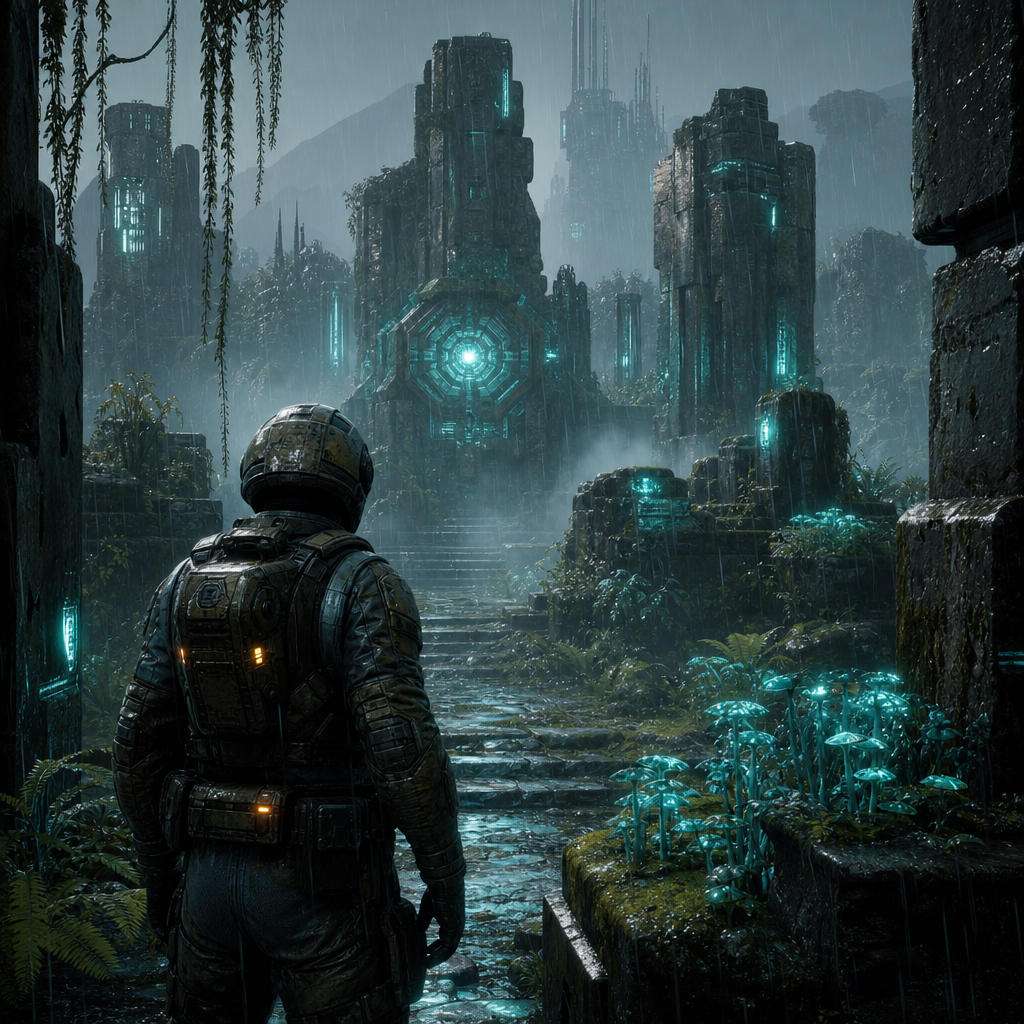
    Tallon IV remains the headline. The rain-slick ruins, frozen labs, toxic caverns, and ancient machinery still feel like parts of one coherent place rather than disconnected video-game biomes. Retro Studios understood that atmosphere is not just about graphics; it is about texture, sound, and restraint. The environmental audio still does a huge amount of lifting, and the visor effects give the whole adventure a physical presence many first-person games still struggle to match.

    Then there is the scan visor, which could have been a gimmick and instead becomes one of the game’s smartest ideas. It turns curiosity into mechanics. If you want the traffic angle in one sentence, here it is: people still search for the best exploration-heavy GameCube game, and Metroid Prime keeps being the answer because it rewards paying attention. Lore, creature behaviour, machinery, and small environmental details all make the world feel denser without drowning the player in cut-scenes.

    The progression loop is just as strong. Missiles, morph ball upgrades, beams, suit upgrades and traversal tools all feel like genuine keys rather than stat bumps. Backtracking usually lands because the world folds back on itself intelligently, and because the next power-up changes how you think about spaces you already passed through. It has that same elegant readability that makes A Link to the Past still feel so clean decades later: the game trusts you to notice patterns and remember unfinished business.

    Where the Age Shows

    It is not flawless. Combat is functional rather than thrilling for long stretches, especially if you come in expecting a modern first-person shooter. Lock-on works well and keeps the focus on movement, observation, and positioning, but routine fights can feel more like maintenance than drama. A few boss battles also lean harder on endurance and pattern repetition than they do on surprise.

    The late-game artifact hunt is the other obvious friction point. It is not disastrous, but it is one of those old-school pacing decisions that feels more respectable than exhilarating. Metroid Prime is usually brilliant at making backtracking feel purposeful; the artifact stretch is where that confidence wobbles and starts to feel a bit like homework.

    Why It Still Matters in 2026

    Metroid Prime still matters because it solved a conversion problem that should have gone wrong. It took the DNA of a 2D classic and rebuilt it in 3D without losing the series’ mood or structure. That remains impressive in 2026 because plenty of modern games with bigger budgets and louder scripts still fail to create this kind of solitude, coherence, and player-driven discovery.

    It also remains one of the best entry points for anyone curious about Nintendo’s older catalogue beyond mascot comfort food. If you want a GameCube classic that still feels immersive, intelligent, and properly transportive, this is one of the easiest recommendations on the shelf. It is not just a piece of Nintendo history. It is still a world worth getting lost in.

    Verdict

    Metroid Prime is still an essential retro Nintendo game in 2026: atmospheric without being empty, clever without becoming smug, and built around a progression loop that still makes exploration feel rewarding instead of procedural. Some combat flatness and the late artifact sweep show their age, but not nearly enough to damage the larger achievement.

    10 / 10. If you want the GameCube game that best proves older 3D design can still feel elegant, moody, and genuinely absorbing, Metroid Prime remains the standard.

    Where does Metroid Prime land for you now: still the GameCube’s exploration king, or has another Nintendo classic aged better in your eyes?

  • The Legend of Zelda: A Link to the Past Review — Is Nintendo’s 1991 SNES Classic Still Worth Playing in 2026?

    The Legend of Zelda: A Link to the Past Review — Is Nintendo’s 1991 SNES Classic Still Worth Playing in 2026?

    Title The Legend of Zelda: A Link to the Past

    Developer Nintendo EAD
    Publisher Nintendo
    Year 1991
    Platform focus SNES original release
    Genre Action-adventure
    Score 10 / 10

    The Legend of Zelda: A Link to the Past still sits near the top of one very practical retro search in 2026: what is the best classic Zelda game to actually play, not just respectfully nod at? I think Nintendo’s 16-bit landmark still has one of the strongest claims. Plenty of old favourites survive because they were influential. A Link to the Past survives because it is still absurdly playable: fast to read, generous with momentum, and sharp enough that modern action-adventure games are still quietly stealing from it.

    What stands out now is how little friction there is between curiosity and reward. The opening gets you moving immediately, the world gives you just enough mystery without turning every next step into a scavenger hunt, and the dungeons understand that a puzzle is more satisfying when it feels like a click rather than a lecture. In the same way Chrono Trigger still feels startlingly brisk for a revered SNES giant, A Link to the Past refuses to behave like homework. It still feels alive.

    Why A Link to the Past Still Works

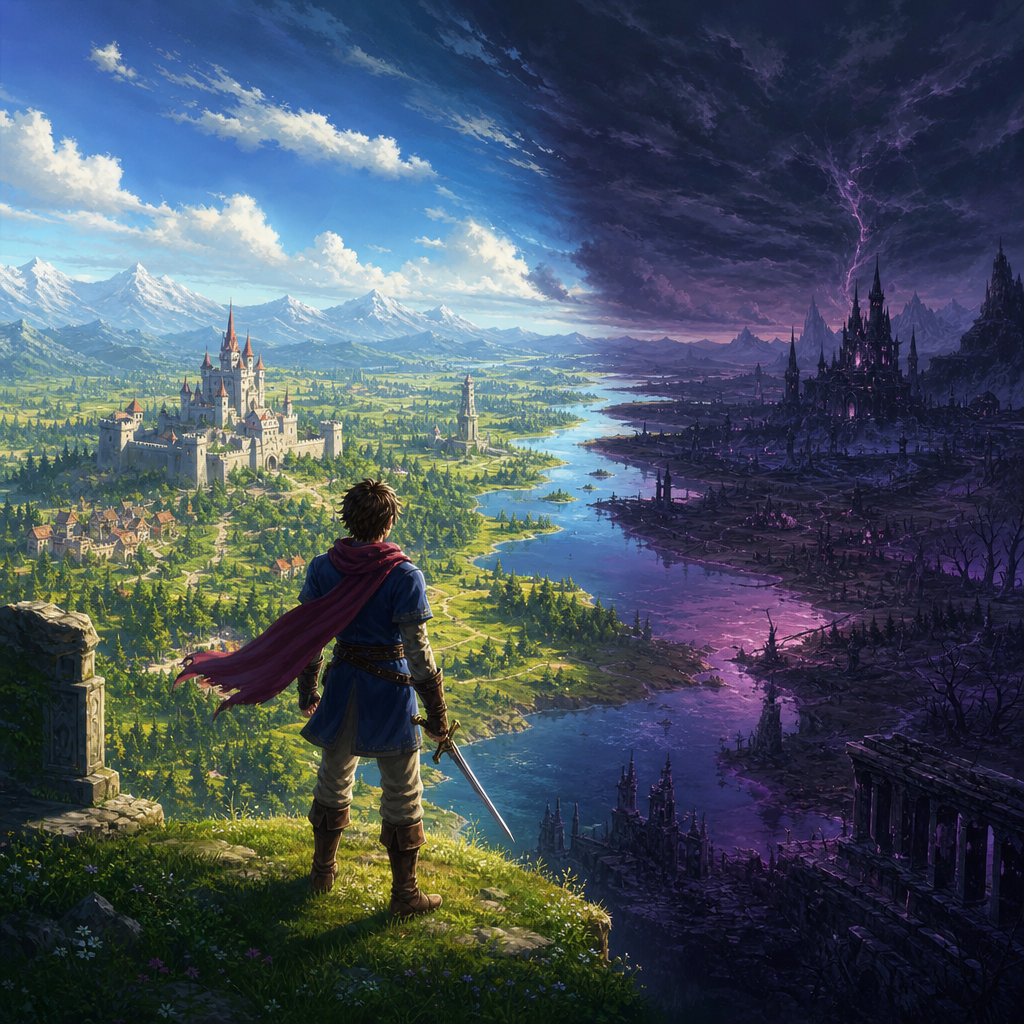
    Its greatest trick is structure. Hyrule is compact enough to learn, but layered enough to keep paying you back for memory. Early paths that seem decorative become meaningful later, and the Light World / Dark World split is still one of Nintendo’s smartest pieces of adventure design. It does not just double the map for bragging rights. It turns geography into a puzzle, teaching you to look at familiar spaces differently. That idea still feels elegant rather than gimmicky.

    The dungeons are just as important. They are concise, mechanically clean, and usually built around a memorable hook without overstaying it. You get the joy of mastering a fresh toy, then the game moves on before the trick wears thin. That pacing is a big part of why the adventure still feels so modern. Where some classics ask for patience because they came first, A Link to the Past mostly earns patience by being good.

    Combat is simple, but simplicity is part of the point. Link’s sword swings have real snap, enemies telegraph clearly, and the item set gives every fight or room a small tactical question. It is not a combat sandbox in the modern sense, yet it constantly keeps your hands busy. If Super Metroid is the moody side of SNES world design, A Link to the Past is the cleaner, brighter version that wants progress to feel adventurous instead of oppressive.

    Where the Age Shows

    It is not flawless. A few progression beats are still cryptic enough that first-time players may wonder whether they missed a clue or simply failed to think like a 1991 Nintendo designer. The inventory can also feel a touch fiddly once you are swapping tools more often, especially compared with later Zelda entries that streamline item use.

    There is also less character texture than modern players may expect if they are arriving from Ocarina of Time onward. A Link to the Past is stronger on atmosphere and movement than on deep conversations or cinematic payoff. That is not a dealbreaker, but it does shape the experience: this is an adventure machine first, a character drama second.

    Why It Still Matters in 2026

    A Link to the Past still matters because it nails the bit so many imitators overcomplicate: the pleasure of going somewhere, finding something, and understanding the world a little better than you did ten minutes ago. It trusts map design, enemy placement, and item logic to create momentum. That confidence is why it remains one of the easiest recommendations for anyone searching for the best SNES Zelda, the best place to start with 2D Zelda, or simply a retro game that still feels instantly readable.

    It also remains a reminder that adventure games do not need bloat to feel epic. Hyrule feels large because the design is dense, not because the playtime is padded. That economy still looks impressive next to plenty of newer games that confuse scale with significance.

    Verdict

    The Legend of Zelda: A Link to the Past is still an essential retro recommendation in 2026. It is elegant, readable, brilliantly paced, and full of design ideas that have aged into fundamentals rather than relics. A little old-school obscurity and some item-management fuss stop it feeling completely frictionless, but not nearly enough to dull the adventure.

    10 / 10. If you want the classic Zelda game that most cleanly explains why the series became a template for action-adventure design, this is still one of the first cartridges I would hand over.

    Where does A Link to the Past land for you now: still the best 2D Zelda, or has another entry taken the Master Sword off it?