Title Super Metroid
Developer Nintendo R&D1, Intelligent Systems
Publisher Nintendo
Year 1994
Platform focus SNES original release
Genre Action-adventure / Metroidvania
Score 10 / 10
Super Metroid has been called a masterpiece so often that the word can start to feel a bit useless. In 2026, the better question is more practical: if you are looking for the best retro Metroidvania to actually play rather than merely respect, does Nintendo’s 1994 SNES classic still earn your time? The short answer is yes. The longer answer is that it still feels like one of the smartest, moodiest, and most confident pieces of game design the medium produced in the 16-bit era.
What strikes me first, even now, is how little fat the game carries. The opening tells you enough to care, then quietly drops you into Zebes and trusts you to learn its language. Doors, suspicious walls, movement upgrades, map stations, save rooms: nearly everything teaches by placement and pressure instead of tutorial chatter. Like R-Type at its most cruelly deliberate, it turns tension into structure. Like Out Run at Sega’s most elegant, it survives because the feedback is clean enough that the design still reads instantly.
Why Super Metroid Still Feels Special
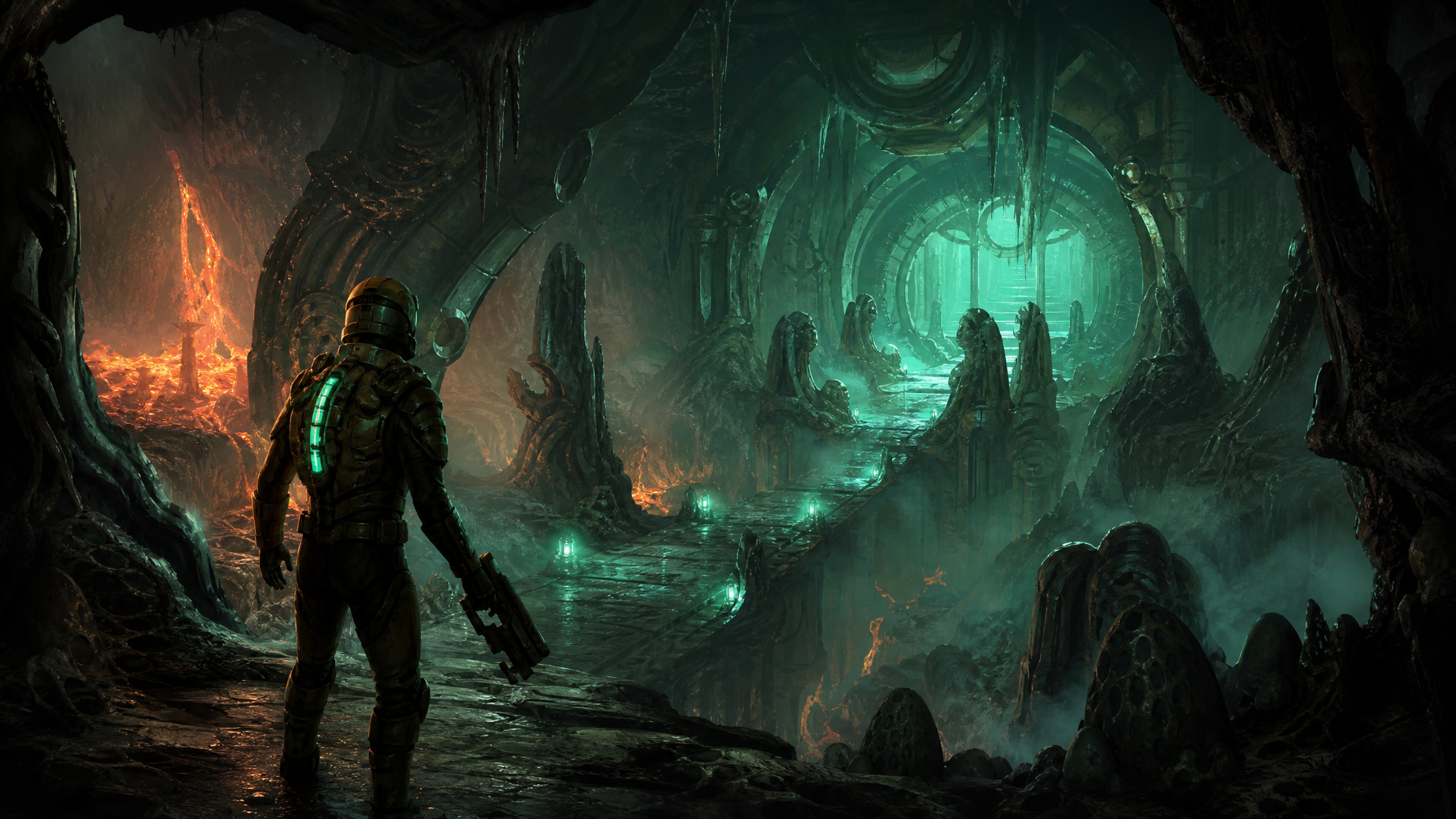
The obvious answer is atmosphere. Zebes does not just look good for 1994; it still feels cohesive in a way many newer games never manage. Each area has its own mood, colour logic, and rhythm, but the whole planet fits together as one believable hostile place. Music and environmental sound do enormous work here. The lonely hums, warning pulses, and sudden bursts of drama make exploration feel uneasy even when you technically know what you are doing.
Then there is the map design. Super Metroid is brilliant at letting you feel lost without actually abandoning you. It nudges rather than shoves. New abilities reframe old spaces, shortcuts become legible in hindsight, and backtracking usually feels like discovery rather than admin. That is the heart of the traffic angle here too: if someone searches for the best SNES exploration game or the retro classic that still explains why Metroidvanias work, this is the cleanest answer I can give.
Samus also controls with a reassuring sense of physical weight. She is not floaty in the careless way some older platform heroes can be; she is deliberate. Once wall jumping, bomb jumps, and the wider movement toolkit click, the game opens into something that feels almost improvisational. It rewards confidence without demanding speedrunner reflexes from ordinary players.
Where the Age Shows
It is not frictionless. Some hidden passages remain a little too dependent on bombing random surfaces unless you are in a patient, exploratory mood. The weapon-selection interface is also one of those reminders that early-1990s controller layouts were always negotiating with hardware limits. Cycling through missiles and special tools can feel clumsier than players raised on modern shoulder-button conventions may expect.
There is also a small but real adjustment period with the movement. Samus has momentum, and the game expects you to respect it. If you come in wanting the feather-light snap of a modern indie Metroidvania, the first hour can feel stiffer than nostalgia admits. That said, once the rhythm settles in, the weight becomes part of the drama rather than a flaw.
Why It Still Matters in 2026
Super Metroid still matters because it remains one of the clearest demonstrations that exploration design can carry emotion on its own. It does not need constant dialogue, giant quest logs, or map markers screaming for attention. The world itself does the talking. In a genre now crowded with descendants and imitators, there is still something almost shocking about how confidently this game leaves space for silence, uncertainty, and player curiosity.
It also remains one of the easiest retro recommendations for players who want more than museum-piece reverence. This is not just historically important; it is still gripping. The boss encounters are memorable, the world structure is still a design lesson, and the sense of escalation from vulnerable trespasser to unstoppable force remains deeply satisfying.
Verdict
Super Metroid is still one of the best games on the SNES and still one of the strongest answers to the question “what retro game absolutely holds up?” A few bits of hidden-path friction and old-school menu awkwardness stop it from feeling completely modern, but they do not come close to dulling its power.
10 / 10. If you want a retro exploration game that still feels atmospheric, intelligent, and worth recommending without caveats, Super Metroid remains the gold standard.
- Play tip: When the game seems to be nudging you toward a dead end, stop and study the room before assuming you are stuck. Zebes usually leaves clues.
- Play tip: Learn the wall jump early. You do not need it for a normal playthrough, but understanding the timing makes the whole movement model feel richer.
- Authority link: Wikipedia’s Super Metroid overview
- Authority link: MobyGames entry for Super Metroid
Does Super Metroid still sit at the top of your personal Metroidvania list, or has a newer favourite finally knocked it off the throne?
Leave a Reply