Tag: Metroidvania

  • Castlevania: Symphony of the Night Review — Is Konami’s 1997 PS1 Classic Still Worth Playing in 2026?

    Castlevania: Symphony of the Night Review — Is Konami’s 1997 PS1 Classic Still Worth Playing in 2026?

    Title Castlevania: Symphony of the Night
    Developer Konami Computer Entertainment Tokyo
    Publisher Konami
    Year 1997
    Platform focus PlayStation original release
    Genre Action RPG / Metroidvania
    Score 9 / 10

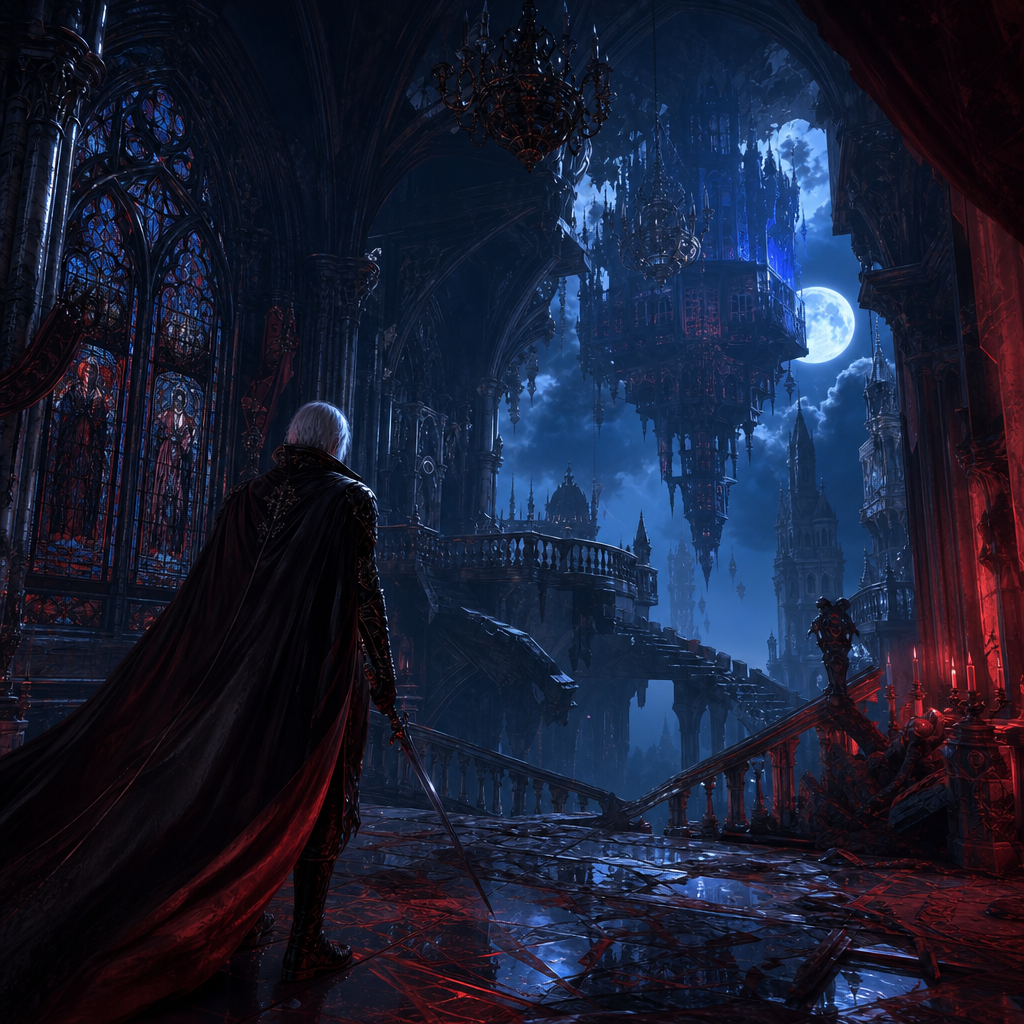
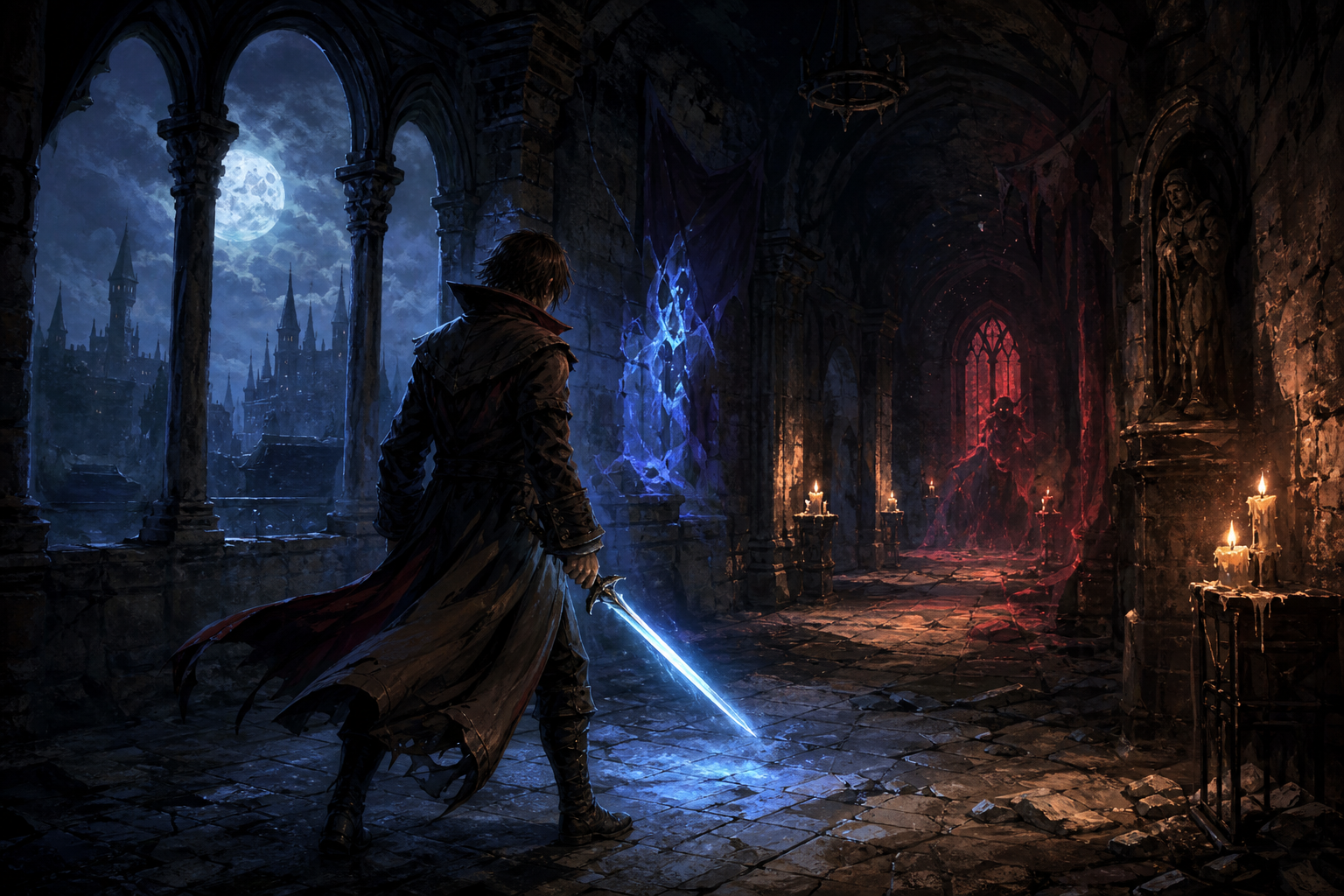
    Castlevania: Symphony of the Night still gets dragged into the same retro argument in 2026 for a reason: if you want the best PS1-era Metroidvania that does more than coast on reputation, is this still the one? I think the answer is yes, with one small caveat. Konami’s 1997 classic is not flawless, and a few of its rough edges have become easier to spot over time, but the blend of gothic atmosphere, exploratory map design, and absurdly satisfying power growth still lands with real force.

    What makes it survive is how quickly it understands its own fantasy. You are not inching through Dracula’s castle as a fragile underdog for very long. Symphony of the Night wants you to feel elegant, dangerous, and a little overpowered, then keeps feeding that feeling with new weapons, forms, secrets, and shortcuts. Where Super Metroid still feels like the moodiest and most disciplined side of the genre, Symphony of the Night is the flamboyant cousin that wants to hand you a better sword, a cooler cape, and a hidden room behind every suspicious wall. That difference is exactly why it still feels alive rather than merely important.

    Why Symphony of the Night Still Feels So Good

    The castle is the obvious headline. Even now, it remains one of the great interconnected spaces in games: readable enough to explore without constant frustration, but dense enough that progress still feels earned. Movement upgrades and transformations turn earlier dead ends into fresh invitations, and the map drip-feeds just enough certainty to keep curiosity ahead of irritation. If you are searching for the retro game that explains why people still use the word “Metroidvania” in the first place, this is one of the cleanest answers.

    Combat also has more texture than nostalgia sometimes admits. Alucard’s movement is fast, his attacks have a lovely crispness, and the equipment system gives the game an action-RPG rhythm that still feels generous without becoming mushy. One run might be built around elegant swordplay; another turns into shield tricks, spell experiments, and inventory tinkering. That flexibility is a big reason the game remains easy to recommend to players who bounce off stricter retro action design. In the same way Chrono Trigger is still a brilliant gateway into classic JRPGs, Symphony of the Night remains one of the friendliest doors into older exploration-heavy action games.

    Then there is the presentation. The pixel art is still gorgeous, the enemy variety still gives the castle personality, and Michiru Yamane’s soundtrack does an enormous amount of heavy lifting. It gives the whole game a strange confidence: elegant in one room, sinister in the next, occasionally theatrical enough to feel like the game is smirking at you. Plenty of PS1 games feel trapped by their era. Symphony of the Night mostly feels elevated by it.

    Where the Age Shows

    Not every old-school habit has aged gracefully. The balance is all over the place once you understand the systems, and some equipment can make large chunks of the game feel less like tense exploration and more like decorative housekeeping. That is fun in its own way, but it does mean the challenge curve can collapse earlier than modern players might expect.

    The famous mid-game turn also remains slightly awkward if you are playing blind. The game wants discovery, which I respect, but the route to its biggest reveal is still obscure enough that some players will either miss it or hit a guide faster than the game probably intends. There is also a bit of PlayStation-era menu fussiness in the inventory management. Nothing here ruins the experience, though it does stop the game feeling as frictionless as its legend suggests.

    Why It Still Matters in 2026

    Symphony of the Night still matters because it sells exploration as pleasure rather than homework. The castle keeps rewarding curiosity with meaningful toys, not just completion percentage. You feel stronger, smarter, and more stylish as you learn the place. That loop has shaped decades of successors, but plenty of them still struggle to match the generosity of this game’s pacing and personality.

    It also remains one of the clearest examples of retro design that feels immediately playable instead of academically admirable. You do not have to care about genre history to enjoy it. The history just explains why so many later games keep borrowing its bones.

    Verdict

    Castlevania: Symphony of the Night is still an easy recommendation in 2026. It is atmospheric, generous, stylish, and packed with the kind of exploratory momentum that keeps “one more room” turning into another hour. A wobbly difficulty curve and a few bits of old-school obscurity keep it from feeling completely untouchable, but they do not come close to knocking it off the shortlist of essential retro action games.

    9 / 10. If you want the best PS1-era Metroidvania that still feels rich, replayable, and genuinely fun rather than merely historic, this is still one of the first games I would hand you.

    Where does Symphony of the Night sit for you now: still the king of the castle, or has another Metroidvania finally stolen its cape?

  • Super Metroid Review — Is Nintendo’s 1994 SNES Masterpiece Still Worth Playing in 2026?

    Super Metroid Review — Is Nintendo’s 1994 SNES Masterpiece Still Worth Playing in 2026?

    Title Super Metroid
    Developer Nintendo R&D1, Intelligent Systems
    Publisher Nintendo
    Year 1994
    Platform focus SNES original release
    Genre Action-adventure / Metroidvania
    Score 10 / 10

    Super Metroid has been called a masterpiece so often that the word can start to feel a bit useless. In 2026, the better question is more practical: if you are looking for the best retro Metroidvania to actually play rather than merely respect, does Nintendo’s 1994 SNES classic still earn your time? The short answer is yes. The longer answer is that it still feels like one of the smartest, moodiest, and most confident pieces of game design the medium produced in the 16-bit era.

    What strikes me first, even now, is how little fat the game carries. The opening tells you enough to care, then quietly drops you into Zebes and trusts you to learn its language. Doors, suspicious walls, movement upgrades, map stations, save rooms: nearly everything teaches by placement and pressure instead of tutorial chatter. Like R-Type at its most cruelly deliberate, it turns tension into structure. Like Out Run at Sega’s most elegant, it survives because the feedback is clean enough that the design still reads instantly.

    Why Super Metroid Still Feels Special

    The obvious answer is atmosphere. Zebes does not just look good for 1994; it still feels cohesive in a way many newer games never manage. Each area has its own mood, colour logic, and rhythm, but the whole planet fits together as one believable hostile place. Music and environmental sound do enormous work here. The lonely hums, warning pulses, and sudden bursts of drama make exploration feel uneasy even when you technically know what you are doing.

    Then there is the map design. Super Metroid is brilliant at letting you feel lost without actually abandoning you. It nudges rather than shoves. New abilities reframe old spaces, shortcuts become legible in hindsight, and backtracking usually feels like discovery rather than admin. That is the heart of the traffic angle here too: if someone searches for the best SNES exploration game or the retro classic that still explains why Metroidvanias work, this is the cleanest answer I can give.

    Samus also controls with a reassuring sense of physical weight. She is not floaty in the careless way some older platform heroes can be; she is deliberate. Once wall jumping, bomb jumps, and the wider movement toolkit click, the game opens into something that feels almost improvisational. It rewards confidence without demanding speedrunner reflexes from ordinary players.

    Where the Age Shows

    It is not frictionless. Some hidden passages remain a little too dependent on bombing random surfaces unless you are in a patient, exploratory mood. The weapon-selection interface is also one of those reminders that early-1990s controller layouts were always negotiating with hardware limits. Cycling through missiles and special tools can feel clumsier than players raised on modern shoulder-button conventions may expect.

    There is also a small but real adjustment period with the movement. Samus has momentum, and the game expects you to respect it. If you come in wanting the feather-light snap of a modern indie Metroidvania, the first hour can feel stiffer than nostalgia admits. That said, once the rhythm settles in, the weight becomes part of the drama rather than a flaw.

    Why It Still Matters in 2026

    Super Metroid still matters because it remains one of the clearest demonstrations that exploration design can carry emotion on its own. It does not need constant dialogue, giant quest logs, or map markers screaming for attention. The world itself does the talking. In a genre now crowded with descendants and imitators, there is still something almost shocking about how confidently this game leaves space for silence, uncertainty, and player curiosity.

    It also remains one of the easiest retro recommendations for players who want more than museum-piece reverence. This is not just historically important; it is still gripping. The boss encounters are memorable, the world structure is still a design lesson, and the sense of escalation from vulnerable trespasser to unstoppable force remains deeply satisfying.

    Verdict

    Super Metroid is still one of the best games on the SNES and still one of the strongest answers to the question “what retro game absolutely holds up?” A few bits of hidden-path friction and old-school menu awkwardness stop it from feeling completely modern, but they do not come close to dulling its power.

    10 / 10. If you want a retro exploration game that still feels atmospheric, intelligent, and worth recommending without caveats, Super Metroid remains the gold standard.

    • Play tip: When the game seems to be nudging you toward a dead end, stop and study the room before assuming you are stuck. Zebes usually leaves clues.
    • Play tip: Learn the wall jump early. You do not need it for a normal playthrough, but understanding the timing makes the whole movement model feel richer.
    • Authority link: Wikipedia’s Super Metroid overview
    • Authority link: MobyGames entry for Super Metroid

    Does Super Metroid still sit at the top of your personal Metroidvania list, or has a newer favourite finally knocked it off the throne?