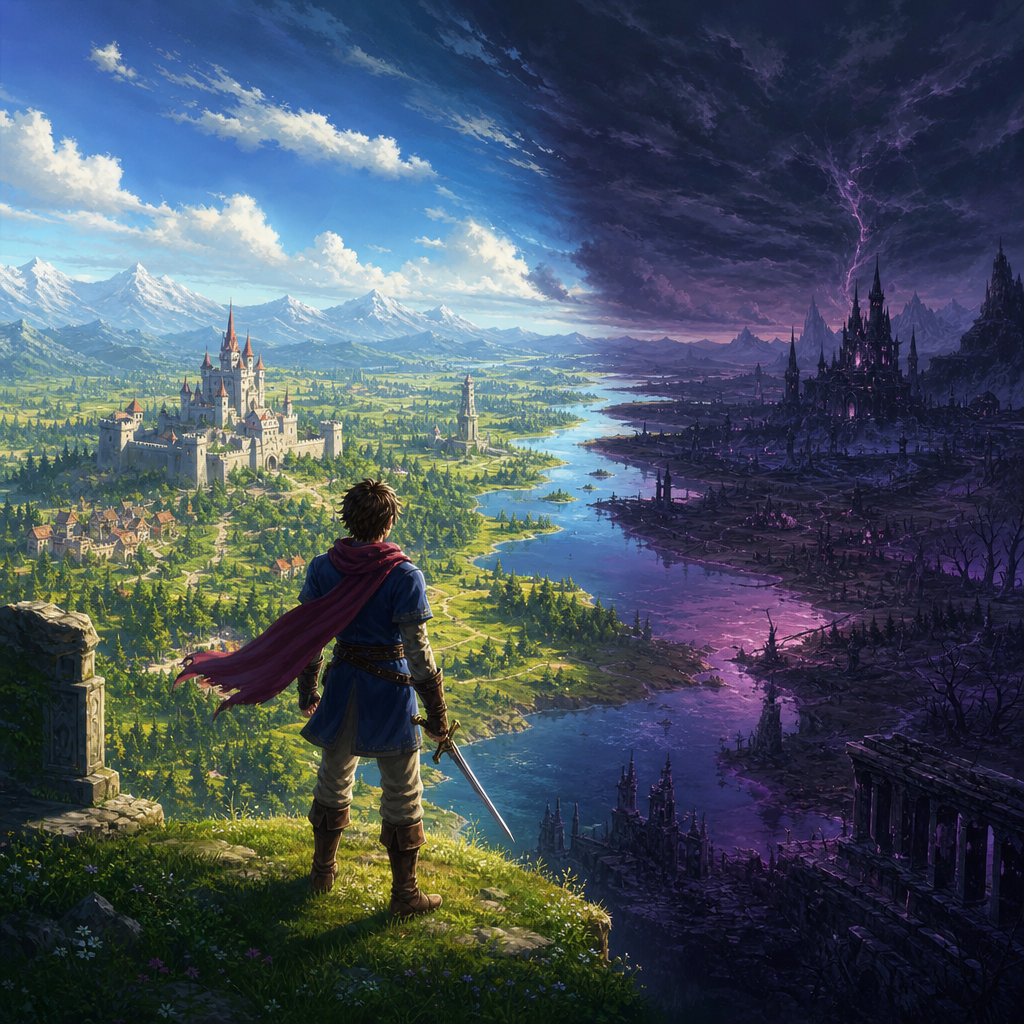
Nintendo did not waste its Zelda 40th anniversary moment on vague nostalgia. The headline announcement was the one most people were already hovering over the search bar for: The Legend of Zelda: Ocarina of Time launches on Switch 2 on 5 November 2026. After months of wondering whether Nintendo would treat this remake like a light facelift or a full prestige revival, the latest Direct finally gave players something more solid to work with.
If you followed our earlier Nintendo Direct September 2026 preview, this was the sort of platform-moving reveal Nintendo needed. And in a week already stuffed with showcase chatter after Sony’s State of Play September 2026 roundup, Nintendo found a very clean way to own the conversation: lean on one of the most beloved games ever made, then pile on enough extras to make the remake feel like an event instead of a checkbox.
What Nintendo actually confirmed
According to Nintendo’s official 40th anniversary announcement, this new version of Ocarina of Time does more than sharpen the old N64 edges. Nintendo says the Switch 2 release includes overhauled visuals, fully voiced cutscenes, expanded dialogue, symphonic orchestral music, improved camera and movement controls, smoother performance, faster loading, and a new “Threads of Time” progress feature to help players keep track of their adventure.
That last part matters more than it sounds. One of the reasons older action-adventure games can bounce modern players is not difficulty, but drift. Step away for a few days and you can forget what you were doing. A cleaner objective-tracking feature gives this remake a better shot at reaching curious newcomers instead of only feeding existing nostalgia.
Why the 5 November date matters
For Switch 2 owners, Nintendo has effectively planted its flag for the autumn run-in. A 5 November release puts Ocarina of Time right in the sweet spot where big first-party games stop being “something to watch” and become “something people buy hardware for”. That timing also keeps it close enough to the holiday rush to matter, without burying it inside the usual late-November traffic jam.
VGC’s recap of the reveal highlighted some of the practical changes shown in gameplay, including freer camera movement, a dedicated jump button, and a more explorable Hyrule Castle Town. Nintendo Life’s roundup also noted the bigger picture around the Direct: this was not just a remake date trailer, but a full anniversary push with merchandise, concerts, and hardware designed to keep Zelda in the headlines for months.
The remake is only part of the strategy
Nintendo also confirmed a Zelda 40th Anniversary Edition Switch 2 console, matching Pro Controller options, new Young Link and Young Zelda amiibo for 2027, and an international concert tour. In other words, this is one of those classic Nintendo moves where a game announcement is only the front door. Behind it sits a whole stack of collector bait, fan-service extras, and cross-media momentum.
That broader package is why this Direct feels more meaningful than a simple release-date drop. Nintendo is turning Ocarina of Time into a season-long moment. For longtime fans, that is a powerful nostalgia lever. For newer players, it tells them this is not just another old classic being reissued because the calendar said so.
What Switch 2 players should watch next
The real question now is pricing, hands-on impressions, and whether Nintendo can make this remake feel modern without sanding away too much of its original identity. The strongest early signs are the quality-of-life upgrades and the confidence of giving the game such a prime release slot. If the final package lands, this could become one of the defining Switch 2 releases of the year rather than a polite history lesson.
And honestly, that is the smart angle for Nintendo. Nostalgia gets people to click, but usability, presentation, and timing are what turn curiosity into sales.
Will Nintendo’s Ocarina of Time remake be your big Switch 2 game this autumn, or are you still waiting to see whether the changes justify the hype?