Tag: JRPG

  • Phantasy Star IV Review — Is Sega’s 1993 Mega Drive RPG Still Worth Playing in 2026?

    Phantasy Star IV Review — Is Sega’s 1993 Mega Drive RPG Still Worth Playing in 2026?

    Title Phantasy Star IV: The End of the Millennium
    Developer Sega
    Publisher Sega
    Year 1993
    Platform focus Sega Mega Drive / Genesis original release
    Genre JRPG
    Score 9 / 10

    Phantasy Star IV still sits in a very useful retro-gaming search lane in 2026: what if you want a 16-bit RPG that feels big, fast, and story-driven, but you have already played the usual SNES heavy hitters? Sega’s 1993 Mega Drive swansong is a brilliant answer. It has the scale people want from a classic JRPG, but it moves with an efficiency that still feels refreshing now. The pacing is sharp, the comic-panel storytelling gives it its own flavour, and the mix of desert sci-fi and old-school melodrama remains hugely appealing.

    What strikes me most on a replay is how little dead weight it carries. Where some revered 16-bit RPGs can feel a bit padded on return visits, Phantasy Star IV keeps nudging you forward. Towns are readable, dungeons are rarely overlong, and the battle system has just enough sparkle in its combo techniques to stop routine encounters from blending together. If EarthBound still wins on personality and oddball charm, and Final Fantasy VI still feels grander and more theatrical, Phantasy Star IV arguably does the best job of respecting your time.

    Why Phantasy Star IV Still Feels Special

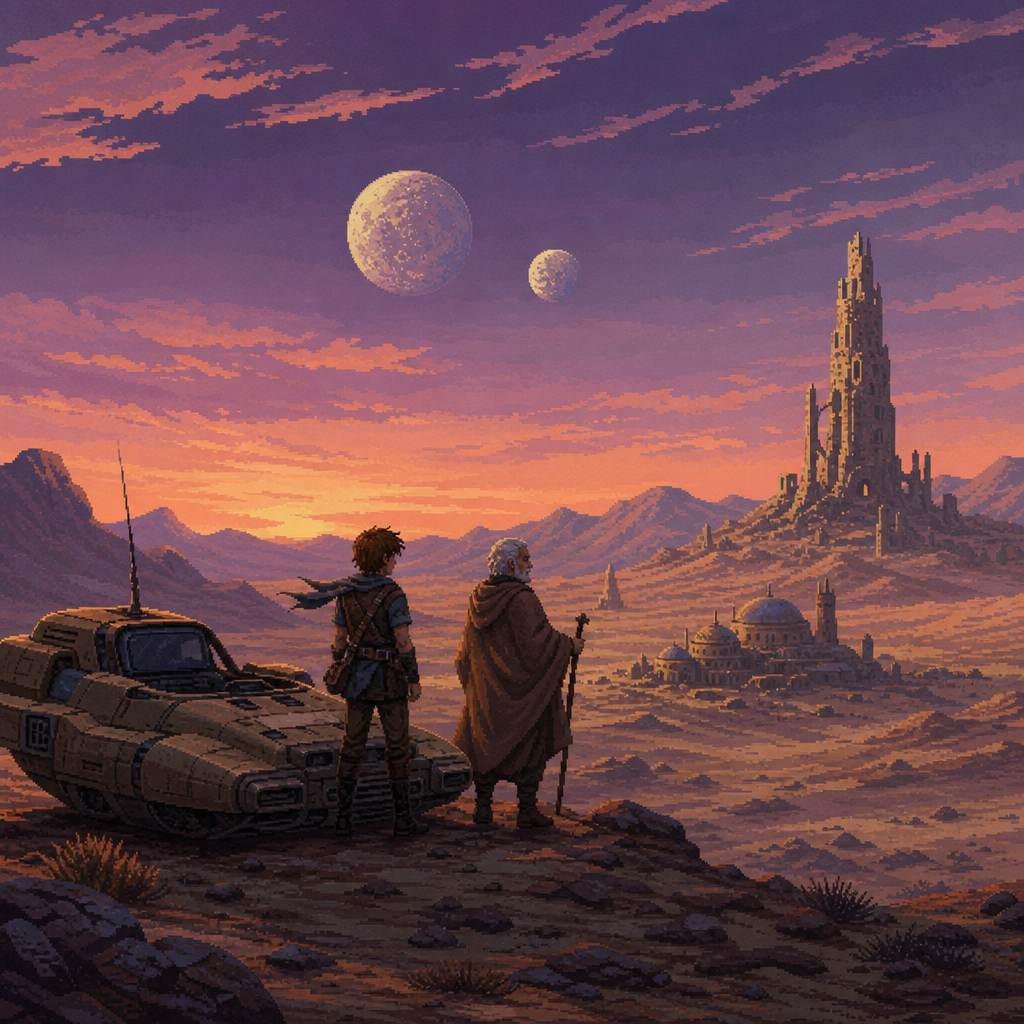
    The setting does a lot of the heavy lifting. Plenty of 16-bit RPGs are easy to admire, but fewer feel this distinct at a glance. Motavia’s dusty settlements, cracked roads, ancient facilities, and uneasy blend of fantasy and science fiction give the game an atmosphere all its own. It is not just another swords-and-castles adventure, and that difference still matters. Even now, it feels like a world with history rather than a genre template.

    The presentation helps too. The manga-style story panels were a smart idea then and are still a smart idea now: expressive enough to sell key scenes, concise enough to keep the narrative moving. That same discipline runs through the whole game. Traversal opens up at a satisfying clip, party members arrive without endless delay, and the combination-technique system gives battles a rewarding layer of experimentation. It does not reach the time-travel ambition of Chrono Trigger, but it is close to that game in one important way: both understand that momentum is part of what makes an RPG memorable.

    Where the Age Shows

    Not everything has aged gracefully. Menu work can still feel a little dry, dungeon navigation is occasionally fiddly, and the random encounters can bunch up just enough to irritate when you are trying to follow the story. Some character moments also move quickly because the game is so determined not to stall. That briskness is usually a strength, but it can make a few emotional beats land a touch lighter than they probably should.

    If you come in expecting modern convenience, you will also notice the usual era friction: inventory management, limited feedback on some systems, and a need to pay attention rather than coast. None of that breaks the game, but it does remind you that this is an early-1990s RPG trying to do a lot on 16-bit hardware.

    Why It Still Matters in 2026

    Phantasy Star IV still matters because it solves a problem that retro players keep having. People want a classic JRPG that feels substantial without demanding endless patience, and this is one of the cleanest answers. It has proper adventure, memorable twists, strong music, and enough mechanical texture to stay engaging, but it does not drown those strengths in grind.

    It also deserves more love in the “best 16-bit RPG” argument. It may not dominate the conversation the way certain Nintendo and Square classics do, yet it absolutely belongs in it. If you are building a shortlist of retro RPGs that still play well for newcomers rather than just nostalgic veterans, Phantasy Star IV has to be near the top.

    Verdict

    Phantasy Star IV is still one of the most replayable JRPGs of the 16-bit era: stylish, focused, and unusually good at keeping its story and systems moving together. A little interface friction and a few thinly sketched beats stop it short of absolute perfection, but the world, pacing, and battle ideas have aged beautifully.

    9 / 10. If you want a retro RPG that feels faster and leaner than many of its peers without losing scope or atmosphere, Phantasy Star IV is still very easy to recommend in 2026.

    • Play tip: Experiment with combination techniques early instead of hoarding TP; they are one of the game’s best ideas, not an emergency-only gimmick.
    • Play tip: Talk to townsfolk after major story turns. The script is concise, but it often adds useful worldbuilding in small bursts.
    • Authority link: Wikipedia overview of Phantasy Star IV
    • Authority link: MobyGames entry for Phantasy Star IV

    Does Phantasy Star IV belong in your top tier of 16-bit RPGs, or do you think another Mega Drive or SNES favourite has aged better?

  • EarthBound Review — Is Nintendo’s 1994 SNES Cult Classic Still Worth Playing in 2026?

    EarthBound Review — Is Nintendo’s 1994 SNES Cult Classic Still Worth Playing in 2026?

    Title EarthBound

    Developer Ape Inc., HAL Laboratory

    Publisher Nintendo

    Year 1994

    Platform focus SNES original release

    Genre JRPG / turn-based role-playing game

    Score 9 / 10

    EarthBound still answers one very useful evergreen retro question in 2026: if you want an older RPG with real personality rather than pure museum-piece importance, is this odd little SNES favourite actually worth your time? I think it absolutely is. Nintendo’s 1994 cult classic still feels unlike almost anything around it — funny without becoming smug, sincere without becoming mushy, and weird in ways that feel deliberate rather than random.

    What keeps bringing me back is how confidently EarthBound refuses standard fantasy-RPG wallpaper. Instead of castles, crystals, and solemn prophecy sludge, you get suburbs, department stores, roadside diners, creepy little towns, and enemies that look like the kind of fever-dream nonsense most games would cut in pre-production. That freshness matters. Even alongside heavyweights like Chrono Trigger and Final Fantasy VI, EarthBound still feels distinct because its tone is the system. The comedy, the melancholy, the Americana pastiche, and the quiet unease all feed into why people still search for it now.

    Why EarthBound Still Feels Special

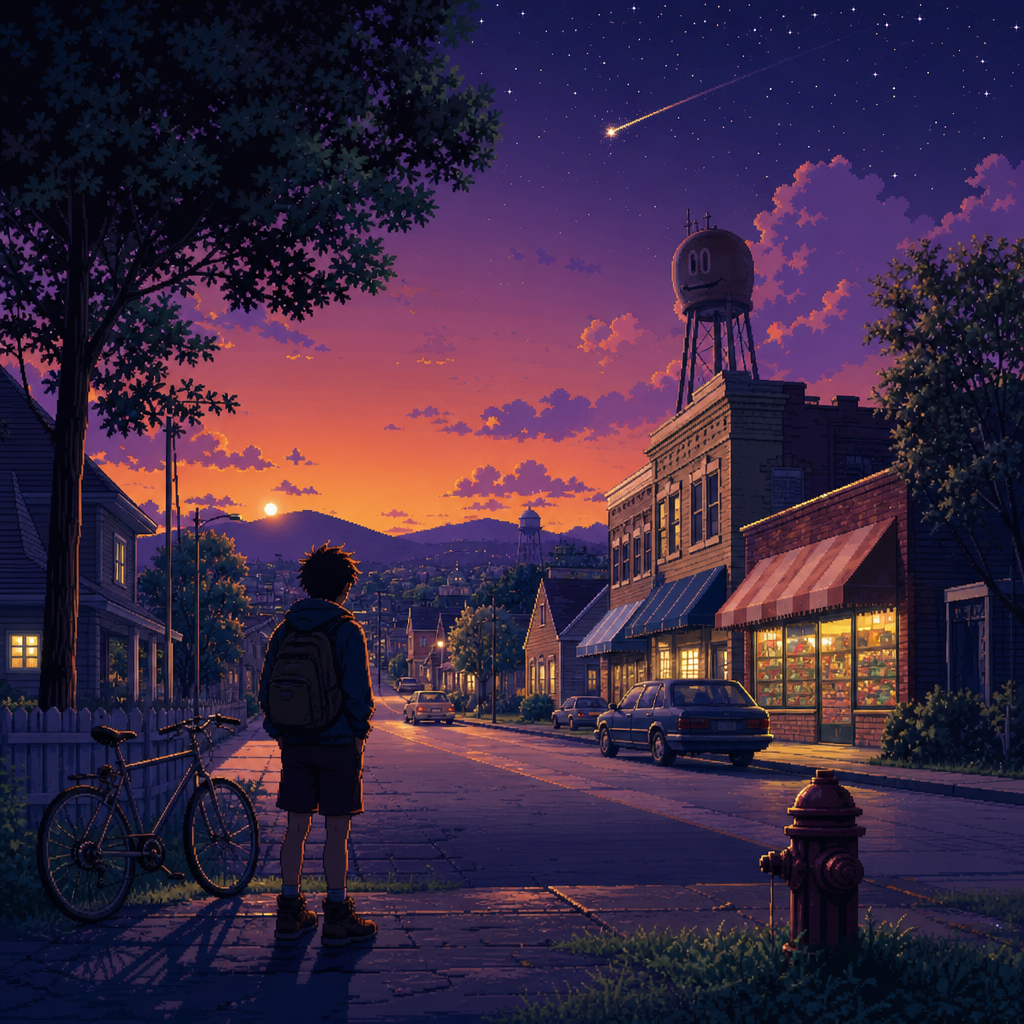
    The biggest strength is voice. EarthBound has one of the clearest personalities of the 16-bit era, and it does not need a thousand cutscenes to get there. A short conversation with a strange NPC, an item description, or a bizarre enemy sprite often tells you more about the world than a page of lore would in a more self-important RPG. The modern setting helps too. Telephone save points, cash machines, bicycles, shopping centres, and sleepy neighbourhoods make the adventure feel playful and specific rather than generically “epic.”

    I also think the battle flow has aged better than people sometimes admit. Enemies appear on the field, weaker threats can auto-resolve, and the rolling HP meter gives fights a lovely sense of momentum once you understand it. EarthBound is not as brisk or perfectly tuned as Chrono Trigger, but it is much less archaic than its reputation suggests. The soundtrack helps enormously as well: playful one minute, unsettling the next, and always just a little off-centre in a way that suits the game beautifully.

    Then there is the emotional trick EarthBound pulls. Beneath the jokes, it feels quietly lonely in a way many brighter retro RPGs do not. Towns can feel warm and uncanny at the same time. Dungeons often feel more uncomfortable than heroic. By the final stretch, the game earns a strange sincerity that still lands because it was never trying too hard to look important. It sneaks up on you.

    Where the Age Shows

    It is not frictionless in 2026. The inventory management is still a hassle, especially early on when every character seems to be carrying too much rubbish and not enough actual convenience. The combat can also feel slightly grindier than the game’s best defenders sometimes admit, particularly if you are coming in from more elegant SNES RPGs or modern remasters that sand away old pacing issues.

    There is also a fair argument that EarthBound’s charm does some heavy lifting for systems that are merely good rather than exceptional. The dungeons are memorable, but they are not always mechanically brilliant. The party members are lovable, yet they are sketched with more warmth than complexity. None of that kills the recommendation, but it does explain why some players admire EarthBound more than they love playing every minute of it.

    Why It Still Matters in 2026

    EarthBound still matters because it proves a retro RPG can age well through identity, not just polish. Plenty of old classics remain respectable. Far fewer still feel personal. EarthBound’s influence is all over later indie RPGs and offbeat narrative games, but the original still has its own atmosphere: stranger, sadder, and funnier than most imitators. If you are searching for the best quirky SNES RPG, one of Nintendo’s most distinctive cult classics, or simply an old game that still feels human under the nostalgia fog, this remains an easy recommendation.

    It also benefits from being easier to contextualise now than it was in the 1990s. Modern players are much more comfortable with tonal weirdness, genre playfulness, and games that mix comedy with discomfort. EarthBound looked out of step once. In 2026, it mostly looks ahead of its time.

    Verdict

    EarthBound is still one of the most distinctive RPGs on the SNES: funny, eerie, warm, and just awkward enough to feel memorable instead of polished into blandness. Some inventory friction and a little pacing drag keep it from feeling as immediately universal as the very best 16-bit RPGs, but its personality is still powerful enough to carry the whole trip.

    9 / 10. If you want a retro RPG that feels genuinely different rather than merely historically important, EarthBound is still one of the best cult-classic recommendations you can make.

    • Play tip: Use the rolling HP meter aggressively. If a fight goes wrong, quick decisions can save you before the numbers finish ticking down.
    • Play tip: Do not hoard every item. EarthBound gets much less fiddly once you accept that not every inventory slot needs to become a junk drawer.
    • Authority link: Wikipedia overview of EarthBound
    • Authority link: Nintendo Switch Online EarthBound page

    When you go back to EarthBound now, does it still feel wonderfully strange, or do its rougher old-school edges finally get in the way for you?

  • Final Fantasy VI Review — Is Square’s 1994 SNES RPG Still Worth Playing in 2026?

    Final Fantasy VI Review — Is Square’s 1994 SNES RPG Still Worth Playing in 2026?

    Title Final Fantasy VI
    Developer Square
    Publisher Square
    Year 1994
    Platform focus SNES original release
    Genre JRPG
    Score 10 / 10

    Final Fantasy VI still sits near the top of one extremely evergreen retro search in 2026: what is the best SNES RPG to actually play, not just politely respect from a distance? I think Square’s 1994 heavyweight still has a serious claim. Plenty of beloved old role-playing games survive because they were important. Final Fantasy VI survives because it is still emotionally sharp, mechanically readable, and far less bloated than its legend can make it sound.

    It also helps that the game meets modern players halfway faster than you might expect. The opening throws you into conflict immediately, the world feels specific without drowning you in lore dumps, and the cast arrives with clean, memorable hooks. In the same way Chrono Trigger still feels startlingly brisk for a revered SNES giant, Final Fantasy VI understands pacing better than plenty of newer RPGs that learned from it.

    Why Final Fantasy VI Still Works

    The obvious headline is the ensemble cast. Terra, Locke, Celes, Edgar, Sabin, Cyan, Shadow and the rest are not all equally deep, but the game gives them distinct silhouettes, rhythms, and emotional jobs. That matters because Final Fantasy VI is at its best when it feels like a road movie with too many broken people in the same carriage. Even now, the cast sells the sense that the world is bigger than one chosen hero and one neat destiny.

    Then there is the structure. The first half moves with remarkable confidence, hopping between towns, set-pieces, and personal detours without losing the thread. The second-half shift still lands because it is not just a plot twist; it changes the mood of the whole adventure. The world suddenly feels lonelier, stranger, and more player-driven. If A Link to the Past shows how elegant SNES adventure design could be, Final Fantasy VI is the more operatic side of the same era: bigger feelings, bigger spectacle, and just enough freedom to make exploration feel personal.

    The battle system has aged better than some turn-based peers too. The Active Time Battle flow keeps fights lively, Espers give character growth enough flexibility to invite experimentation, and the game is smart about delivering memorable abilities before the system gets stale. Nobuo Uematsu’s soundtrack does a huge amount of lifting here as well. It is not nostalgia talking: the music still carries scenes with a confidence many fully orchestrated modern RPGs would envy.

    Where the Age Shows

    It is not frictionless. Random encounters can still feel over-frequent in stretches where you are trying to navigate rather than grind, and the interface carries a few of those old JRPG habits that assume you will happily dig through menus forever. The localisation is also a reminder that 1990s script constraints were real. The personality survives, but some scenes hit harder in concept than in exact line-by-line delivery.

    Character balance is another small wrinkle. The huge roster is exciting, yet it does mean some party members feel essential while others feel more like luxury picks. Final Fantasy VI usually gets away with that because the world and pacing stay so strong, but it is one of the few places where the game’s scale occasionally works against its precision.

    Why It Still Matters in 2026

    Final Fantasy VI still matters because it captures something a lot of prestige RPGs lose: scale without sludge. It feels grand, but rarely padded. Emotional, but not self-important. Mechanical, but not exhausting. If you are searching for the best entry point to classic Final Fantasy, one of the best 16-bit RPGs ever made, or simply an old game that still earns its reputation when the nostalgia fog clears, this remains one of the easiest recommendations on the shelf.

    It also stands as a reminder that 16-bit storytelling did not need voice acting or enormous cinematics to feel theatrical. A few sprites, a gorgeous soundtrack, and some ruthlessly well-judged scene direction were enough. That craft still looks impressive in 2026.

    Verdict

    Final Fantasy VI is still an essential retro RPG in 2026: rich without being baggy, emotional without becoming embarrassing, and packed with moments that explain exactly why the SNES era still inspires so many modern developers. A little menu friction and some random-encounter fatigue stop it being completely painless, but not nearly enough to blunt the magic.

    10 / 10. If you want the SNES RPG that most convincingly balances big spectacle, strong pacing, and genuine heart, Final Fantasy VI is still one of the first cartridges I would point you toward.

    Where does Final Fantasy VI land for you now: still Square’s finest 16-bit RPG, or has another classic stolen that crown?

  • Chrono Trigger Review — Is Square’s 1995 SNES RPG Still Worth Playing in 2026?

    Chrono Trigger Review — Is Square’s 1995 SNES RPG Still Worth Playing in 2026?

    Title Chrono Trigger
    Developer Square
    Publisher Square
    Year 1995
    Platform focus SNES original release
    Genre JRPG / turn-based role-playing game
    Score 10 / 10

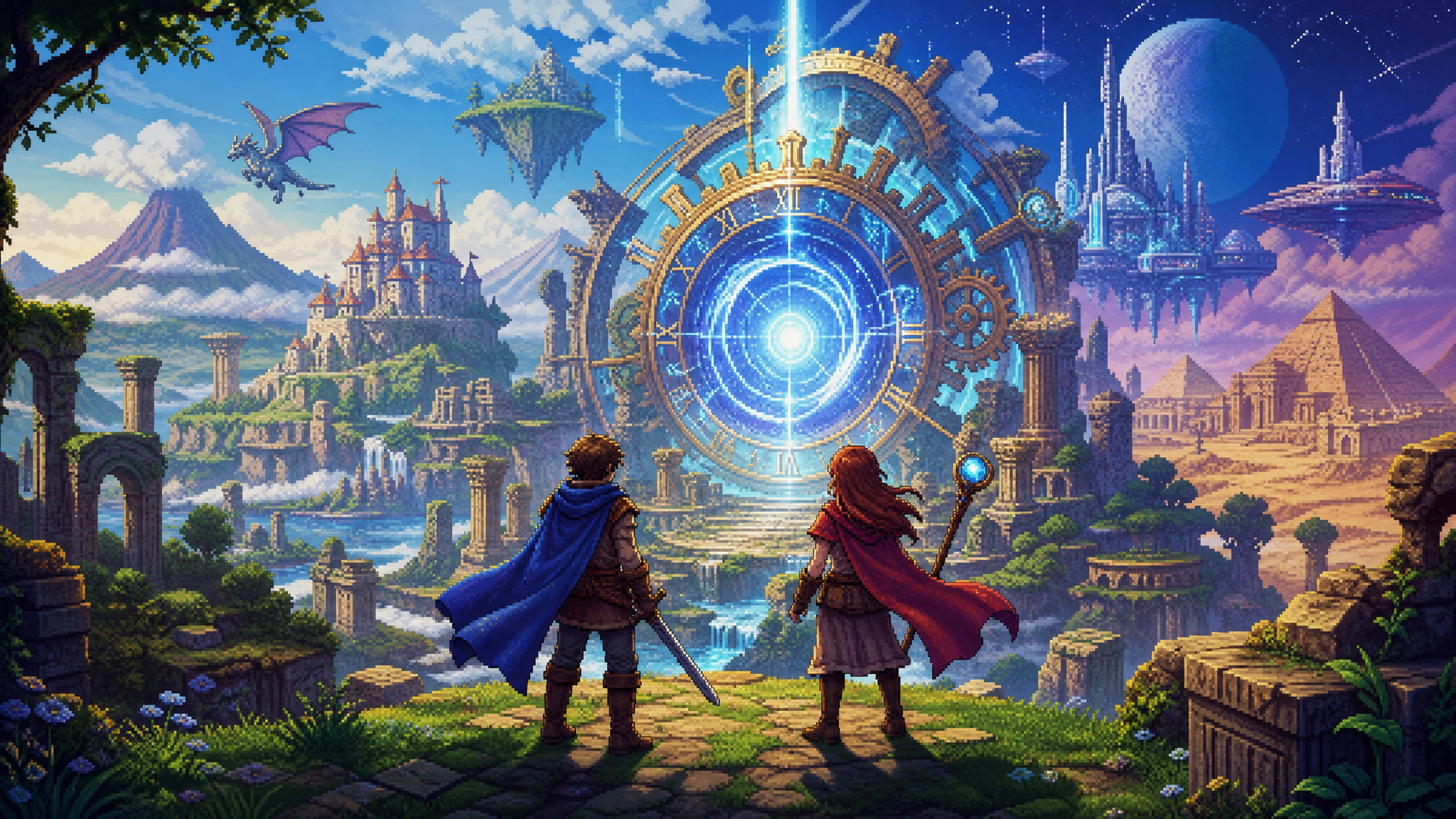
    Chrono Trigger still answers one of the biggest evergreen retro questions in 2026 with almost annoying confidence: yes, this 1995 SNES RPG is absolutely still worth playing. More than that, it is still one of the cleanest starting points for anyone curious about classic Japanese role-playing games. Square’s time-travel adventure has the historical reputation, sure, but the more impressive part is how little “historical importance” work it asks the player to do. This is not homework. It still feels lively, readable, and surprisingly brisk.

    What grabs me first every time is the absence of drag. A lot of revered 16-bit RPGs need hours before they properly wake up. Chrono Trigger gets moving almost immediately, then keeps finding smart ways to stay in motion. Battles happen right on the field instead of through constant screen-swapping interruptions, party members arrive with distinct personalities instead of pure archetype fog, and the time-travel structure keeps the world feeling curious rather than bloated. Like Super Metroid at its most elegantly confident, it trusts the player to pay attention without drowning them in clutter. And unlike some louder 16-bit showpieces such as Gunstar Heroes, its energy comes from rhythm and craft rather than sheer sensory assault.

    Why Chrono Trigger Still Feels So Modern

    The obvious answer is pacing. Chrono Trigger respects your time in a way a lot of RPGs, old and new, frankly do not. Towns are compact, dungeons are memorable without becoming chores, and the story keeps nudging you forward with new eras, new stakes, and new combinations of characters. Even when you are technically grinding, it rarely feels like the game has turned into admin. That makes it incredibly easy to recommend to people searching for “best SNES RPG to play first” or “does Chrono Trigger still hold up?”

    The combat helps too. Square’s Active Time Battle system is not unique on its own, but the way Chrono Trigger uses positioning and combination Techs still feels clever. Enemies bunch together, spread out, or line up in ways that make your attacks feel spatial instead of automatic. Double and Triple Techs give the party genuine chemistry; they are not just stat sticks standing in formation. The result is a turn-based system with real momentum, one that keeps small fights fast and bigger encounters satisfying.

    I also love how warm the whole thing feels. The art has Akira Toriyama’s unmistakable elasticity, the soundtrack is full of melodies that stick without nagging, and the cast is charming enough that the optional character side quests land emotionally instead of mechanically. The game’s famous multiple endings and New Game Plus are not just historical trivia either. They genuinely reinforce the sense that this is a world designed for revisiting, not just finishing once and shelving forever.

    Where the Age Shows

    It is not flawless. Some of the dialogue is simpler than modern players may expect, especially if they are coming in from contemporary RPGs that lean harder on long-form character drama. A few late-game systems can also feel lightly explained by current standards, and the menu flow still carries a bit of 1990s stiffness. If you want dense tactical customisation or morally grey novel-length writing, Chrono Trigger is playing a different game.

    There is also an argument that its reputation can oversell its emotional heaviness. This is not the bleakest or most psychologically complex JRPG ever made. Its strength is elegance, not maximalism. For me, that is a huge part of why it lasts. But players expecting relentless depth in every scene may find it more graceful than devastating.

    Why It Still Matters in 2026

    Chrono Trigger still matters because it solves problems the genre keeps reintroducing. It proves an RPG can be broad without feeling padded, emotional without becoming self-important, and mechanically approachable without turning brainless. In 2026, when players are still asking which retro RPGs are genuinely worth the time investment, this remains one of the safest and strongest answers.

    It also feels like a reminder that polish is timeless. So many beloved older games survive because we admire them. Chrono Trigger survives because it is still easy to enjoy right now. That is a higher bar. Plenty of classics deserve respect; fewer still feel this welcoming, this tightly built, and this eager to delight.

    Verdict

    Chrono Trigger remains one of the finest RPGs on the SNES: fast, generous, imaginative, and still startlingly modern in how efficiently it delivers wonder. A little old-school menu stiffness is about the worst I can say about it.

    10 / 10. If you want a retro JRPG that still feels bright, sharp, and beautifully playable in 2026, Chrono Trigger is an essential recommendation.

    • Play tip: Rotate party members more than you think. The Double and Triple Tech combinations are a huge part of the game’s charm, and it is easy to miss the best ones if you stick to one comfort team.
    • Play tip: Do the late-game character side quests before rushing the finale. They add some of the game’s best emotional payoff and help the final stretch feel complete.
    • Authority link: Wikipedia overview for Chrono Trigger
    • Authority link: Steam page for Chrono Trigger

    Where does Chrono Trigger land for you: untouchable SNES top tier, or a classic you respect more than adore?