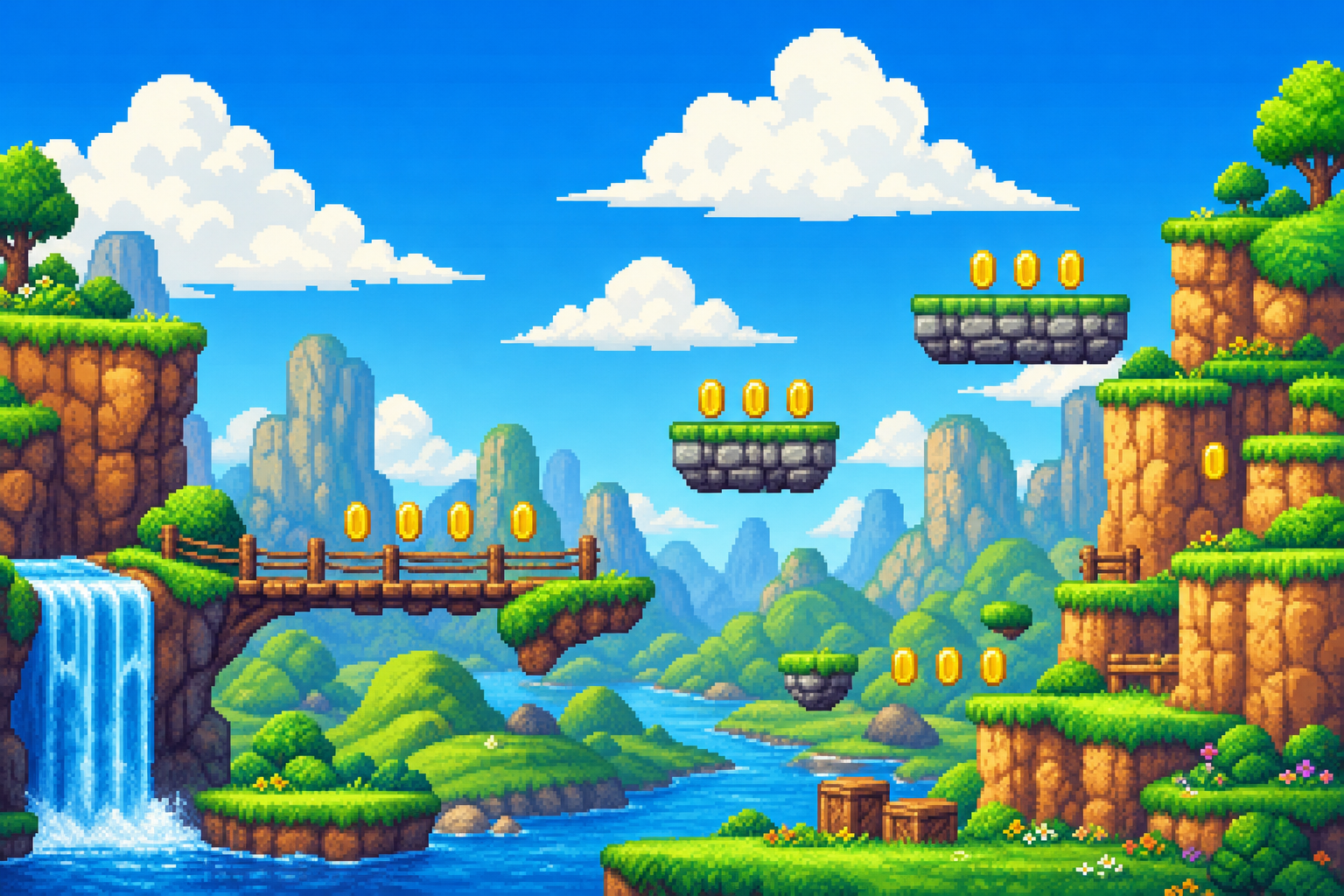
Title Super Mario World
Developer Nintendo EAD
Publisher Nintendo
Year 1990
Platform focus SNES original release
Genre Platformer
Score 10 / 10
Super Mario World still gets hit with one very practical retro question in 2026: if you want the best 2D Mario game to actually play today rather than simply respect from a distance, is Nintendo’s 1990 SNES classic still the answer? I think it probably is. Not because it is the hardest, strangest, or most sentimental entry in the series, but because it remains one of the cleanest examples of how to make movement, level design, and discovery feel joyful without wasting a second.
What keeps it alive is how effortlessly readable it still is. Within minutes, the game teaches you how it thinks: how a jump should feel, how secrets are hinted at, how momentum can save you or betray you, and how the world map quietly turns a straightforward platformer into a miniature adventure. Where Sonic the Hedgehog 2 still wins on pure speed and attitude, Super Mario World feels more precise, more generous, and more endlessly replayable. And where A Link to the Past shows how strong the SNES was at elegant world design, this is the platforming equivalent: a game that makes craft look effortless.
Why Super Mario World Still Feels So Good
The obvious headline is movement. Mario has enough weight to make every jump count, but never so much that he feels stiff. Running, spinning, bouncing, flying, and recovering from small mistakes all click together with an ease that modern platformers still chase. The cape is the masterstroke. It gives the game an extra layer of expression, turning ordinary levels into spaces you can merely survive, confidently dominate, or practically dance through once the rhythm settles in.
The level design is just as sharp. Nearly every stage introduces one idea, pushes it far enough to stay memorable, then gets out before the gimmick sours. That discipline is why the game still works for first-timers, lapsed Nintendo fans, and people searching for the best SNES platformer in 2026. It is constantly playful without ever feeling messy. Ghost Houses, fortress stages, secret exits, and the branching overworld all keep feeding the sense that there is always one more clever detour worth checking.
Yoshi deserves some credit too, even beyond the nostalgia. He is not just a mascot flourish; he changes how you read levels, how safely you approach hazards, and how much room the game gives you to improvise. That small increase in forgiveness is part of why Super Mario World remains such an easy recommendation. It is welcoming without becoming bland.
Where the Age Shows
For all its elegance, it is not completely frictionless. Some secret exits are cryptic enough that modern players may suspect they missed a rule rather than a clue. The cape, brilliant as it is, can also flatten parts of the challenge once you fully understand it. A few later stages become easier to bypass than to master, which is fun but does slightly soften the difficulty curve.
The other thing time reveals is that the boss roster is not the game’s strongest asset. The core stage design is so inventive that several castle encounters feel surprisingly slight beside it. They are not bad, just less memorable than the journey between them.
Why It Still Matters in 2026
Super Mario World still matters because it shows how timeless platforming can be when the fundamentals are this polished. It does not need elaborate cinematics, upgrade trees, or a mountain of collectibles to keep you engaged. It trusts readable spaces, superb controls, and a steady stream of tiny surprises. That confidence makes it feel fresh long after many technically newer games start to seem cluttered.
It is also still one of the best answers to an evergreen search query: what retro game can you hand to almost anyone and feel confident it will click? Speedrunners, kids, older players returning to the SNES, and curious newcomers all get something slightly different from it, but the design meets them cleanly every time.
Verdict
Super Mario World is still one of the best platformers ever made and still one of the safest retro recommendations you can give in 2026. A few lightweight boss fights and some occasionally obscure secrets stop it from feeling completely perfect in a modern sense, but its movement, structure, and sheer generosity remain extraordinary.
10 / 10. If you want the best 2D Mario game that still feels bright, playable, and almost impossibly well-built decades later, Super Mario World still earns its crown.
- Play tip: If a level seems too straightforward, look for alternate routes above the obvious path. The game loves rewarding curiosity.
- Play tip: Spend time learning controlled cape flight rather than treating it like a panic button. It turns good runs into great ones.
- Authority link: Wikipedia overview of Super Mario World
- Authority link: MobyGames entry for Super Mario World
Does Super Mario World still top your 2D Mario ranking, or has another side-scrolling favourite stolen that spot over the years?
Leave a Reply