Tag: Platform Games

  • Donkey Kong Country 2 Review — Is Rare’s 1995 SNES Classic Still Worth Playing in 2026?

    Donkey Kong Country 2 Review — Is Rare’s 1995 SNES Classic Still Worth Playing in 2026?

    Title Donkey Kong Country 2: Diddy’s Kong Quest
    Developer Rare
    Publisher Nintendo
    Year 1995
    Platform focus SNES original release
    Genre Platformer
    Score 9 / 10

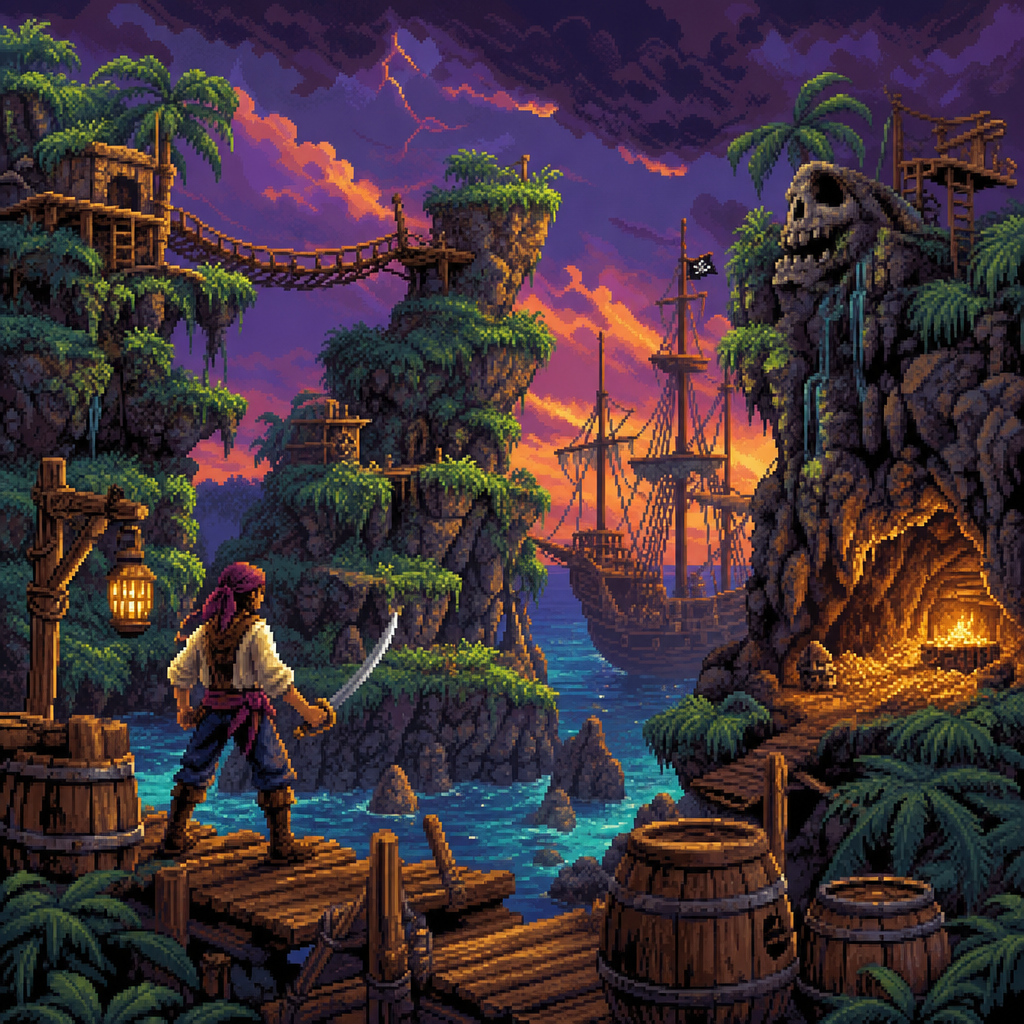
    Donkey Kong Country 2 still lands in a very specific retro search conversation in 2026: if you want the best Donkey Kong Country game to actually play today, is the second one really the peak? I think it probably is. Rare’s 1995 sequel is tougher, moodier, and more inventive than the original, and it still feels like one of the sharpest examples of how the SNES could turn movement, atmosphere, and hidden-route design into something that keeps pulling you forward.

    What impresses me most is how confident it is about escalation. The first game established the look and feel; this one immediately starts finding smarter ways to use them. Stages feel busier without becoming unreadable, secrets feel tempting rather than arbitrary, and the pirate theme gives the whole adventure a stronger identity than many mascot platformers ever manage. Where Super Mario World still feels smoother and more welcoming, Donkey Kong Country 2 feels more dramatic and slightly more mischievous. It wants you to earn the good stuff.

    Why Donkey Kong Country 2 Still Hooks You

    The level design is the big reason this game still matters. Rare keeps introducing memorable spaces without leaning too hard on any one gimmick: haunted woods, bramble mazes, rollercoaster tracks, lava-lit climbs, and shipwreck interiors all have their own rhythm. Even decades later, a lot of platformers struggle to make environments feel this distinct. Donkey Kong Country 2 does it while still keeping the action readable enough that failure usually feels like your mistake, not the game’s.

    Diddy and Dixie make a great pair, too. Diddy is quick and nimble, Dixie’s helicopter spin adds just enough forgiveness, and swapping between them gives the game a quiet tactical layer. That extra mobility is a big part of why it still feels so replayable in 2026. You are not just surviving each obstacle; you are learning cleaner, faster, more stylish ways through it. In that sense, it has something in common with A Link to the Past’s gift for rewarding curiosity with meaningful detours. The overworld is different, but the same sense of deliberate discovery is there.

    The soundtrack deserves its reputation as well. David Wise’s music does not merely decorate the levels; it shapes their mood. Tracks like the bramble and water themes still give the game a strange, almost dreamy texture that helps it stand apart from louder, more straightforward platformers of the era. That atmosphere is a huge part of why people still search for this game specifically instead of just “good SNES platformers.” It has a personality all its own.

    Where the Age Shows

    It is not flawless. The difficulty can spike sharply, especially if you are chasing bonus rooms, DK coins, or a cleaner completion run. Some enemy placement is clearly designed to make you repeat sections until the timing settles into muscle memory. I do not mind that much, but it does mean the game can feel more demanding than its colourful presentation suggests.

    There is also a little bit of 1990s friction in the way some secrets are signposted. Most hidden areas feel fair once you know how the game thinks, but a few bonuses still rely on the sort of leap-of-faith experimentation that can push modern players toward a guide. The mine cart and animal buddy stages are brilliant, yet they can also turn a relaxed session into a slightly sweaty one very quickly.

    Why It Still Matters in 2026

    Donkey Kong Country 2 still matters because it sits in a sweet spot many retro platformers miss. It has enough spectacle to feel special, enough challenge to stay satisfying, and enough mechanical precision to survive beyond pure nostalgia. You can come back for the music, the pirate aesthetic, the completion chase, or the argument about whether this is better than the original, and the game supports all of those reasons surprisingly well.

    It is also one of the strongest answers to an evergreen collector-and-player question: which SNES platformers still feel genuinely essential once the nostalgia fades? Donkey Kong Country 2 is absolutely on that shortlist. It asks more of you than some peers, but it gives back atmosphere, variety, and momentum nearly every step of the way.

    Verdict

    Donkey Kong Country 2 is still one of the SNES’s best platformers and still, for me, the high point of the original trilogy. Its tougher edges and occasional secret-hunting friction stop it just short of feeling universally effortless, but its level design, soundtrack, and sense of adventure remain superb.

    9 / 10. If you want a 16-bit platformer with richer atmosphere, trickier stages, and more personality than most of its rivals, Donkey Kong Country 2 is still very easy to recommend in 2026.

    Does Donkey Kong Country 2 still top your Donkey Kong ranking, or do you think another 16-bit platformer has aged better?
  • Super Mario World Review — Is Nintendo’s 1990 SNES Classic Still Worth Playing in 2026?

    Super Mario World Review — Is Nintendo’s 1990 SNES Classic Still Worth Playing in 2026?

    Title Super Mario World
    Developer Nintendo EAD
    Publisher Nintendo
    Year 1990
    Platform focus SNES original release
    Genre Platformer
    Score 10 / 10

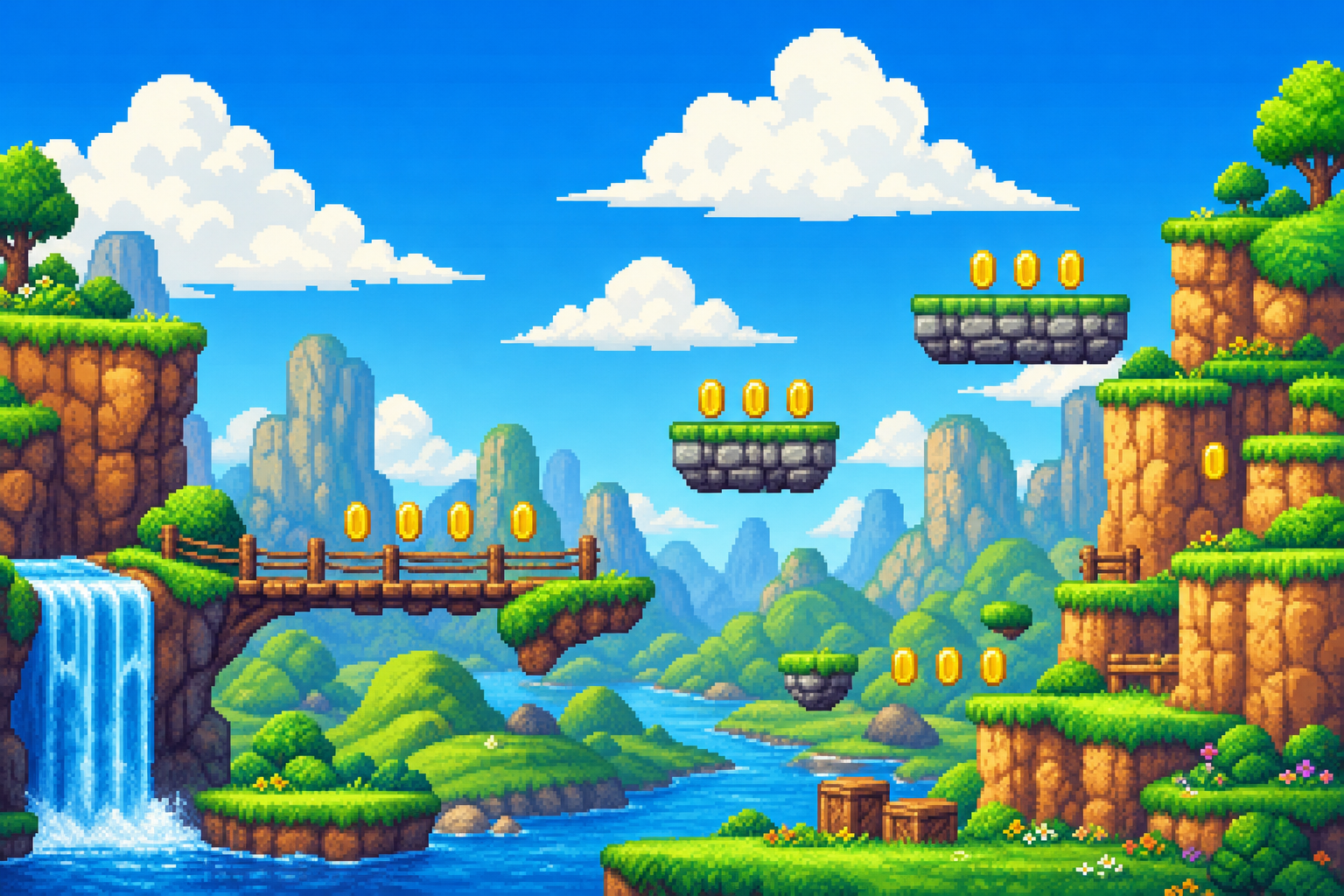
    Super Mario World still gets hit with one very practical retro question in 2026: if you want the best 2D Mario game to actually play today rather than simply respect from a distance, is Nintendo’s 1990 SNES classic still the answer? I think it probably is. Not because it is the hardest, strangest, or most sentimental entry in the series, but because it remains one of the cleanest examples of how to make movement, level design, and discovery feel joyful without wasting a second.

    What keeps it alive is how effortlessly readable it still is. Within minutes, the game teaches you how it thinks: how a jump should feel, how secrets are hinted at, how momentum can save you or betray you, and how the world map quietly turns a straightforward platformer into a miniature adventure. Where Sonic the Hedgehog 2 still wins on pure speed and attitude, Super Mario World feels more precise, more generous, and more endlessly replayable. And where A Link to the Past shows how strong the SNES was at elegant world design, this is the platforming equivalent: a game that makes craft look effortless.

    Why Super Mario World Still Feels So Good

    The obvious headline is movement. Mario has enough weight to make every jump count, but never so much that he feels stiff. Running, spinning, bouncing, flying, and recovering from small mistakes all click together with an ease that modern platformers still chase. The cape is the masterstroke. It gives the game an extra layer of expression, turning ordinary levels into spaces you can merely survive, confidently dominate, or practically dance through once the rhythm settles in.

    The level design is just as sharp. Nearly every stage introduces one idea, pushes it far enough to stay memorable, then gets out before the gimmick sours. That discipline is why the game still works for first-timers, lapsed Nintendo fans, and people searching for the best SNES platformer in 2026. It is constantly playful without ever feeling messy. Ghost Houses, fortress stages, secret exits, and the branching overworld all keep feeding the sense that there is always one more clever detour worth checking.

    Yoshi deserves some credit too, even beyond the nostalgia. He is not just a mascot flourish; he changes how you read levels, how safely you approach hazards, and how much room the game gives you to improvise. That small increase in forgiveness is part of why Super Mario World remains such an easy recommendation. It is welcoming without becoming bland.

    Where the Age Shows

    For all its elegance, it is not completely frictionless. Some secret exits are cryptic enough that modern players may suspect they missed a rule rather than a clue. The cape, brilliant as it is, can also flatten parts of the challenge once you fully understand it. A few later stages become easier to bypass than to master, which is fun but does slightly soften the difficulty curve.

    The other thing time reveals is that the boss roster is not the game’s strongest asset. The core stage design is so inventive that several castle encounters feel surprisingly slight beside it. They are not bad, just less memorable than the journey between them.

    Why It Still Matters in 2026

    Super Mario World still matters because it shows how timeless platforming can be when the fundamentals are this polished. It does not need elaborate cinematics, upgrade trees, or a mountain of collectibles to keep you engaged. It trusts readable spaces, superb controls, and a steady stream of tiny surprises. That confidence makes it feel fresh long after many technically newer games start to seem cluttered.

    It is also still one of the best answers to an evergreen search query: what retro game can you hand to almost anyone and feel confident it will click? Speedrunners, kids, older players returning to the SNES, and curious newcomers all get something slightly different from it, but the design meets them cleanly every time.

    Verdict

    Super Mario World is still one of the best platformers ever made and still one of the safest retro recommendations you can give in 2026. A few lightweight boss fights and some occasionally obscure secrets stop it from feeling completely perfect in a modern sense, but its movement, structure, and sheer generosity remain extraordinary.

    10 / 10. If you want the best 2D Mario game that still feels bright, playable, and almost impossibly well-built decades later, Super Mario World still earns its crown.

    Does Super Mario World still top your 2D Mario ranking, or has another side-scrolling favourite stolen that spot over the years?

  • Sonic the Hedgehog 2 Review — Is Sega’s 1992 Mega Drive Classic Still Worth Playing in 2026?

    Sonic the Hedgehog 2 Review — Is Sega’s 1992 Mega Drive Classic Still Worth Playing in 2026?

    Title Sonic the Hedgehog 2

    Developer Sega Technical Institute
    Publisher Sega
    Year 1992
    Platform focus Mega Drive / Genesis original release
    Genre Platformer
    Score 9 / 10

    Sonic the Hedgehog 2 still turns up in one very practical retro search in 2026: what is the best classic Sonic game to actually play today, not just admire from a distance? I think Sega’s 1992 sequel still makes the strongest case. It is faster, cleaner, and more confident than the first game, but it also avoids feeling like a museum relic. Plenty of 16-bit favourites survive because they were important. Sonic 2 survives because the good bits still work instantly the moment your thumbs hit the pad.

    That matters more than nostalgia. A lot of mascot platformers from the era feel cute until you ask them to be replayable. Sonic 2 still feels built for replay. The movement is snappy, the routes are easy to read at speed, and the game understands the basic pleasure of letting you feel slightly out of control without ever becoming total mush. In the same way Shinobi III still feels brilliant because Sega nailed momentum and responsiveness, Sonic 2 knows that game feel is not garnish. It is the whole point.

    Why Sonic 2 Still Works

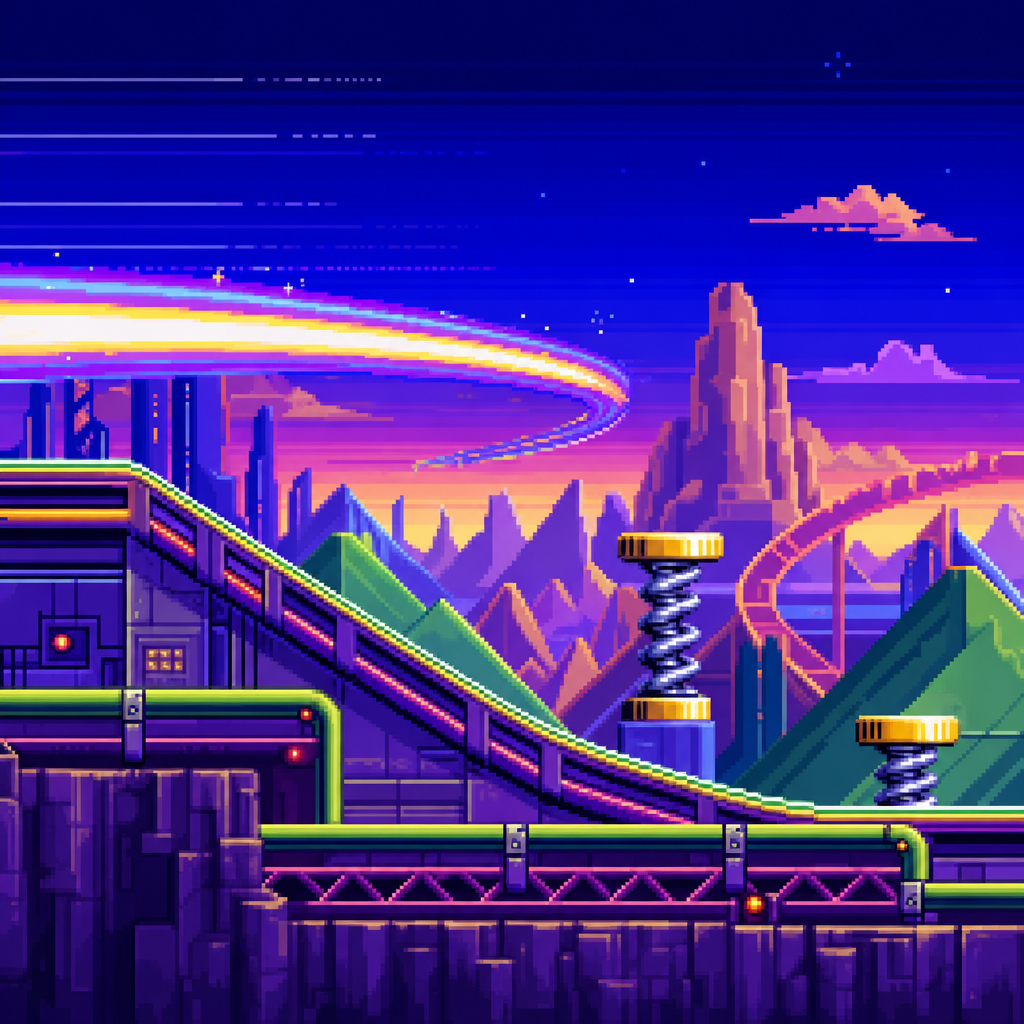
    The first win is pace. Sonic 2 gets you moving quickly, and most of its best stages are designed around the thrill of carrying that speed through slopes, springs, loops, and split-second decisions. When people talk about old Sonic games aging badly, they are usually pointing at stop-start level design or cheap obstacle placement. Sonic 2 is not completely innocent there, but compared with many platformers of its time it still feels remarkably fluid.

    It also helps that the sequel sharpens the spectacle. Chemical Plant, Casino Night, and Sky Chase all feel distinct without becoming gimmick museums. The visual themes are loud, the music is sticky, and the set pieces arrive before any one trick wears out its welcome. Like Gunstar Heroes at Treasure’s most exuberant, Sonic 2 understands that 16-bit excess can be a virtue when the controls are strong enough to support it.

    Tails is another quiet reason the game holds up. As a co-op gimmick he is charming chaos, but even in solo play he gives Sonic 2 a warmer personality than the first game. The sequel feels bigger without becoming colder. It is still about speed, but it is also about bounce, colour, and the sense that Sega had fully figured out how to sell this world as an event.

    Where the Age Shows

    Sonic 2 is not perfect. The later zones can still be a bit mean in a very early-1990s way, especially when the game asks for precision after training you to chase flow. Metropolis Zone remains the obvious offender: longer than it needs to be, more fiddly than it should be, and a little too pleased with enemy placement that interrupts the fun rather than deepening it.

    The special stages are another mixed blessing. Their pseudo-3D presentation was dazzling at the time and still has novelty, but they can feel slippery and slightly awkward compared with the main game’s cleaner strengths. If you are chasing every Chaos Emerald in 2026, you may admire the ambition a little more than the execution.

    Why It Still Matters in 2026

    Sonic the Hedgehog 2 still matters because it remains one of the clearest examples of how to make speed readable. Modern platformers often borrow the look of 16-bit games, but fewer capture that feeling of momentum, risk, and visual clarity all working together. Sonic 2 does. It understands that velocity only feels good when the player can parse the screen quickly enough to make meaningful choices.

    It is also still one of the easiest entry points for anyone curious about Sega at its commercial peak. If you want to understand why the Mega Drive mattered, this is one of the first cartridges worth loading. It has the swagger, the soundtrack, and the mechanical snap of an era when Sega wanted every game to feel like it was trying to outrun the competition.

    Verdict

    Sonic the Hedgehog 2 is still an excellent retro recommendation in 2026. A few awkward late-game sections stop it feeling completely effortless, but the speed, spectacle, and responsiveness are still strong enough to make it one of the best classic platformers to revisit. If you are searching for the best old Sonic game, this is still the one I would hand over first.

    9 / 10. Not flawless, but still fast, charismatic, and far more replayable than plenty of modern platformers that learned the wrong lessons from the 16-bit era.

    Where does Sonic 2 land for you now: still the best 16-bit Sonic, or has another hedgehog outing aged better in your eyes?

  • Jet Set Willy Review — Does the ZX Spectrum Classic Still Hold Up in 2026?

    Jet Set Willy Review — Does the ZX Spectrum Classic Still Hold Up in 2026?

    Title Jet Set Willy
    Developer Matthew Smith
    Publisher Software Projects
    Year 1984
    Platform reviewed ZX Spectrum
    Genre Platform game
    Score 7 / 10

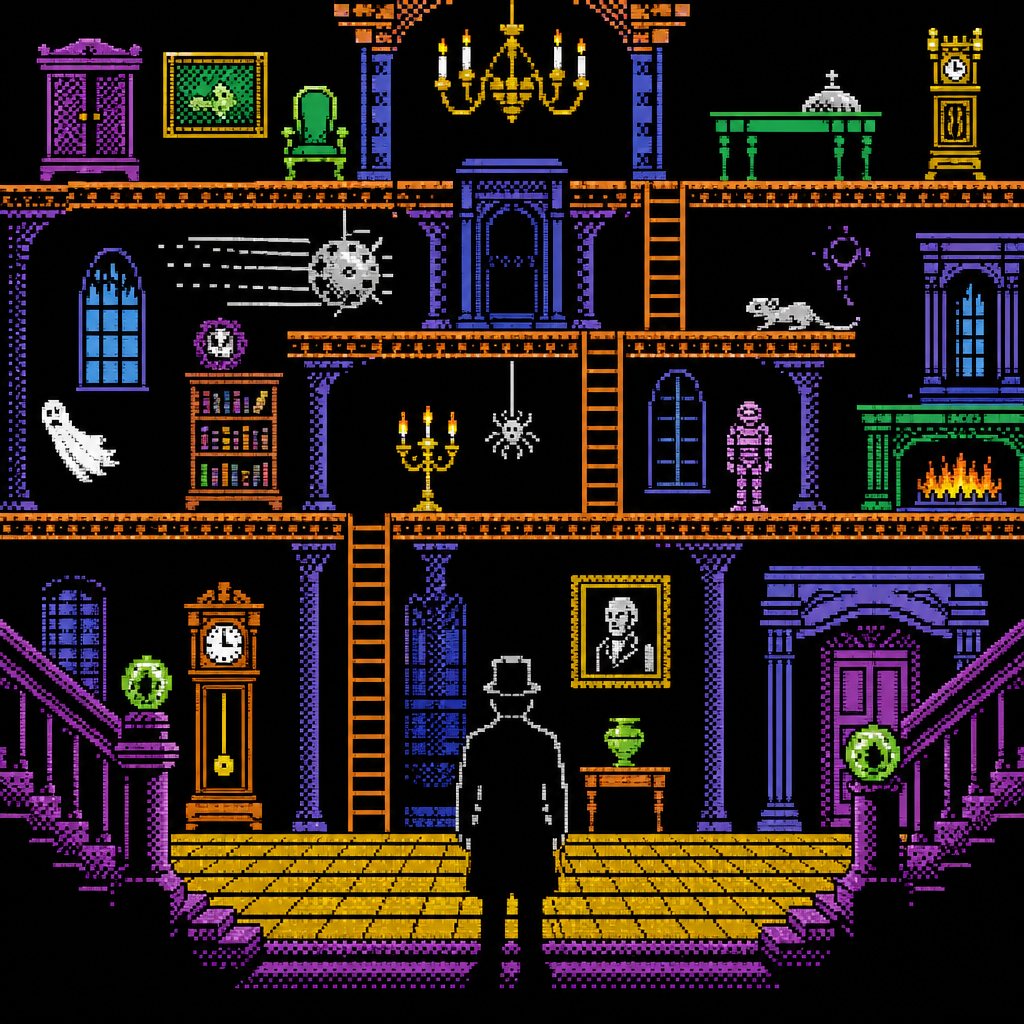
    There is a very particular kind of British 8-bit cruelty that nobody has ever quite replicated. Jet Set Willy is one of the purest examples: a game about tidying your mansion after a party that somehow feels like being personally bullied by architecture. Released in 1984 for the ZX Spectrum, Matthew Smith’s sequel to Manic Miner took a compact arcade challenge and exploded it into a weird, sprawling house full of lethal rope physics, sadistic jumps and some of the most memorable room names in gaming.

    The search question in 2026 is simple: is Jet Set Willy still worth playing, or is it one of those sacred retro cows that only survives on reputation? The answer is pleasingly awkward. It is absolutely worth playing, but you need to meet it on its own terms — as a landmark piece of British microcomputer design, not a polished modern platformer.

    The Brief

    Willy has thrown a catastrophic party, the house is a tip, and his housekeeper Maria will not let him sleep until every item has been collected. That is the entire plot, and it is perfect. The setup gives Smith an excuse to build a mansion that feels less like a level list and more like a hostile dream map. Rooms connect in surprising ways. Routes loop back on themselves. Progress is not linear so much as exploratory, which was a big deal in 1984. Where Manic Miner shoved you through one test chamber after another, Jet Set Willy lets you wander off and discover your next disaster for yourself.

    What Makes It Special

    The first thing that still works brilliantly is the sense of place. Jet Set Willy is a platform game, but it also feels like a house you come to know. You remember problem rooms. You develop grudges. You learn where the rope timing is generous, where it is vile, and which staircases are lying to you. That strange intimacy is part of why the game lingers in memory so much more vividly than many better-behaved contemporaries.

    The second strength is its commitment to movement rules that are simple but never trivial. Willy can run, jump, climb and grab ropes. That is it. Yet entire rooms are built around tiny variations in timing and rhythm. In that sense, it sits in the same British lineage as Chuckie Egg: games that look straightforward until you realise every screen is a compact argument about momentum, space and nerves.

    And then there is the atmosphere. The Spectrum original has that unmistakable colour-clash charm, but there is more personality here than the technical limitations suggest. The mansion is funny, eerie and slightly surreal. Even the bugs and oddities contribute to the legend. This is one of those games that helps explain why the current retro revival keeps pulling players back to the British 8-bit era: not because these games are smooth, but because they feel authored in such a specific human way.

    Why It Still Frustrates

    For all its historical importance, Jet Set Willy can also be a nuisance. Collision can feel unforgiving. Some jumps demand faith before they earn trust. The rope rooms are famous for a reason, and not always a flattering one. Depending on which version you play, you may also run into the game’s long-documented bugs and quirks. None of this makes it unplayable, but it does mean the game is easier to admire than to love unconditionally.

    That is really the dividing line. If you want a clean, frictionless platformer, there are dozens of better choices. If you want to understand why British bedroom coders were treated like rock stars, Jet Set Willy still delivers. It is imaginative, ambitious and gloriously stubborn.

    Verdict

    Jet Set Willy earns its reputation, even if it does not always earn your patience. As a sequel, it is messier and more ambitious than Manic Miner, trading perfect arcade compression for a much bigger world and a much stranger personality. Not every room is fair. Not every idea lands. But when the game clicks, it feels like discovering a secret architectural language from the early days of home computing.

    7 / 10. Not the friendliest Spectrum classic, but still one of the most important — and one of the easiest to recommend to anyone curious about how weird, witty and uncompromising 1984 platform design could be.

    • Pro tip: Treat each room like a puzzle, not a sprint. Greed causes most deaths.
    • Pro tip: On rope screens, watch the swing for a full cycle before committing.
    • Authority link: For release history and version details, start with Wikipedia’s Jet Set Willy overview.

    Did Jet Set Willy charm you into one more run, or did it send you straight back to kinder platformers? I’d love to know which room broke your patience first.