Tag: Action RPG

  • Guardian Heroes Review — Is Treasure’s 1996 Sega Saturn Cult Classic Still Worth Playing in 2026?

    Guardian Heroes Review — Is Treasure’s 1996 Sega Saturn Cult Classic Still Worth Playing in 2026?

    Title Guardian Heroes
    Developer Treasure
    Publisher Sega
    Year 1996
    Platform focus Sega Saturn original release
    Genre Beat ’em up / action RPG
    Score 9 / 10

    Guardian Heroes still answers a very specific retro question beautifully in 2026: if you want one Sega Saturn game that instantly explains why collectors, import hunters, and Treasure fans get a bit feverish about the system, is this the one? I think it probably is. Treasure’s 1996 brawler is messy in a few old-school ways, but it is also loud, inventive, charming, and mechanically weird enough to feel exciting rather than merely preserved.

    At a glance, it looks like a fantasy beat ’em up with anime energy and a lot of shouting. That is true, but it undersells what makes it special. Guardian Heroes mixes lane-based brawling, light RPG levelling, branching story paths, and pure arcade chaos into something that still feels unusually generous. Where Streets of Rage 2 wins through bruising clarity and near-perfect restraint, Guardian Heroes wins by throwing ideas everywhere and somehow keeping the whole thing upright. And like Gunstar Heroes at Treasure’s most gloriously excessive, it understands that velocity and surprise can cover a lot of ground when the fundamentals are sharp.

    Why Guardian Heroes Still Feels So Distinctive

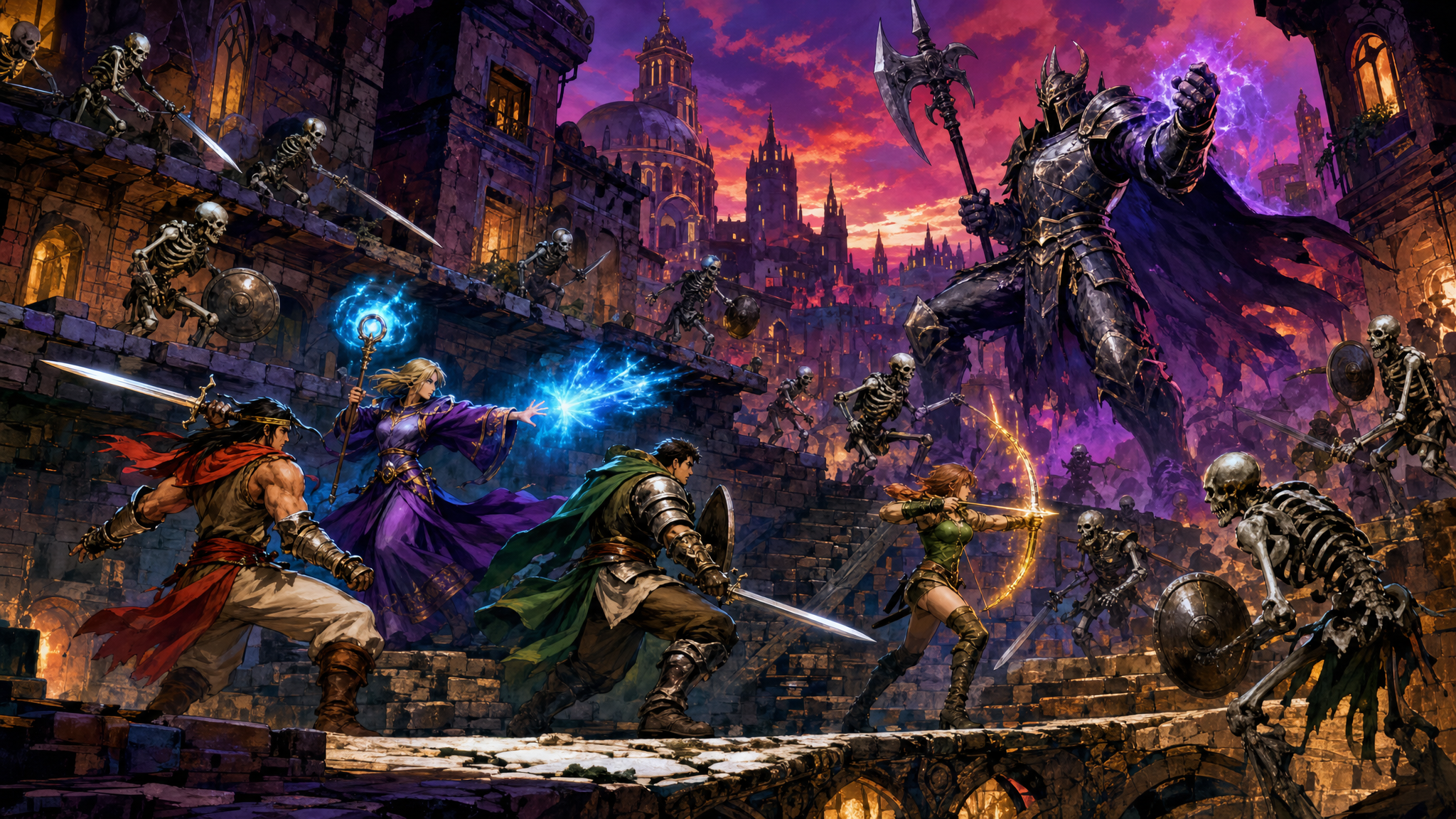
    The first thing that still lands is how energetic it feels. Characters dash, juggle, launch, cast, and crash around the screen with a sense of cartoon violence that the Saturn handles beautifully. The three-plane battlefield gimmick could have been a clumsy novelty, but it gives fights a pleasing layer of positioning. You are not just mashing through crowds; you are choosing lanes, breaking enemy groups apart, and deciding when to bully single targets or control space.

    I also still love the structure. The campaign is short by RPG standards, but it is packed with route splits, stat growth, character choices, and tonal swerves. One minute you are in a scrappy town escape; the next you are knee-deep in undead nonsense, political melodrama, or full-screen magical carnage. That branching design gives the game replay value that feels practical rather than theoretical. If someone searches for “best Sega Saturn game still worth playing” or “retro beat ’em up with replay value,” this is exactly the kind of answer that deserves to rank.

    The cast helps too. Even if the writing is broad and theatrical, each fighter has enough personality in movement and attack feel to make experimentation worthwhile. Han is dependable, Randy has brute-force appeal, Nicole brings the magic spectacle, and the wider unlockable roster pushes the game even further into cult-classic territory. It feels like a beat ’em up made by people who were slightly bored by ordinary beat ’em ups.

    Where the Age Shows

    It is not hard to spot the 1996 edges. The screen can become noisy, enemy behaviour can tilt from manageable to chaotic in seconds, and some players will bounce off the plane-switching until it clicks. Co-op also turns the game into a wonderful mess rather than a model of clean readability. I mean that affectionately, but it is still a real caveat.

    The story, meanwhile, is fun in a loud anime-fantasy way rather than an elegant one. If you need subtle writing or careful pacing, Guardian Heroes is not here to help. Levelling systems are light rather than deeply strategic too, so do not come in expecting a fully formed action-RPG sandbox. This is more of a brawler with extra flavour than a deep character-build obsession.

    Why It Is Still Worth Playing in 2026

    What keeps Guardian Heroes relevant is that almost nobody makes this exact blend anymore. Modern games borrow bits of it — branching runs, crowd combat, expressive juggling, stat growth — but very few of them combine all those pieces with this much personality. It still feels like a singular object from the Saturn era: ambitious, slightly unruly, and completely comfortable being a cult favourite instead of a mass-market compromise.

    It also holds up because Treasure knew how to make action feel playful. Even when the game gets cluttered, there is a confidence to the animation, hit reactions, and magical chaos that keeps it from feeling dusty. For Saturn nostalgia, collector curiosity, or anyone trying to find the system’s most convincing evergreen recommendation, Guardian Heroes still has real bite.

    Verdict

    Guardian Heroes remains one of the Sega Saturn’s strongest arguments in 2026: imaginative, scrappy, generous, and just unruly enough to stay memorable. A little visual chaos and some mid-90s roughness stop it short of total perfection, but the invention level is still hard to resist.

    9 / 10. If you want a retro brawler that still feels eccentric, replayable, and unmistakably alive, Guardian Heroes is an easy recommendation.

    • Play tip: Try a second run with a different character path instead of treating the first ending as the whole game; the branching structure is part of the appeal.
    • Play tip: Use lane-switching defensively when crowds start to snowball rather than standing still and eating chaos.
    • Authority link: Wikipedia overview of Guardian Heroes
    • Authority link: MobyGames entry for Guardian Heroes

    When you go back to Guardian Heroes now, what grabs you more: the Treasure chaos, the branching replay value, or simply the fact that the Saturn got something this strange and this good?
  • Fading Echo Release Date, Platforms, and Demo: What PS5, Xbox, and Switch 2 Players Should Know

    Fading Echo Release Date, Platforms, and Demo: What PS5, Xbox, and Switch 2 Players Should Know

    Fading Echo has quietly become one of those September releases that could slip past people if they blinked for a day. That would be a mistake. After arriving on PC on 21 July, the fast-moving elemental action-adventure hit Nintendo Switch 2 on 17 September, then landed on PS5 and Xbox Series X|S on 22 September.

    That makes the traffic angle pretty obvious: players are not searching for vague lore right now. They want the practical stuff. When is Fading Echo out, what platforms is it on, is there a demo, and what actually makes it stand out in a crowded month? Happily, this is one of those cases where the official details are refreshingly clear.

    Fading Echo release date and platforms, nice and simple

    According to PlayStation Blog, Fading Echo launched on PS5 on 22 September, and developer Emeteria describes it as a fast-paced elemental action-adventure RPG set in the fractured world of Corel. Gematsu adds the broader release picture: Switch 2 got it first on 17 September, PS5 and Xbox Series X|S followed on 22 September, and the game had already launched on PC back on 21 July.

    That staggered rollout matters because plenty of players will have seen clips of it over the summer and wondered whether the console versions were still in limbo. They are not. The answer is now straightforward: Fading Echo is out across PC, Switch 2, PS5, and Xbox Series X|S.

    What kind of game is it?

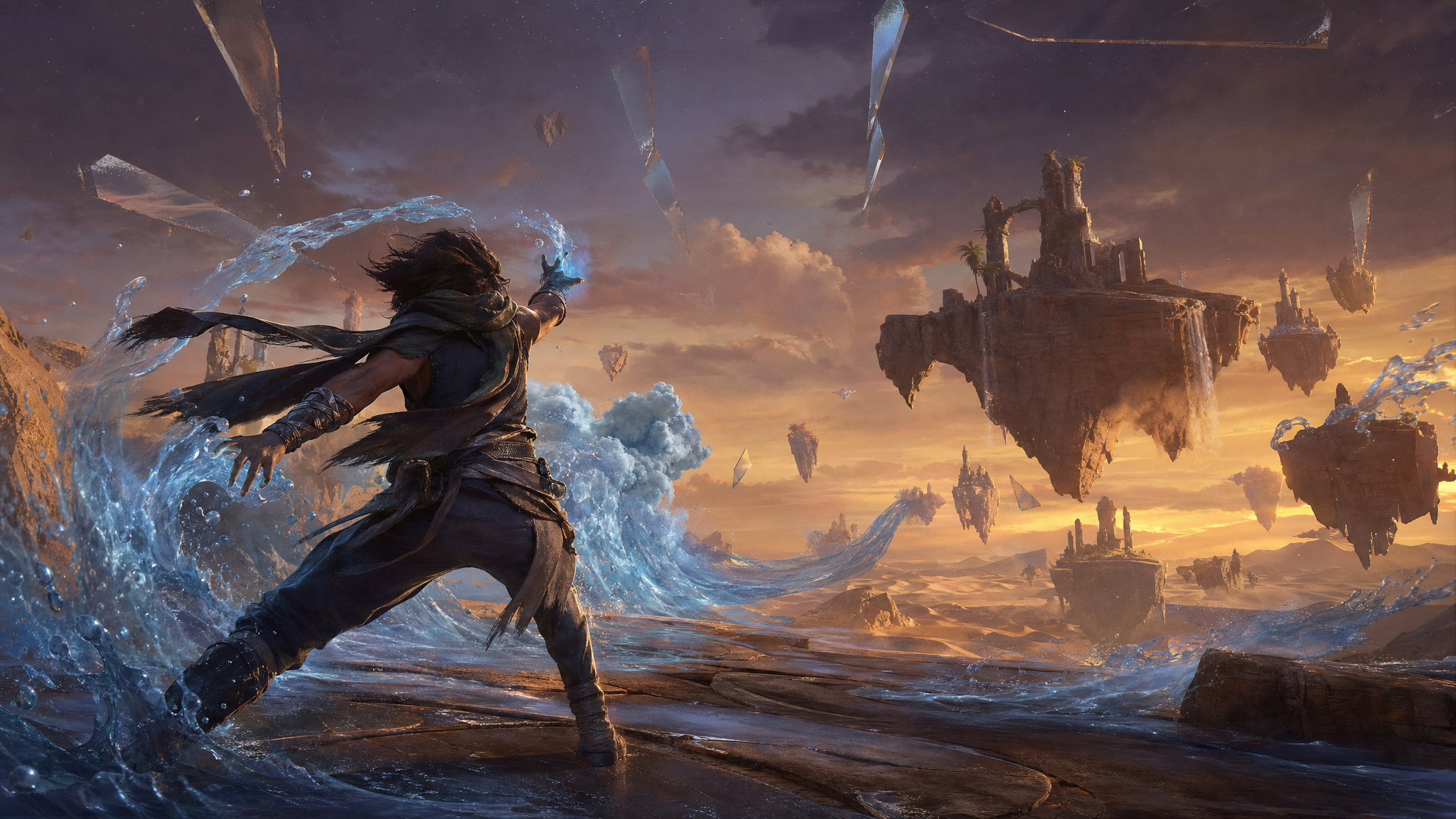
    The interesting hook is not just “another action RPG,” because that description would undersell what Emeteria seems to be chasing here. Fading Echo is built around water-based movement, elemental reactions, and reality-shifting puzzles. The official pitch gives the player character, One, the ability to dissolve into liquid, surf through spaces, drench enemies, and trigger reactions with hazards like lava, toxic waste, and corruption.

    That sounds a lot more playful than the usual dodge-roll-and-parry sales pitch. The game seems to want players experimenting with the battlefield rather than just memorising a single best combo. If you have been following Happy Fragger’s recent Wo Long 2 release date and demo breakdown, this lands in a similarly useful category: the part players care about most is not cinematic promise, but whether the mechanics look distinct enough to justify attention.

    Is there a Fading Echo demo?

    Yes, at least on PS5. The PlayStation Blog post confirms that a demo is available now on PlayStation 5, which is a smart move for a new IP launching into a packed late-September window. Asking people to trust a brand-new action game on vibes alone is tough. Letting them test the movement and elemental systems first is much smarter.

    That also gives Fading Echo a better chance of cutting through for players who are already juggling bigger names, Switch 2 curiosity, and all the usual autumn backlog panic. We saw a similar “give people concrete reasons to care” effect in our earlier Zelda Ocarina of Time Switch 2 release-date explainer: once timing and platform details are nailed down, the conversation gets much more useful.

    Why Fading Echo might be worth watching

    The real reason this launch feels interesting is that Fading Echo does not seem to be chasing photorealistic grit or borrowed prestige. It has a stranger, more systems-driven pitch: use water as traversal, use it as a weapon, then bend the environment around it. In a month stuffed with louder franchises, that kind of mechanical identity can go a long way.

    It may not be the biggest release of September 2026, but it absolutely looks like one of the easier games to explain in a headline players will actually search for: release date, platforms, demo, and whether the hook is real. On those points, Fading Echo has done enough to earn a closer look rather than getting buried under the usual release-calendar noise.

    Are you giving Fading Echo a shot on PS5, Xbox, Switch 2, or PC, or is this one landing in the “wait for player impressions” pile?

    Sources

  • Vagrant Story Review — Is Square’s 2000 PS1 Cult Classic Still Worth Playing in 2026?

    Vagrant Story Review — Is Square’s 2000 PS1 Cult Classic Still Worth Playing in 2026?

    Title Vagrant Story
    Developer Square Product Development Division 4
    Publisher Square
    Year 2000
    Platform focus PlayStation original release
    Genre Action RPG / dungeon crawler
    Score 9 / 10

    Vagrant Story is one of those retro games people talk about in a slightly hushed tone, as if they are describing an abandoned cathedral rather than a PS1 RPG. In 2026, the useful question is not whether it is historically important. It is whether Square’s strange 2000 cult classic is still worth the effort when you could spend that same time with something more immediately welcoming. I think it is — but only if you want a game that meets you halfway rather than one that politely explains itself.

    Set in the ruined city of Lea Monde, Vagrant Story drops you into a moody political thriller with Ashley Riot, risk analyst and all-purpose problem solver, chasing a conspiracy through catacombs, wine cellars, chapels, and cracked stone halls. Even now, the game’s biggest weapon is atmosphere. Like Resident Evil 2 at its best, it understands how much tension a PlayStation-era game can create with architecture, sound, and restraint. Every corridor feels like it belongs to the same exhausted, haunted city.

    Why Vagrant Story Still Stands Out

    The first thing that still impresses me is confidence. Vagrant Story does not chase the bright, companionable energy of Final Fantasy VI or the breezy accessibility of many later action RPGs. It is dense, severe, and unapologetically itself. Menus matter. Positioning matters. Weapon types matter. Enemy classes matter. If you use the wrong blade against the wrong target, the game lets you feel that mistake immediately.

    That sounds punishing, but it is also the source of the game’s personality. Combat blends real-time movement with a targeting pause system that asks you to choose body parts and build risk-reward chains. When it clicks, battles feel wonderfully deliberate. You are not mashing through trash fights; you are reading an enemy, choosing a weakness, then trying to extend your advantage without fumbling the rhythm. That kind of friction is exactly why the game still attracts search traffic from players asking whether Vagrant Story holds up or whether it is just a respected relic. There is still nothing quite like it.

    The presentation helps a lot too. Character models remain expressive, the cinematic framing is striking, and the localisation still has a theatrical bite that suits the material. Lea Monde feels expensive in the way late-generation PS1 games often did: a machine being pushed right to the edge by developers who clearly knew every trick available.

    Where the Age Shows

    The same systems that make Vagrant Story special are also what make it difficult to recommend casually. Weapon affinity management can feel more like accountancy than adventure if you are not in the mood for experimentation. Menus take time to parse, inventory juggling can interrupt momentum, and the risk system occasionally pushes fights into awkward stop-start territory rather than elegant flow.

    It is also easy to bounce off the opening hours. The game explains enough to get you moving, but not always enough to make its deeper logic feel friendly. Modern players used to generous onboarding may spend the first stretch wondering whether they are missing something obvious. Usually, they are not. Vagrant Story is just stubborn.

    Why It Is Still Worth Playing in 2026

    That stubbornness is exactly why it remains valuable. Plenty of older games survive because they are simple to revisit. Vagrant Story survives because it still feels ambitious, weird, and sharply authored. It trusts mood over excess dialogue, systems over spectacle, and patience over convenience. In a medium now full of carefully smoothed edges, there is something refreshing about a game that still has corners.

    I would not call it the best first retro RPG for everyone. If someone wants a softer landing, Happy Fragger already has easier entry points. But if you want a PlayStation-era cult classic with real texture — something atmospheric, mechanically peculiar, and genuinely memorable rather than merely famous — this is still a superb pick.

    Verdict

    Vagrant Story remains one of the most distinctive RPGs on the original PlayStation. Its systems can be opaque, its pacing can turn severe, and it absolutely refuses to flatter impatient players. Yet that same uncompromising design is what gives it power.

    9 / 10. If you want a retro action RPG that still feels bold, brooding, and unlike almost anything else on Sony’s first console, Vagrant Story is still worth playing in 2026.

    • Play tip: Keep a couple of weapon types in rotation early instead of overcommitting to one blade before you understand enemy affinities.
    • Play tip: Treat the first few hours as a language lesson. Once the systems stop feeling hostile, the whole game opens up.
    • Authority link: Wikipedia overview of Vagrant Story
    • Authority link: MobyGames entry for Vagrant Story

    Did Vagrant Story click for you straight away, or is it one of those classics you had to learn how to love?

  • Secret of Mana Review — Is Square’s 1993 SNES Co-op Classic Still Worth Playing in 2026?

    Secret of Mana Review — Is Square’s 1993 SNES Co-op Classic Still Worth Playing in 2026?

    Title Secret of Mana
    Developer Square
    Publisher Square / Nintendo
    Year 1993
    Platform focus SNES original release
    Genre Action RPG
    Score 8 / 10

    Secret of Mana still sits inside one very practical retro search in 2026: if you want a classic SNES action RPG that feels magical with a second player on the sofa, is Square’s 1993 favourite still worth the hassle? I think the answer is yes, though not quite as cleanly as nostalgia sometimes claims. This is still a beautiful, generous, often enchanting game, but it also shows more menu friction, clumsy AI, and uneven combat than the genre’s most bulletproof classics.

    Even so, there is a reason people keep coming back. Secret of Mana understands adventure as atmosphere. The world feels wide without becoming bloated, the soundtrack has that soft dreamlike pull only the 16-bit era seemed to manage, and the co-op hook still gives it a personality that sets it apart from heavier SNES RPGs. Where Chrono Trigger still feels like the briskest and sharpest all-round SNES RPG recommendation, Secret of Mana survives by offering something looser, warmer, and more playful.

    Why Secret of Mana Still Feels Special

    The obvious answer is the world itself. Square built a fantasy journey that still feels inviting rather than intimidating: colourful villages, strange forests, dramatic ruins, and just enough mythic grandeur to keep every new area feeling like a destination. The pixel art has aged wonderfully, especially in motion, and Hiroki Kikuta’s soundtrack still does a huge amount of emotional work. Few 1993 games can sound this airy one minute and this quietly haunting the next.

    The second big reason is co-op. Plenty of retro greats are fun to admire; Secret of Mana is one of the few that still feels naturally social. Once your party fills out, handing a controller to a friend changes the whole texture of the game. Battles become a little scrappier, travel becomes chattier, and even the occasional messiness starts to feel part of the charm. In that sense it scratches a different itch from Super Mario RPG’s brisk single-player rhythm or A Link to the Past’s cleaner action-adventure flow.

    There is also a lovely generosity to the way progression works. New weapons, spells, and traversal beats arrive often enough that the game keeps feeding curiosity. It wants you to feel like the party is growing into something grander, and when that rhythm is working, Secret of Mana still feels wonderfully transportive. It is not just historically important; it is still easy to get swept up in.

    Where the Age Shows More Than Fans Admit

    This is also where the caveats live. Combat can feel mushier than memory suggests. The stamina-style attack meter means you are often waiting for efficient hits instead of freely expressing yourself, and enemy hit reactions can make fights look less readable than they should. Boss encounters are exciting in concept, but they are not always elegant in play. Sometimes the game feels like it wants dramatic action while the systems are nudging you toward cautious menu pausing and spell cycling.

    The ring menus remain iconic, but they are also one of the clearest reminders that not every old interface deserves romance. Once you are juggling items, weapons, and magic for multiple characters, the stop-start rhythm can drag. Companion AI does not help either. If you are playing solo, your party members can feel less like dependable allies and more like talented children who briefly wandered off.

    That friction matters because other SNES legends have aged more gracefully at a mechanical level. Final Fantasy VI still feels more dramatically cohesive, while Super Metroid remains a stronger lesson in pure environmental design. Secret of Mana wins instead on mood, companionship, and a specific kind of wandering fantasy adventure that newer games do not always replicate well.

    Why It Still Matters in 2026

    Secret of Mana still matters because it captures a version of action RPG design that feels inviting rather than overengineered. It is happy to be a little odd, a little airy, and a little messy if that helps the journey feel enchanted. That looseness can frustrate players expecting modern precision, but it also gives the game a softness and personality that many cleaner descendants lack.

    It also remains one of the better retro answers for players specifically searching for a couch-co-op SNES RPG, or for anyone curious about the roots of console action RPGs beyond the Zelda line. You may need patience for the menus and tolerance for occasional awkwardness, but the world, music, and sense of shared adventure still earn that patience more often than not.

    Verdict

    Secret of Mana is still worth playing in 2026, especially if your retro taste leans toward atmosphere, co-op novelty, and 16-bit fantasy charm over mechanical perfection. It is not the cleanest SNES classic, and I would not pretend the interface or AI have aged beautifully, but the mood is real and the adventure still has heart.

    8 / 10. If you want a retro action RPG that feels dreamy, social, and unmistakably of its era in the best and worst ways, Secret of Mana is still easy to recommend with a few honest warnings attached.

    • Play tip: The game feels better when you treat the ring menus as part of the rhythm instead of fighting them. Pause with purpose and queue healing before panic sets in.
    • Play tip: If you can, play with a second person. Co-op smooths over some AI frustration and makes the rough edges feel far more charming.
    • Authority link: Square Enix Collection of Mana official page
    • Authority link: Wikipedia overview of Secret of Mana

    Where does Secret of Mana land for you now: still a 16-bit treasure, or a classic whose charm asks a bit too much patience from modern players?