Title Vagrant Story
Developer Square Product Development Division 4
Publisher Square
Year 2000
Platform focus PlayStation original release
Genre Action RPG / dungeon crawler
Score 9 / 10
Vagrant Story is one of those retro games people talk about in a slightly hushed tone, as if they are describing an abandoned cathedral rather than a PS1 RPG. In 2026, the useful question is not whether it is historically important. It is whether Square’s strange 2000 cult classic is still worth the effort when you could spend that same time with something more immediately welcoming. I think it is — but only if you want a game that meets you halfway rather than one that politely explains itself.
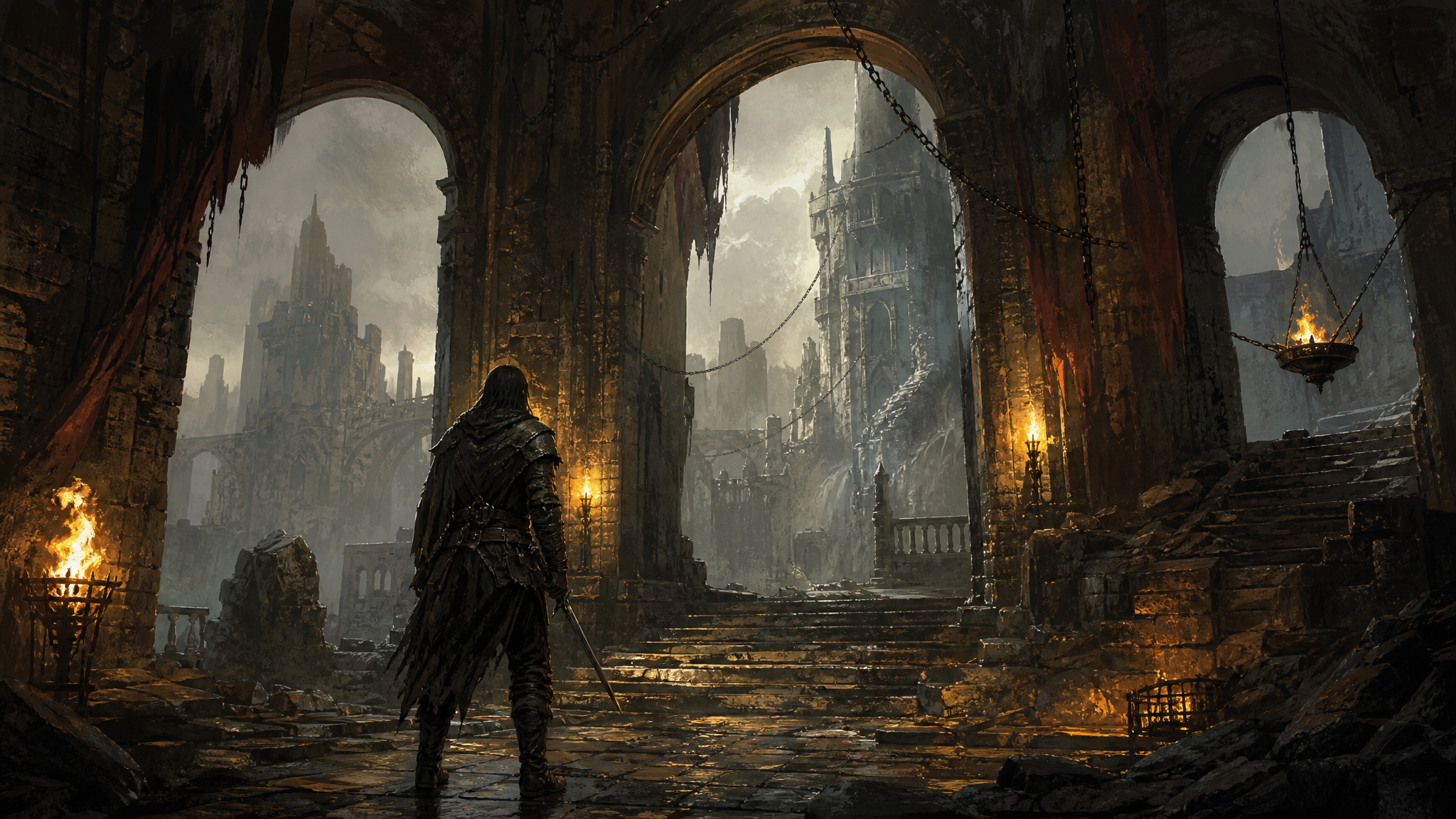
Set in the ruined city of Lea Monde, Vagrant Story drops you into a moody political thriller with Ashley Riot, risk analyst and all-purpose problem solver, chasing a conspiracy through catacombs, wine cellars, chapels, and cracked stone halls. Even now, the game’s biggest weapon is atmosphere. Like Resident Evil 2 at its best, it understands how much tension a PlayStation-era game can create with architecture, sound, and restraint. Every corridor feels like it belongs to the same exhausted, haunted city.
Why Vagrant Story Still Stands Out
The first thing that still impresses me is confidence. Vagrant Story does not chase the bright, companionable energy of Final Fantasy VI or the breezy accessibility of many later action RPGs. It is dense, severe, and unapologetically itself. Menus matter. Positioning matters. Weapon types matter. Enemy classes matter. If you use the wrong blade against the wrong target, the game lets you feel that mistake immediately.
That sounds punishing, but it is also the source of the game’s personality. Combat blends real-time movement with a targeting pause system that asks you to choose body parts and build risk-reward chains. When it clicks, battles feel wonderfully deliberate. You are not mashing through trash fights; you are reading an enemy, choosing a weakness, then trying to extend your advantage without fumbling the rhythm. That kind of friction is exactly why the game still attracts search traffic from players asking whether Vagrant Story holds up or whether it is just a respected relic. There is still nothing quite like it.
The presentation helps a lot too. Character models remain expressive, the cinematic framing is striking, and the localisation still has a theatrical bite that suits the material. Lea Monde feels expensive in the way late-generation PS1 games often did: a machine being pushed right to the edge by developers who clearly knew every trick available.
Where the Age Shows
The same systems that make Vagrant Story special are also what make it difficult to recommend casually. Weapon affinity management can feel more like accountancy than adventure if you are not in the mood for experimentation. Menus take time to parse, inventory juggling can interrupt momentum, and the risk system occasionally pushes fights into awkward stop-start territory rather than elegant flow.
It is also easy to bounce off the opening hours. The game explains enough to get you moving, but not always enough to make its deeper logic feel friendly. Modern players used to generous onboarding may spend the first stretch wondering whether they are missing something obvious. Usually, they are not. Vagrant Story is just stubborn.
Why It Is Still Worth Playing in 2026
That stubbornness is exactly why it remains valuable. Plenty of older games survive because they are simple to revisit. Vagrant Story survives because it still feels ambitious, weird, and sharply authored. It trusts mood over excess dialogue, systems over spectacle, and patience over convenience. In a medium now full of carefully smoothed edges, there is something refreshing about a game that still has corners.
I would not call it the best first retro RPG for everyone. If someone wants a softer landing, Happy Fragger already has easier entry points. But if you want a PlayStation-era cult classic with real texture — something atmospheric, mechanically peculiar, and genuinely memorable rather than merely famous — this is still a superb pick.
Verdict
Vagrant Story remains one of the most distinctive RPGs on the original PlayStation. Its systems can be opaque, its pacing can turn severe, and it absolutely refuses to flatter impatient players. Yet that same uncompromising design is what gives it power.
9 / 10. If you want a retro action RPG that still feels bold, brooding, and unlike almost anything else on Sony’s first console, Vagrant Story is still worth playing in 2026.
- Play tip: Keep a couple of weapon types in rotation early instead of overcommitting to one blade before you understand enemy affinities.
- Play tip: Treat the first few hours as a language lesson. Once the systems stop feeling hostile, the whole game opens up.
- Authority link: Wikipedia overview of Vagrant Story
- Authority link: MobyGames entry for Vagrant Story
Did Vagrant Story click for you straight away, or is it one of those classics you had to learn how to love?