Tag: PlayStation

  • Tony Hawk’s Pro Skater 2 Review — Is Neversoft’s 2000 Skateboarding Classic Still Worth Playing in 2026?

    Tony Hawk’s Pro Skater 2 Review — Is Neversoft’s 2000 Skateboarding Classic Still Worth Playing in 2026?

    Title Tony Hawk’s Pro Skater 2
    Developer Neversoft
    Publisher Activision
    Year 2000
    Platform focus PlayStation original release
    Genre Skateboarding / arcade sports game
    Score 9 / 10

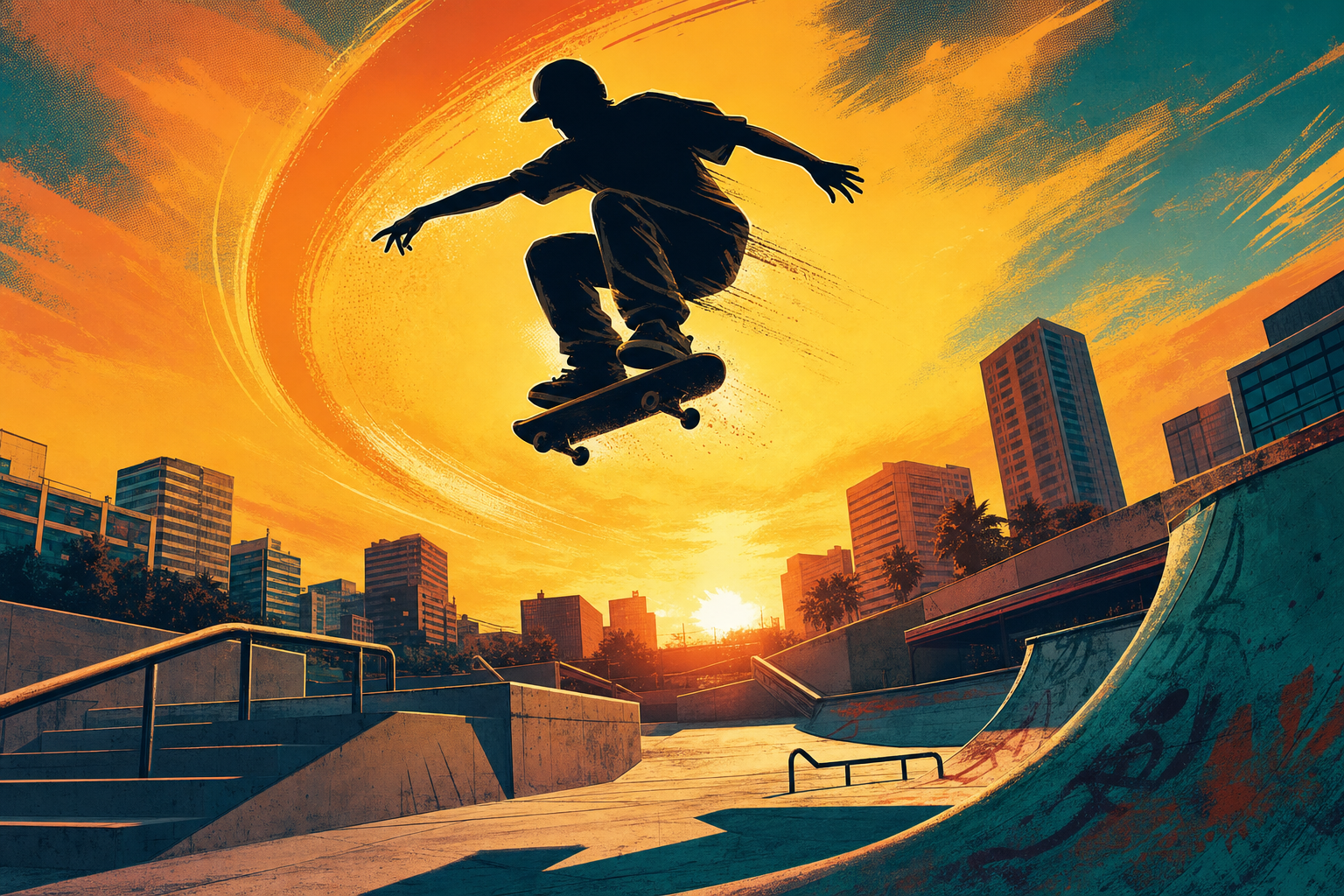
    Tony Hawk’s Pro Skater 2 still answers one very evergreen retro question in 2026: if you want an older sports game that feels instantly fun rather than historically important, does this one still deserve the hype? I think it absolutely does. Neversoft’s 2000 sequel remains one of the sharpest arcade games of its era because it understands a simple truth: movement is the fantasy. The tricks, the score chasing, the hidden tapes, the gloriously silly gaps — all of it works because the board feels fast, readable, and satisfying in your hands within minutes.

    That immediacy is the big reason it still survives. Like Crazy Taxi, it turns a short burst of play into a genuine loop of risk, rhythm, and “one more run” obsession. Like Jet Set Radio, it bottles a turn-of-the-millennium cool that still feels charming instead of embarrassing. But THPS2 is the cleaner, more universal recommendation because the controls are doing so much of the work. Even if you do not care about skate culture, the game still sells speed, flow, and score greed beautifully.

    Why Tony Hawk’s Pro Skater 2 Still Feels Great

    The obvious headline is the handling. The board never feels muddy, and the trick inputs remain wonderfully readable. Ollies, grinds, grabs, reverts-to-be in later games, manuals introduced here — it all clicks into a language of movement that is easy to understand and hard to master. You are not memorising combos in the abstract. You are learning lines through schoolyards, hangars, plazas, and bullrings, slowly realising how a good run can stitch the whole map together.

    That level design is still superb. Every stage feels like a toy box rather than just a backdrop. There are score routes for greedy players, clean objective paths for newcomers, and enough secrets tucked into odd corners to make exploration feel rewarding. The career structure also helps the game age well. Two-minute runs keep the pace aggressive, which means failure rarely feels punishing. You crash, you laugh, you restart, and suddenly forty minutes vanish.

    I also think the game’s tone has held up better than some of its imitators. THPS2 is loud, confident, and slightly ridiculous, but it rarely feels desperate to prove how extreme it is. It just gets out of the way and lets the systems shine. That matters in 2026, when so many sports games drown their best ideas in menus, currencies, and season-pass clutter. THPS2 still feels liberating by comparison.

    Where the Age Shows

    The biggest caveat is that later entries refined the formula in ways you may miss if you started there. The manual system opened the combo game up enormously, but this is still an earlier, tighter version of the series than the sprawling monster that followed. If your favourite memories are of longer combo chains and bigger create-a-skater toy boxes, THPS2 can feel slightly lean.

    Some of the goals are also more trial-and-error than elegant design. A few hidden items and gap hunts still have that old-school “how was I meant to know that?” flavour, especially without playground-era word of mouth. And while the soundtrack remains iconic, licensed music hits differently when you are playing through modern ports, emulation setups, or old hardware with different expectations around presentation and convenience.

    Why It Still Matters in 2026

    Tony Hawk’s Pro Skater 2 still matters because it is one of the clearest examples of an arcade design loop with almost no wasted motion. The objectives are quick to read, the movement is fun before you are good at it, and mastery feels earned instead of bureaucratic. That is a rare trick. Plenty of games are deep. Fewer are this welcoming without becoming shallow.

    It is also still one of the safest answers to another useful search query: what retro sports game should I actually play if I do not normally like sports games? You do not need to follow skating, know the soundtrack by heart, or care about late-90s fashion. You just need to enjoy games that reward momentum and clever routing. On that level, THPS2 still sings.

    Verdict

    Tony Hawk’s Pro Skater 2 is still a superb retro recommendation in 2026: fast, expressive, addictive, and much smarter than its baggy-shorts image ever suggested. A few later-series improvements and some old-school obscurity keep it from feeling absolutely perfect today, but the core loop is still fantastic.

    9 / 10. If you want a classic skateboarding game that still feels joyful, readable, and dangerously hard to put down, this is still one of the best places to start.

    When you go back to THPS2 now, does it still feel like the series peak, or did a later Tony Hawk game finally outgrow it for you?

  • Castlevania: Symphony of the Night Review — Is Konami’s 1997 PS1 Classic Still Worth Playing in 2026?

    Castlevania: Symphony of the Night Review — Is Konami’s 1997 PS1 Classic Still Worth Playing in 2026?

    Title Castlevania: Symphony of the Night
    Developer Konami Computer Entertainment Tokyo
    Publisher Konami
    Year 1997
    Platform focus PlayStation original release
    Genre Action RPG / Metroidvania
    Score 9 / 10

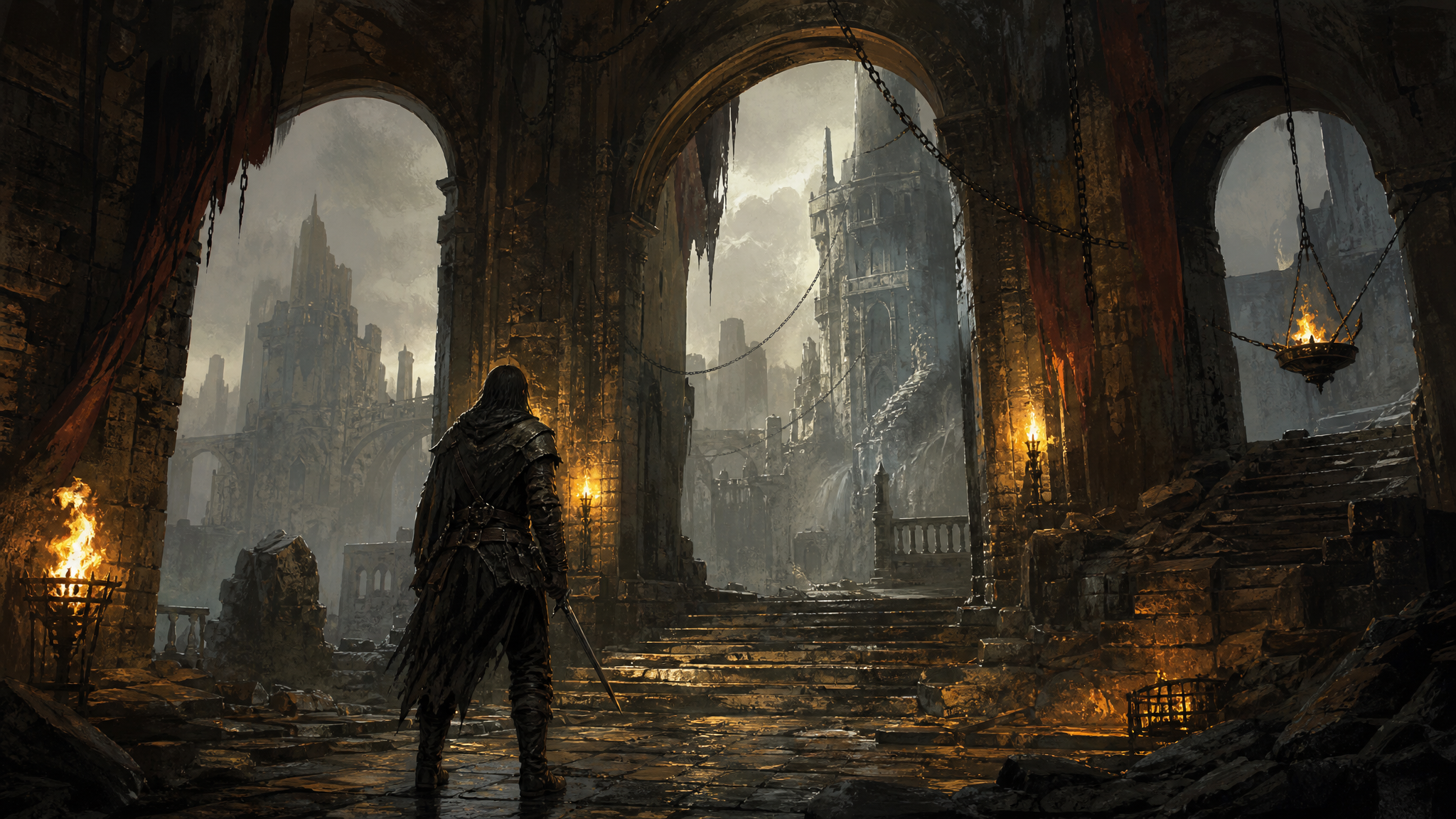
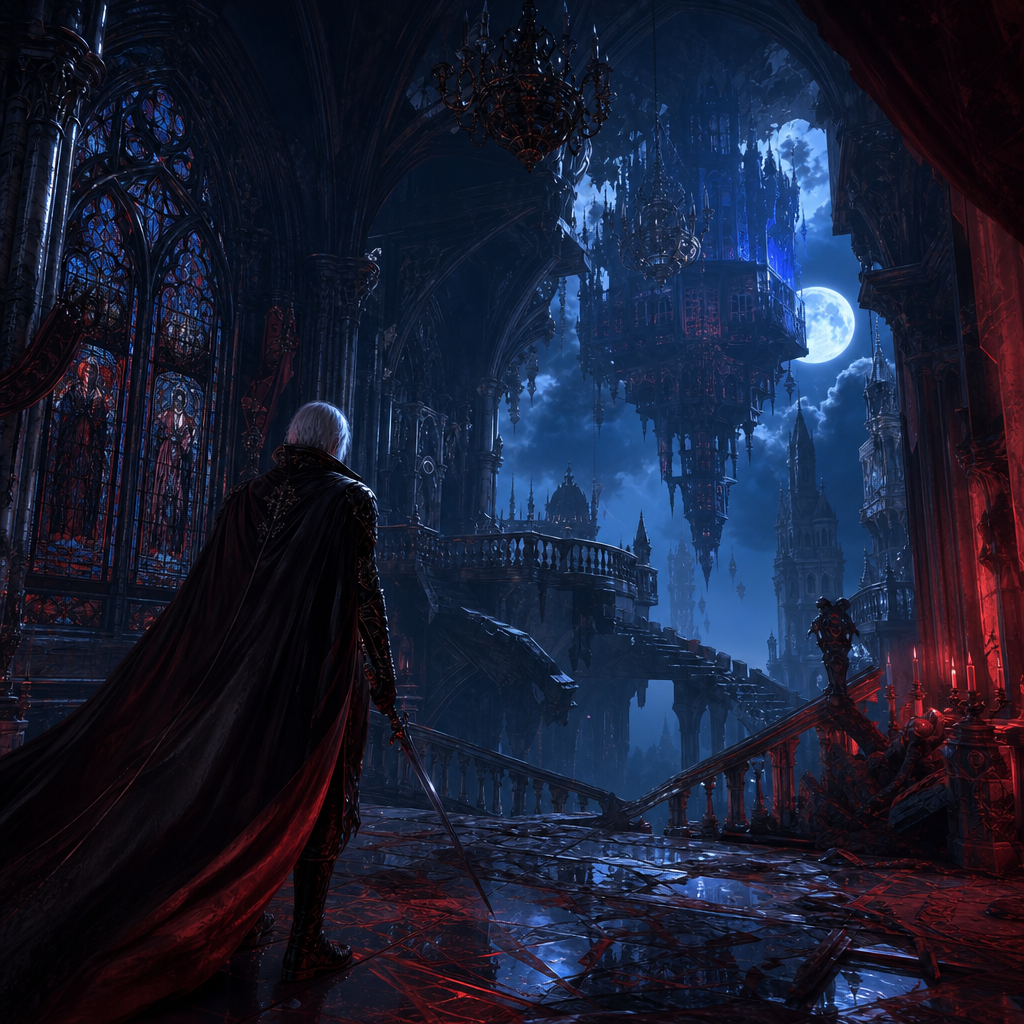
    Castlevania: Symphony of the Night still gets dragged into the same retro argument in 2026 for a reason: if you want the best PS1-era Metroidvania that does more than coast on reputation, is this still the one? I think the answer is yes, with one small caveat. Konami’s 1997 classic is not flawless, and a few of its rough edges have become easier to spot over time, but the blend of gothic atmosphere, exploratory map design, and absurdly satisfying power growth still lands with real force.

    What makes it survive is how quickly it understands its own fantasy. You are not inching through Dracula’s castle as a fragile underdog for very long. Symphony of the Night wants you to feel elegant, dangerous, and a little overpowered, then keeps feeding that feeling with new weapons, forms, secrets, and shortcuts. Where Super Metroid still feels like the moodiest and most disciplined side of the genre, Symphony of the Night is the flamboyant cousin that wants to hand you a better sword, a cooler cape, and a hidden room behind every suspicious wall. That difference is exactly why it still feels alive rather than merely important.

    Why Symphony of the Night Still Feels So Good

    The castle is the obvious headline. Even now, it remains one of the great interconnected spaces in games: readable enough to explore without constant frustration, but dense enough that progress still feels earned. Movement upgrades and transformations turn earlier dead ends into fresh invitations, and the map drip-feeds just enough certainty to keep curiosity ahead of irritation. If you are searching for the retro game that explains why people still use the word “Metroidvania” in the first place, this is one of the cleanest answers.

    Combat also has more texture than nostalgia sometimes admits. Alucard’s movement is fast, his attacks have a lovely crispness, and the equipment system gives the game an action-RPG rhythm that still feels generous without becoming mushy. One run might be built around elegant swordplay; another turns into shield tricks, spell experiments, and inventory tinkering. That flexibility is a big reason the game remains easy to recommend to players who bounce off stricter retro action design. In the same way Chrono Trigger is still a brilliant gateway into classic JRPGs, Symphony of the Night remains one of the friendliest doors into older exploration-heavy action games.

    Then there is the presentation. The pixel art is still gorgeous, the enemy variety still gives the castle personality, and Michiru Yamane’s soundtrack does an enormous amount of heavy lifting. It gives the whole game a strange confidence: elegant in one room, sinister in the next, occasionally theatrical enough to feel like the game is smirking at you. Plenty of PS1 games feel trapped by their era. Symphony of the Night mostly feels elevated by it.

    Where the Age Shows

    Not every old-school habit has aged gracefully. The balance is all over the place once you understand the systems, and some equipment can make large chunks of the game feel less like tense exploration and more like decorative housekeeping. That is fun in its own way, but it does mean the challenge curve can collapse earlier than modern players might expect.

    The famous mid-game turn also remains slightly awkward if you are playing blind. The game wants discovery, which I respect, but the route to its biggest reveal is still obscure enough that some players will either miss it or hit a guide faster than the game probably intends. There is also a bit of PlayStation-era menu fussiness in the inventory management. Nothing here ruins the experience, though it does stop the game feeling as frictionless as its legend suggests.

    Why It Still Matters in 2026

    Symphony of the Night still matters because it sells exploration as pleasure rather than homework. The castle keeps rewarding curiosity with meaningful toys, not just completion percentage. You feel stronger, smarter, and more stylish as you learn the place. That loop has shaped decades of successors, but plenty of them still struggle to match the generosity of this game’s pacing and personality.

    It also remains one of the clearest examples of retro design that feels immediately playable instead of academically admirable. You do not have to care about genre history to enjoy it. The history just explains why so many later games keep borrowing its bones.

    Verdict

    Castlevania: Symphony of the Night is still an easy recommendation in 2026. It is atmospheric, generous, stylish, and packed with the kind of exploratory momentum that keeps “one more room” turning into another hour. A wobbly difficulty curve and a few bits of old-school obscurity keep it from feeling completely untouchable, but they do not come close to knocking it off the shortlist of essential retro action games.

    9 / 10. If you want the best PS1-era Metroidvania that still feels rich, replayable, and genuinely fun rather than merely historic, this is still one of the first games I would hand you.

    Where does Symphony of the Night sit for you now: still the king of the castle, or has another Metroidvania finally stolen its cape?

  • BeamNG.drive PS5 Release Date: What We Know About the 2026 Console Port So Far

    BeamNG.drive PS5 Release Date: What We Know About the 2026 Console Port So Far

    BeamNG.drive is finally heading to PS5 later in 2026, and that is a bigger deal than a simple “PC game gets console port” headline makes it sound. This thing has lived for years as the chaos gremlin of driving sims: part physics sandbox, part crash laboratory, part YouTube clip factory. The useful question now is not whether people are curious. It is what the PS5 version will actually include, and whether BeamNG can keep its weird, technical magic once it leaves the keyboard-and-mods crowd behind.

    Is there a BeamNG.drive PS5 release date yet?

    Not an exact one. The official line from BeamNG and PlayStation is that BeamNG.drive is coming to PS5 later this year. No day, no month, no pre-order date, and no price confirmed yet. So if you are searching for a firm BeamNG.drive PS5 release date, the honest answer today is simple: 2026, but not more specific than that.

    That may sound annoyingly vague, but it also fits the game. BeamNG is not a tidy annual sequel. It is a long-running simulation project with a reputation for obsessing over systems first and marketing second. That makes the lack of a locked date a little easier to forgive than it would be for a bigger, more polished-by-committee release.

    Why this port matters more than another racing announcement

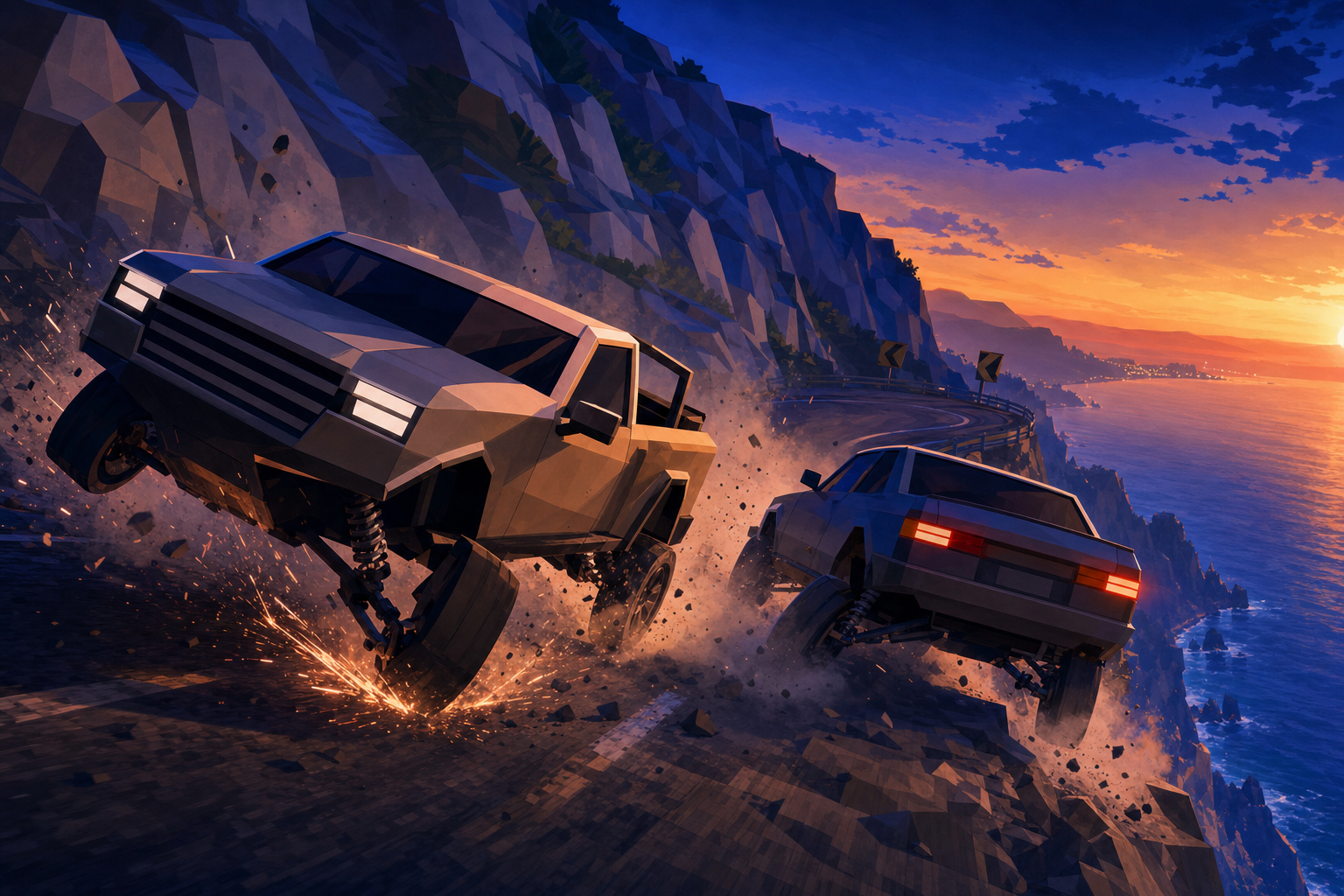
    What makes BeamNG interesting is not just speed. It is the way the cars behave when everything goes wrong. The studio says every vehicle is simulated as a network of parts that flex, deform, and fail in real time, which is why the crashes look messy instead of canned. That is also why the PS5 version has drawn real attention: if the team can make that level of simulation feel good on a console pad and a living-room setup, this could land as one of the more unusual driving releases on Sony’s system.

    Push Square pitched it as a cult PC favourite finally making the jump, and that feels about right. This is not trying to out-gloss Forza Horizon 6’s big open-road fantasy. It is selling a different kind of thrill: experimentation, destruction, and the joy of seeing a vehicle behave like a badly stressed object instead of a pre-scripted prop.

    What the PS5 version seems likely to include

    Based on the official announcement, PS5 players should expect the core BeamNG mix: open maps, mission-based challenges, lots of vehicle types, and deep tuning options. The other interesting bit is that the console news arrived alongside details for the game’s upcoming v0.39 update on PC. That update includes a major graphics overhaul, Direct3D 12 support, HDR improvements, better atmospheric effects, memory savings, and expanded aerodynamic simulation.

    The key takeaway is that BeamNG is not just dumping an old build onto PS5 and hoping nobody notices. The studio is clearly using this moment to modernise the whole package. If those optimisations really carry across the way BeamNG says they will, the console version could arrive in much better shape than people usually expect from a niche sim port.

    What PS5 players should keep their expectations in check about

    There are still some caveats. Official multiplayer is not launching with this announcement; BeamNG says it is in development, but still some way off. There is also the usual console-port question of how much control depth survives the jump from PC. BeamNG lives on tinkering, and part of its appeal is the rabbit hole. If the PS5 interface smooths that out too much, some of the hardcore audience will grumble.

    Still, there is a platform angle here that works in Sony’s favour. PS5 already has a busy early-summer conversation thanks to the next State of Play showcase, and BeamNG gives the system one more “hang on, that’s coming to console?” talking point. That is useful buzz, especially for players who like driving games but want something rougher, stranger, and more sandbox-driven than the usual track-day polish.

    If BeamNG.drive nails the feel on pad without sanding off its physics-heavy personality, this could become one of PS5’s sleeper hits of the year. If it arrives half-tamed, it will still be fascinating — just maybe not essential.

    Are you hoping BeamNG.drive on PS5 becomes a proper console obsession, or do you think this kind of sim chaos still makes more sense on PC?

    Sources

  • PS Plus June 2026 Games: Why Grounded and Darktide Make This Month Worth Claiming

    PS Plus June 2026 Games: Why Grounded and Darktide Make This Month Worth Claiming

    Sony has revealed the PS Plus June 2026 games, and this is one of those months where the lineup makes a lot more sense once you stop asking whether it has one giant prestige headliner and start asking what you might actually play with other humans. The answer is: probably quite a lot.

    The official June Monthly Games drop includes Grounded Fully Yoked Edition, Warhammer 40,000: Darktide, and Nickelodeon All-Star Brawl 2, with all three available for PlayStation Plus members from 2 June to 6 July. Sony also confirmed that EA Sports FC 26 will hang around a little longer, staying claimable until 16 June. If your search today is basically “are the PS Plus June 2026 games worth downloading?”, the short answer is yes — especially if your idea of value is co-op chaos, not just box-art bragging rights.

    Why this month feels smarter than it first looks

    At first glance, this is not a lineup built around one universally obvious blockbuster. What Sony has done instead is aim at three different kinds of social play. Grounded is for players who want a survival game with a strong shared-story hook. Darktide is for anyone who wants brutal, systems-heavy co-op shooting with a proper sense of momentum. Nickelodeon All-Star Brawl 2 covers the lighter, pick-up-and-play side of the month, even if it is clearly the least essential of the three.

    That means June lands with a clear identity: this is a multiplayer-first PS Plus month. Push Square made the same point in its early reaction, and it is hard to argue. Sony is not just handing out three random games here. It is nudging subscribers toward party sessions, weekend squads, and “go on then, install it” downloads that can actually turn into regular rotation.

    Grounded and Darktide are doing the heavy lifting

    Grounded is probably the most interesting inclusion because it broadens the shape of the lineup. Obsidian’s shrunken-backyard survival game has already built a reputation on Xbox and PC, and the PlayStation version gives PS5 players a genuinely good co-op time sink rather than a disposable freebie. If you like survival crafting, exploration, and the specific thrill of being bullied by insects the size of minibuses, this is the obvious first install.

    Darktide, meanwhile, is the sharper “serious” pick. Sony’s description leans hard on the mix of melee and ranged combat, and that matters, because Darktide’s identity has always been about pressure, rhythm, and team coordination rather than mindless horde clearing. If you have been waiting for a PS Plus month that feels a bit less safe and a bit more aggressive, this is the game that gives June its teeth.

    It also fits Sony’s bigger June push

    The timing is not random. Sony folded the reveal into its broader June PlayStation drumbeat and its Days of Play campaign, which also bundles in discounts, trials, bonus packs, and an early tease for more Game Catalog additions. That makes this monthly drop feel less like a lonely blog post and more like part of a wider subscription push.

    It also follows a fairly strong recent run on the service side. Earlier this month, Sony used the PS Plus Game Catalog May 2026 update to lean on recognisable names and easy value. June’s monthly games take a slightly different route: fewer obvious prestige points, more playable variety, and a better excuse to message friends instead of just padding the backlog.

    Should you claim all three?

    Honestly? Yes. Even if Nickelodeon All-Star Brawl 2 is the easiest one to shrug at, there is no real downside to claiming the full set, and both Grounded and Darktide are exactly the sort of games that can become much more appealing the moment the right group chat wakes up. This is not a month built to dominate headline rankings. It is a month built to be used.

    That is a perfectly good trade. A subscription lineup does not always need one massive trophy game if it gives players a couple of sticky, high-utility installs instead. Sony seems to understand that this time, and June looks stronger for it. Which of the PS Plus June 2026 games are you claiming first — Grounded, Darktide, or are you backing the wildcard with All-Star Brawl 2?

    Sources

  • PlayStation State of Play June 2026: Start Time, How to Watch, and Why Wolverine Makes This One Matter

    PlayStation State of Play June 2026: Start Time, How to Watch, and Why Wolverine Makes This One Matter

    PlayStation’s next State of Play is locked for Tuesday, 2 June, and this one looks a bit bigger than the usual mid-season check-in. Sony says the broadcast will run for more than 60 minutes, cover games from “top studios around the world”, and open with a fresh look at Marvel’s Wolverine. That alone is enough to put it on the radar, but the smarter reason to care is what this show represents: Sony finally kicking the summer showcase season into gear with something that sounds built to move PS5 wishlists, not just fill time.

    When is PlayStation State of Play June 2026?

    The stream starts on 2 June at 2pm PT / 5pm ET / 10pm BST, with English commentary and Japanese subtitles available. Sony is pushing the broadcast through YouTube and Twitch, so this is not one of those awkward “download our app and hope for the best” events. If you are in the UK, the 10pm start is actually pretty civilised by showcase standards.

    If you just want the search-answer version: yes, this is the big PlayStation State of Play for June 2026, yes, it is over an hour long, and yes, Marvel’s Wolverine is the named headliner.

    Why Wolverine is the real headline

    Sony’s official post does more than tease another logo flash. It specifically promises more of Insomniac’s upcoming third-person action game, including a look at Logan’s combat and some new details ahead of its 15 September PS5 launch. That matters because Wolverine has been sitting in the “we know it exists, now show us the thing properly” zone for a while. A big State of Play slot suggests Sony thinks it is ready to carry the mood of the whole broadcast.

    Push Square framed the announcement the same way: not as a generic PS5 news drop, but as a summer showcase with Wolverine planted right at the front door. Gematsu also highlights the fact that Sony is treating this more like an event than a routine update, right down to free Alamo Drafthouse watch parties in the US. That is usually a sign the platform holder expects people to show up, chat, clip it, and keep the buzz moving for a few days after.

    Why this State of Play matters beyond one game

    This is also good timing for Sony. PlayStation already has some momentum off its recent software cadence, and we have just covered one of the better-value parts of that in our PS Plus Game Catalog May 2026 breakdown. But subscription value only gets you so far. What keeps the PS5 conversation hot is the promise of what is next, and State of Play is where Sony gets to sharpen that promise in public.

    It also arrives in the middle of a noisier platform summer. Xbox has already had a strong May beat with Forza Horizon 6 landing with a clear hook, and Nintendo is still drawing attention around Switch 2 decisions. Sony does not need to “win E3” anymore because E3 is a ghost, but it absolutely does need a showcase that reminds people why sticking with PS5 this year feels exciting.

    What PS5 players should actually watch for

    Beyond Wolverine, the useful question is whether Sony fills the rest of that 60-plus minutes with dates, real gameplay, and at least one surprise that feels meaningful rather than polite. The official wording leaves room for first-party and third-party appearances, which usually means some combination of known exclusives, marketing-partner games, and one or two “oh, that’s sooner than expected” moments.

    So the traffic angle here is simple: this is not just a reminder post. It is a how to watch + why it matters showcase explainer for PS5 owners, lapsed PlayStation fans, and anyone trying to work out whether Sony’s second half of 2026 is about to get a lot stronger.

    Will you be tuning in for Wolverine, or are you hoping State of Play spends that extra hour on a completely different PS5 surprise?

    Sources

  • PS Plus Game Catalog May 2026: Why Star Wars Outlaws and Red Dead Redemption 2 Are Worth Your Time

    PS Plus Game Catalog May 2026: Why Star Wars Outlaws and Red Dead Redemption 2 Are Worth Your Time

    Subscription lineups can feel like background noise if you read too many of them. Another month, another pile of games, another excuse to pretend you were always going to replay something enormous. But Sony’s PS Plus Game Catalog for May 2026 lands a little differently. This one has an obvious headline act, a heavyweight comfort pick, and just enough variety underneath to make the whole month feel worth browsing instead of scrolling past.

    The traffic hook this month is simple: people want to know if PS Plus is actually worth opening in May

    That’s where this lineup has a real edge. According to Sony’s official PlayStation Blog announcement, Star Wars Outlaws, Red Dead Redemption 2, Bramble: The Mountain King, The Thaumaturge, Flintlock: The Siege of Dawn, Broken Sword – Shadows of the Templar: Reforged, and Enotria: The Last Song all hit the catalog on May 19 for Extra and Premium members. Premium subscribers also get Time Crisis, which is a lovely little curveball for anyone who still hears arcade alarm bells in their sleep.

    If you’ve already been tracking the broader release pile-up this month, our look at May 2026’s AAA Avalanche makes the same point from a different angle: May is absurdly busy. The smart services right now are not just padding libraries. They’re trying to become the easiest place to sample the conversation.

    Star Wars Outlaws is the real reason this month matters

    Outlaws is the part of this drop that gives the lineup search value, social value, and player-curiosity value all at once. IGN framed it as the standout addition, and that feels about right. Ubisoft’s scoundrel-in-space adventure arrived carrying a lot of noise, some of it fair, some of it internet-grade nonsense. Putting it into PS Plus now gives it a proper second swing.

    That matters because subscription services are increasingly where borderline-maybe games get their rehabilitation arc. Plenty of players were interested in Star Wars Outlaws, but not quite interested enough to pay full price on day one. PS Plus removes that hesitation instantly. If you were Star Wars-curious but wallet-cautious, this is your moment.

    Red Dead Redemption 2 is the anchor that makes the lineup feel generous

    Then there’s Red Dead Redemption 2, which is not new, not surprising, and still ridiculously effective. Video Games Chronicle highlighted it as the other major draw, and you can see why. Even in 2026, dropping Rockstar’s cowboy epic into a subscription lineup gives the whole month more weight. It turns a decent batch into a lineup people will actually talk about.

    There’s also a bit of timing magic here. Rockstar hype is permanently running hot, and anything with the words “Red Dead” or “GTA” nearby tends to get extra oxygen. We’ve already seen that with our own GTA VI delay breakdown. Sony getting Red Dead Redemption 2 back into rotation right now feels less accidental than strategic.

    The deeper cuts stop this from being a two-game month

    What I like here is that the undercard is not filler. Bramble gives the lineup some bite, The Thaumaturge covers the story-RPG crowd, and Flintlock plus Enotria keep the action-RPG crowd fed. Broken Sword is also a nice reminder that not every catalog update has to scream blockbuster energy to be worthwhile.

    And yes, Time Crisis on Premium is pure nostalgia bait, but sometimes nostalgia bait works because the bait is good. Between this and the current rush of Game Pass chatter around things like Subnautica 2’s early access launch, the subscription arms race is increasingly about one simple question: who gives you the best excuse to download something tonight?

    So, is PS Plus worth checking this month?

    Honestly, yes. Not because every game here will be a hit for every player, but because this is a properly rounded month with a clear marquee title and a very reliable backup star. If you want one big open-world game, you’ve got two. If you want smaller, moodier, weirder stuff, that’s here too. That is roughly what these services are supposed to do, and too often they forget it.

    PS Plus Game Catalog May 2026 looks strongest for players who skipped Star Wars Outlaws the first time, never quite got around to Arthur Morgan’s endless bad decisions, or just want a reason to feel better about their subscription bill for one month. By current service standards, that counts as a win.

    Which game would you download first this month: Star Wars Outlaws, Red Dead Redemption 2, or one of the smaller picks hiding underneath them?

    Sources