Title Castlevania: Aria of Sorrow
Developer Konami Computer Entertainment Tokyo
Publisher Konami
Year 2003
Platform focus Game Boy Advance original release
Genre Action-adventure / Metroidvania
Score 9 / 10
Castlevania: Aria of Sorrow still answers a very useful retro question in 2026: if you want the best classic Castlevania on Game Boy Advance, is this the one to start with? I think so. Konami’s 2003 entry takes the exploratory pull that made Symphony of the Night such a landmark and trims it into a cleaner, faster handheld adventure without sanding away the series’ gothic personality.
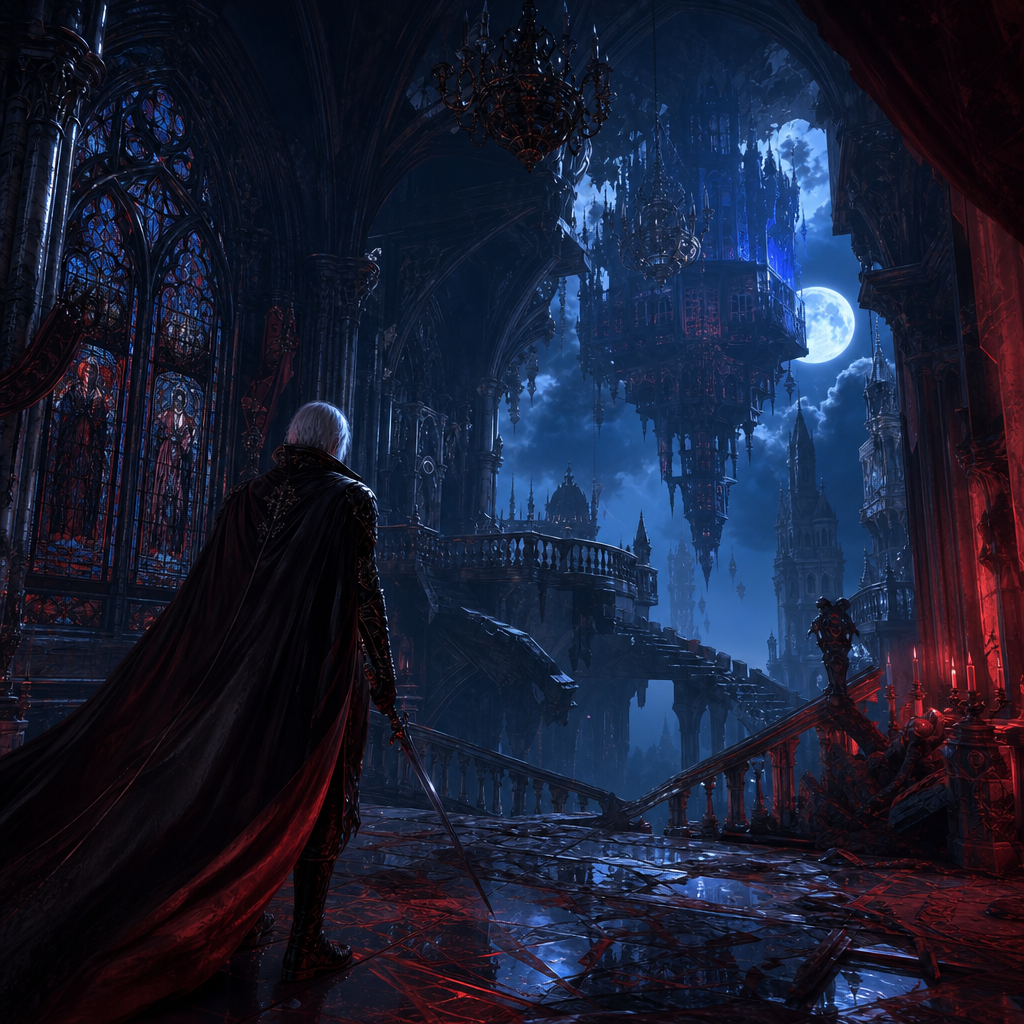
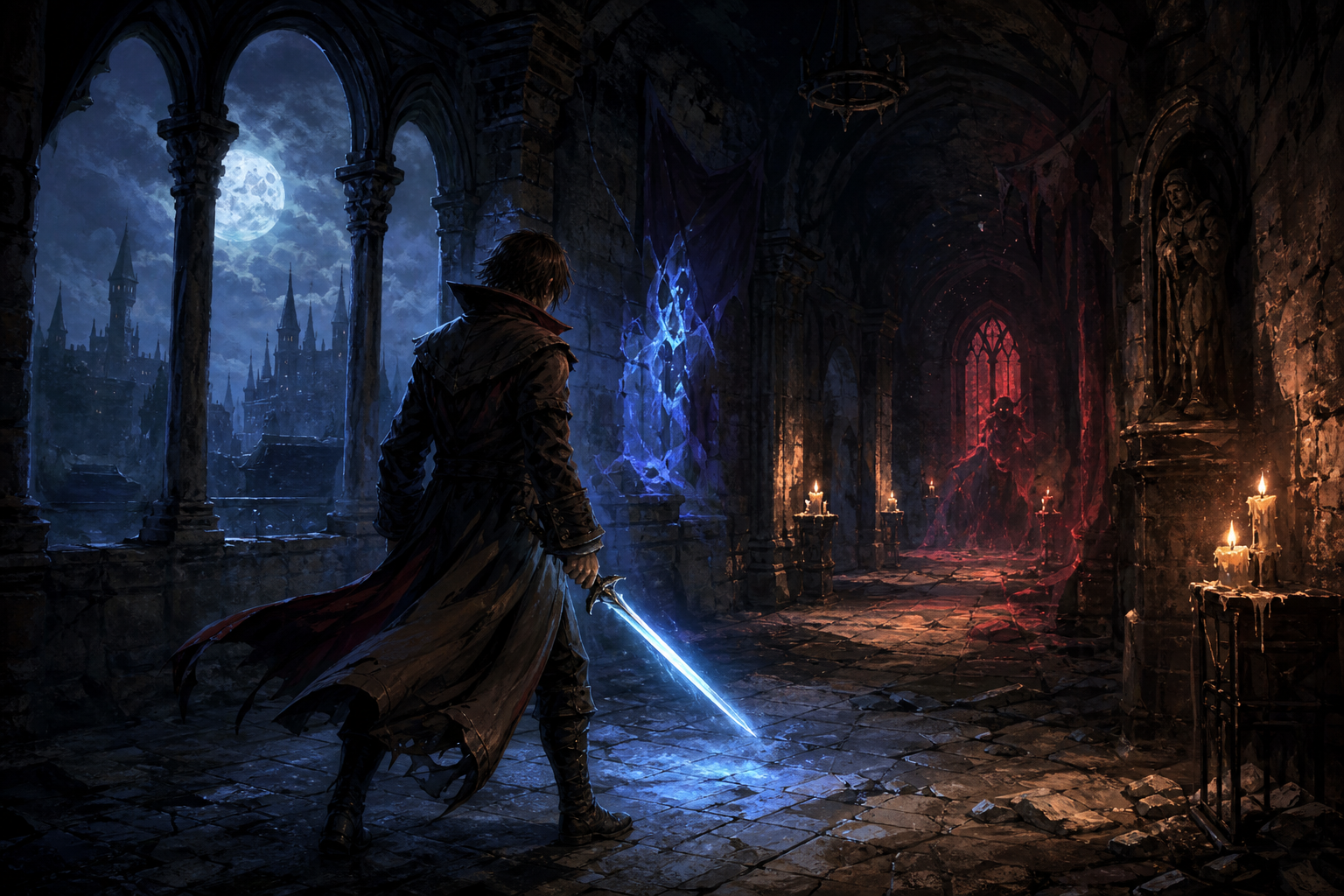
It also lands nicely in October, because Aria of Sorrow is spooky without becoming exhausting. The near-future castle setting, the enemy variety, and the constant drip-feed of new powers give it a Halloween-season mood that still feels inviting rather than punishing. For players searching for a retro action game they can actually finish, not just admire from a collector shelf, that matters a lot.
Why Aria of Sorrow Still Feels So Good
The biggest win is flow. Soma Cruz moves quickly, attacks cleanly, and rarely feels trapped by the hardware. The castle is laid out in a way that encourages curiosity without turning every wrong turn into a chore. If you have recently played Metroid Fusion, you can feel the same handheld-era discipline here: rooms are readable, upgrades arrive at smart intervals, and the game respects short sessions surprisingly well.
The Tactical Soul system is the real hook, though. Instead of just hunting better stats, you are constantly experimenting with abilities stolen from enemies. Some souls are practical, some are weird, and some are clearly stronger than others, but the important thing is that they make progression feel playful. That little layer of build-making helps Aria of Sorrow stand out from more rigid action-platformers of the same period.
I also think the art direction ages better than people sometimes expect from late-period GBA games. The sprites are expressive, the monsters are nicely varied, and the castle keeps shifting its texture just enough to stop the map from blurring into one long corridor. It is not as lavish as a big-screen console classic, but it understands exactly how to sell atmosphere inside handheld limits.
Where the Cracks Show
The most obvious weakness is that the difficulty curve can soften more than some long-time Castlevania fans may want. Once you find a few strong souls or weapons, certain stretches become more comfortable than tense. That is great for approachability, less great if you specifically want the harder edge of something like Castlevania: Bloodlines.
There is also a bit of familiar early-2000s friction in the drop rates. If you are the sort of player who wants every soul, you will notice the grind more than the atmosphere. The story is perfectly serviceable, but it is not the main attraction either; the broad setup is interesting, yet the character writing exists mostly to push you back toward the next room, boss, or secret wall.
Why It Is Still Worth Playing in 2026
What keeps Aria of Sorrow relevant is how neatly it balances recommendation-friendly strengths. It has historical weight, but it is not homework. It has a strong identity, but it is easy to read and easy to enjoy. Most importantly, it offers a genuinely welcoming doorway into the broader metroidvania conversation for players who find some older classics either too cryptic or too clunky.
That balance is why collectors still chase it, why GBA retrospectives keep circling back to it, and why it remains one of Konami’s safest retro-era recommendations. It captures the pleasure of getting a little stronger, pushing a little deeper into the castle, and always having one more experiment to try. Plenty of older action games still earn respect; fewer still earn fresh playtime. Aria of Sorrow absolutely does.
Verdict
Castlevania: Aria of Sorrow remains one of the Game Boy Advance’s best action-adventure games in 2026: brisk, stylish, and clever enough to stay engaging well beyond nostalgia. It is a touch easier than some Castlevania diehards may prefer, but that accessibility is part of what makes it such an enduring recommendation.
9 / 10. If you want a retro gothic adventure that still feels smooth, rewarding, and easy to love on modern terms, Aria of Sorrow is one of the first GBA games I would point to.
If you revisit Aria of Sorrow now, do you think its soul system makes it the best handheld Castlevania, or do you still prefer the series at its tougher, more old-school edges?