Tag: Capcom

  • Street Fighter II Review — Is Capcom’s 1991 Arcade Fighting Classic Still Worth Playing in 2026?

    Street Fighter II Review — Is Capcom’s 1991 Arcade Fighting Classic Still Worth Playing in 2026?

    Title Street Fighter II: The World Warrior
    Developer Capcom
    Publisher Capcom
    Year 1991
    Platform focus Arcade original release
    Genre Fighting game
    Score 9 / 10

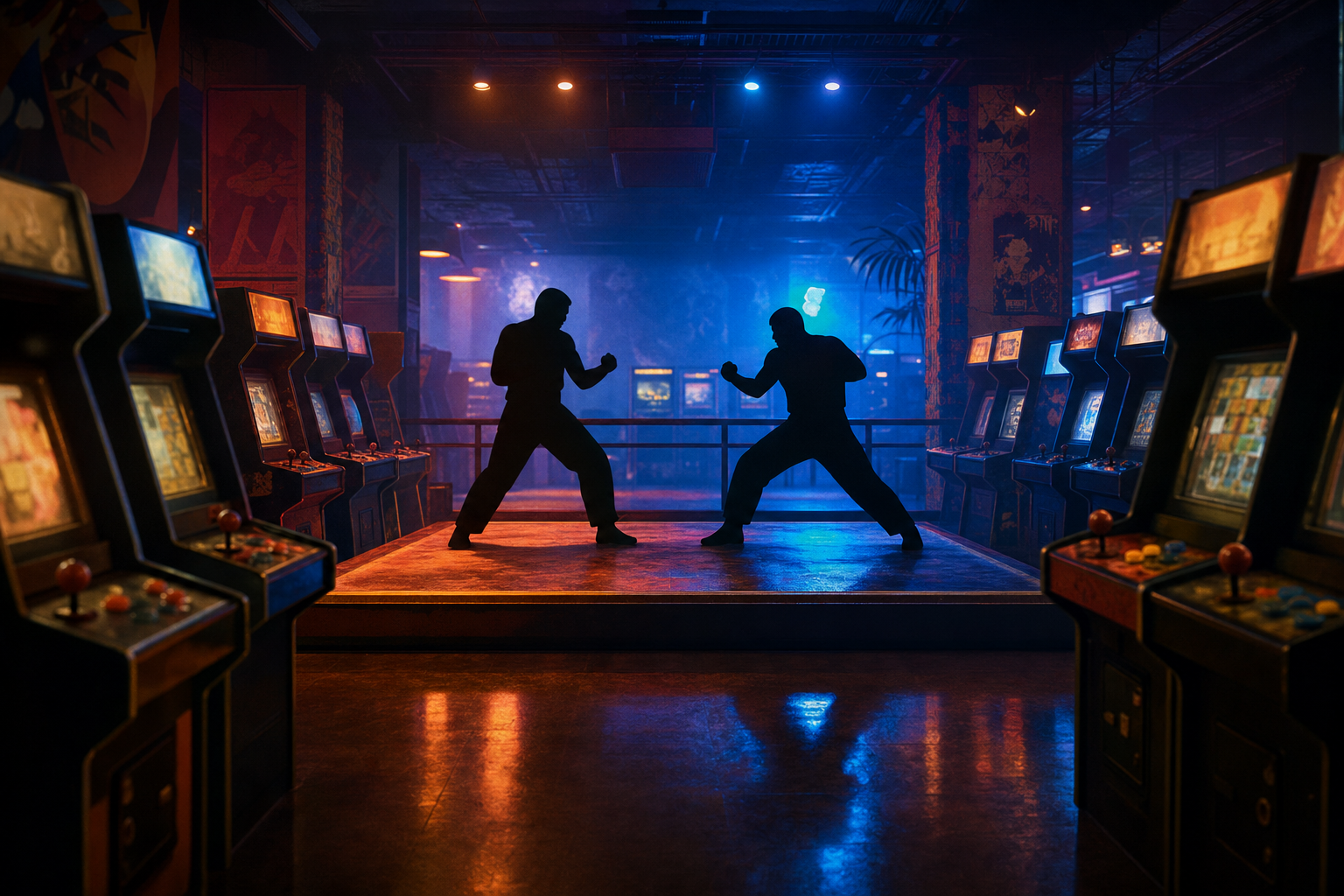
    Street Fighter II still sits at the centre of one very evergreen retro search in 2026: if you want to understand why fighting games became a global obsession, is Capcom’s 1991 giant still actually fun to play, or merely important? I think the answer is reassuringly simple. Yes, it is still fun. More than that, it is still one of the cleanest gateways into competitive retro games because its strengths are obvious within minutes: strong character identity, readable spacing, and that lovely little surge of pride when a basic fireball finally comes out on purpose.

    Part of the magic is how quickly Street Fighter II teaches the language of the genre. Ryu feels different from Chun-Li, Chun-Li feels different from Zangief, and suddenly range, timing, anti-airs, and bad habits all start to make sense. Like Mega Man X, it has that Capcom gift for clarity under pressure. Like Streets of Rage 2, it still works brilliantly as a pick-up-and-play 16-bit-era recommendation because the feel is doing so much of the heavy lifting.

    Why Street Fighter II Still Feels Great

    The biggest reason is that the game still makes every small decision matter. Stand too close and you eat a throw. Jump carelessly and somebody swats you out of the air. Get predictable with projectiles and you discover how quickly a round can turn. That sounds obvious now, but Street Fighter II locked in a kind of readable tension that still feels fresh because the feedback is so immediate. You can lose in seconds and still know exactly why it happened.

    The roster does a lot of the work as well. Even in the original World Warrior line-up, the cast is strong enough that experimenting feels rewarding instead of obligatory. Guile’s zoning, Honda’s pressure, Blanka’s awkward chaos, Dhalsim’s weird long-range control — they all push you toward different habits. The game does not need modern tutorial pop-ups to make that interesting. You feel it through play.

    I also think the presentation has aged better than some people expect. The stages are colourful without becoming noisy, the character animation still sells impact beautifully, and the soundtrack remains one of Capcom’s great earworms. There is a reason people still search for the best version of Street Fighter II rather than treating it as dusty arcade homework. It still has style, confidence, and that wonderfully tense one-more-match energy.

    Where the Age Shows

    The obvious caveat is that not every part of the package feels equally smooth in 2026. Special-move inputs can feel strict if you are used to modern buffer windows, and some character balance is gloriously rough around the edges. That is part of the charm, but it also means a newcomer can bounce off if they expect perfect fairness and endless quality-of-life help.

    The original arcade version is also a slightly different recommendation from the later revisions people often remember most fondly. If you specifically want the fullest competitive toybox, you may end up preferring one of the updated editions. But for pure historical punch and mechanical readability, The World Warrior still lands. It gives you the core idea in its cleanest form.

    Why It Still Matters in 2026

    Street Fighter II still matters because it did not just influence fighting games; it taught generations of players how to enjoy competitive one-on-one play at all. You can draw a line from arcade cabinets with queues forming behind them to modern tournament culture, streaming rivalries, and the whole language of “match-up knowledge” and “footsies.” But the important bit is that the game remains enjoyable even if you do not care about any of that history.

    It is also still one of the best answers to an evergreen search query: which retro fighting game should I start with? Not because it is the easiest, but because it is readable, iconic, and instantly expressive. It lets you understand the appeal fast, then decide how deep you want to go.

    Verdict

    Street Fighter II: The World Warrior is still an essential retro recommendation in 2026. A few old-school rough edges, stricter inputs, and balance quirks keep it from feeling completely effortless for modern newcomers, but the core design is still superb.

    9 / 10. If you want a classic fighting game that still explains its own legend through play, Street Fighter II remains one of the safest recommendations in the genre.

    • Play tip: Pick one character and learn a tiny toolkit first — one anti-air, one poke, one bread-and-butter special move. The game opens up quickly once the controls stop feeling like a dare.
    • Play tip: If the arcade version feels too severe, try a respected later revision after you understand the basics. The core appeal becomes easier to appreciate once you know what changed.
    • Authority link: Wikipedia overview of Street Fighter II
    • Authority link: Street Fighter series history from Capcom

    When you go back to Street Fighter II now, does it still feel like the blueprint, or has another retro fighter aged better for you?

  • Capcom Spotlight June 2026: Start Time, Confirmed Games, and What to Watch For

    Capcom Spotlight June 2026: Start Time, Confirmed Games, and What to Watch For

    If you have been waiting for Capcom to stop teasing and start showing its hand, Thursday night looks like the moment to circle. Capcom Spotlight airs on 25 June at 10pm BST, runs for roughly 30 minutes, and sounds like one of those short, tidy showcases that can still do real damage to your wishlist.

    The useful bit is not just the time. It is the mix. Capcom says the show will cover updates for games that are already out alongside new information on upcoming titles, which gives this stream a broader appeal than a single-game deep dive. If you are the kind of player who likes knowing whether a big publisher is about to drop a demo, a release-date trailer, or one more “just before pre-orders close” surprise, this one feels worth watching live.

    What Capcom has officially confirmed so far

    The official Spotlight page confirms the basics: date, time, a 30-minute runtime, and a stream aimed at both current games and upcoming releases. That alone makes it timely, but the more interesting detail comes from VGC’s report, which says the presentation will include Monster Hunter Stories 3: Twisted Reflection, Onimusha: Way of the Sword, and Dragon’s Dogma II: Dark Arisen.

    That is a pretty sharp trio. Monster Hunter Stories 3 gives Capcom an easy chance to talk DLC or post-launch support. Dragon’s Dogma II: Dark Arisen sounds like the sort of expansion reveal that could pull lapsed players back in. And then there is Onimusha, which already looks like one of Capcom’s most interesting 2026 revivals.

    Why Onimusha is still the obvious headliner

    For Happy Fragger readers, Onimusha is probably the name doing the most work here. Capcom already confirmed that Onimusha: Way of the Sword launches on 25 September, and the demo helped it feel like more than a nostalgia rummage through the attic. What it needs now is the next layer: a cleaner sense of progression, enemy variety, tone, and whether Capcom can make this comeback feel modern without sanding off its odd little edges.

    If Spotlight gives us a proper systems-focused trailer instead of another mood piece, that may be the most useful update of the night. There is a real difference between “this looks cool” and “I understand why I should buy it,” and Onimusha feels close to that second threshold.

    The best traffic angle here is simple: time + lineup + player stakes

    There are bigger showcases out there, but the search intent on this one is nice and practical. People want to know when Capcom Spotlight starts, which games are confirmed, and whether anything genuinely new might appear. That is the sweet spot for a smaller, smarter piece: answer the obvious questions quickly, then give readers a reason to care.

    It also helps that Capcom is on a decent run right now. Between the recent summer-showcase noise and its own steady release pipeline, the publisher has earned a little attention. If you have been following June’s event season already, our Summer Game Fest 2026 schedule guide is still a handy catch-up point, but Spotlight feels more targeted: less chaos, more payoff.

    What I would watch for beyond the confirmed names

    I would keep expectations sensible, but not flat. A short Capcom stream does not need ten huge reveals to matter. One strong Onimusha breakdown, one concrete Dragon’s Dogma II: Dark Arisen update, and one extra surprise tucked at the end would do the job nicely. VGC also notes that other in-development Capcom projects could appear, so there is room for a final stinger if Capcom wants a bit more chatter heading into the weekend.

    That is probably the real reason this showcase matters: it has enough confirmed substance to be useful, and just enough uncertainty to be fun. Not every event needs to swing for the fences. Sometimes “show me three things properly and stop wasting my evening” is the better pitch.

    Will you be watching Capcom Spotlight live, or are you waiting to see whether Onimusha or Dragon’s Dogma gives you a real reason to care?

    Sources

  • Mega Man X Review — Is Capcom’s 1993 SNES Classic Still Worth Playing in 2026?

    Mega Man X Review — Is Capcom’s 1993 SNES Classic Still Worth Playing in 2026?

    Title Mega Man X
    Developer Capcom
    Publisher Capcom
    Year 1993
    Platform focus SNES original release
    Genre Action platformer
    Score 9 / 10

    Mega Man X still turns up in a very practical retro search in 2026: if you want a fast SNES action game that does not feel trapped by 16-bit stiffness, is Capcom’s 1993 classic still the one to start with? I think it probably is. It took the familiar Mega Man formula, stripped away some of the old friction, and replaced it with a cleaner, more aggressive rhythm built around dashing, wall-jumping, and hunting for upgrades that genuinely change how confident you feel.

    What still grabs me is how quickly it sells momentum. Within minutes, Mega Man X feels sharper and more athletic than its 8-bit ancestors. X is not just a careful jump-and-shoot hero; he is a machine built to attack space. The wall climb opens vertical routes, the dash changes combat timing, and the hidden armour parts turn exploration into something more exciting than simple item collection. Where Super Metroid uses atmosphere and isolation to pull you deeper, Mega Man X wins by making movement itself feel cool.

    Why Mega Man X Still Feels Fresh

    The great trick is how modern the controls still feel. Dashing under enemy fire, bouncing off walls, and chaining shots through busy stages gives the game an energy many early 1990s action platformers still cannot match. It is demanding, but rarely clumsy. Even when you fail, the game usually makes you think about route choice, weapon use, or upgrade timing rather than blaming awkward controls.

    The stage design helps a lot. Each Maverick level has its own identity without becoming gimmicky for too long: collapsing highways, power plants, mine carts, frozen bases, and forest ruins all push different skills while staying readable. That clarity is a huge reason the game still has evergreen appeal. Players searching for the best SNES action platformer are usually not just chasing nostalgia; they want something that still feels responsive. Mega Man X absolutely does.

    The upgrade hunt gives it lasting replay value too. Heart tanks, sub-tanks, armour capsules, and boss weapons create the kind of satisfying progression loop that makes return runs easy to justify. In that sense, it shares something with Donkey Kong Country 2’s knack for rewarding curious, slightly obsessive play. Capcom’s version is more combat-focused, but the same little thrill is there when a suspicious ledge or wall turns into a meaningful advantage.

    Where the Age Shows

    It is not perfect. Some enemy patterns and knockback-heavy platforming can still feel a bit cruel, especially in stages that want precision under pressure. If you go in expecting a completely frictionless action game, a few deaths will remind you this is still a product of an era that liked teaching through punishment.

    The other weak spot is that not every Maverick encounter is equally memorable once the initial spectacle fades. The best fights reward pattern recognition and weapon planning; the weaker ones feel slightly too quick or too simple. There is also some old-school opacity around the ideal upgrade route. That mystery can be fun, but it can also send first-timers toward external guides faster than a truly seamless modern design would.

    Why It Still Matters in 2026

    Mega Man X still matters because it captures a transition point brilliantly. It respects the pick-a-boss structure of older Mega Man games, but it adds just enough mobility, speed, and style to feel like the series suddenly understood the future. You can see the DNA of later action platformers all over it, not because it was the first game to move quickly, but because it packaged challenge, exploration, and empowerment so cleanly.

    It is also still one of the best answers to a collector-and-player question that never really goes away: which SNES classics are worth playing for their mechanics rather than just their reputation? Mega Man X earns its place easily. It is slick, punchy, and confident in a way that still cuts through decades of imitators.

    Verdict

    Mega Man X is still one of the SNES’s best action games and still one of Capcom’s smartest updates to a long-running formula. A little old-school cruelty and a few lighter boss fights stop it short of absolute perfection, but its movement, pacing, and upgrade-driven replayability remain superb.

    9 / 10. If you want a retro action platformer that still feels quick, stylish, and mechanically satisfying in 2026, Mega Man X is still an easy recommendation.

    • Play tip: Prioritise movement upgrades early; the dash and armour pieces make the whole game feel better, not just easier.
    • Play tip: If a wall or ceiling looks slightly suspicious, test it. Some of the game’s best rewards are tucked just off the obvious route.
    • Authority link: Wikipedia overview of Mega Man X
    • Authority link: MobyGames entry for Mega Man X

    Do you still think Mega Man X is the best starting point for Mega Man on SNES, or has another 16-bit action favourite aged better for you?

  • Onimusha: Way of the Sword Release Date and Demo: What Capcom Just Confirmed

    Onimusha: Way of the Sword Release Date and Demo: What Capcom Just Confirmed

    Onimusha: Way of the Sword suddenly looks like one of Capcom’s smartest autumn bets, mainly because it is answering the exact questions players are asking right now: when does it launch, is there a demo, and is this thing trying to be brutally punishing? After its big State of Play showing, the useful answer is refreshingly clear. Capcom has locked in a 25 September 2026 release date, there is a demo available now, and the developers are being unusually direct about not chasing the “impossibly difficult” action-game arms race.

    That last bit matters. Plenty of stylish sword games sell themselves on punishment first and fun second. From the details shared across PlayStation’s State of Play coverage and Xbox Wire’s developer interview, Way of the Sword sounds like it wants tension, parries, and dramatic finishers without turning every encounter into a personality test. That gives it a sharper lane than the generic “samurai game with monsters” pitch.

    It also arrives in the wake of a very busy showcase season. We already rounded up the broader Xbox Games Showcase 2026 reveals that actually matter, and PlayStation had its own packed summer stream too. But unlike a lot of trailer-only announcements, Onimusha has moved into the useful-information phase. That is where search interest usually turns into real buying interest.

    When is Onimusha: Way of the Sword out?

    Onimusha: Way of the Sword launches on 25 September 2026. PlayStation confirmed the date during State of Play, while Xbox Wire followed up with platform details for Xbox Series X|S and PC. So this is not one of those vague “coming next year” jobs anymore. It has a firm date, pre-orders are live, and Capcom clearly wants the game in the serious autumn conversation.

    Is there an Onimusha demo right now?

    Yes — and that is probably the biggest immediate reason the game is trending. Capcom used the reveal push to put a demo in players’ hands straight away, which is a smart move for a series revival that has been dormant for years. If you are not sure whether the tone or combat clicks for you, this is one of the easier modern gaming questions to answer: download the demo and find out before September.

    That demo also gives Capcom a chance to reset expectations. Instead of asking people to trust a nostalgia brand on faith, it can let the combat do the talking. For a comeback like this, that is a much stronger sell than another cinematic trailer.

    What actually looks different this time?

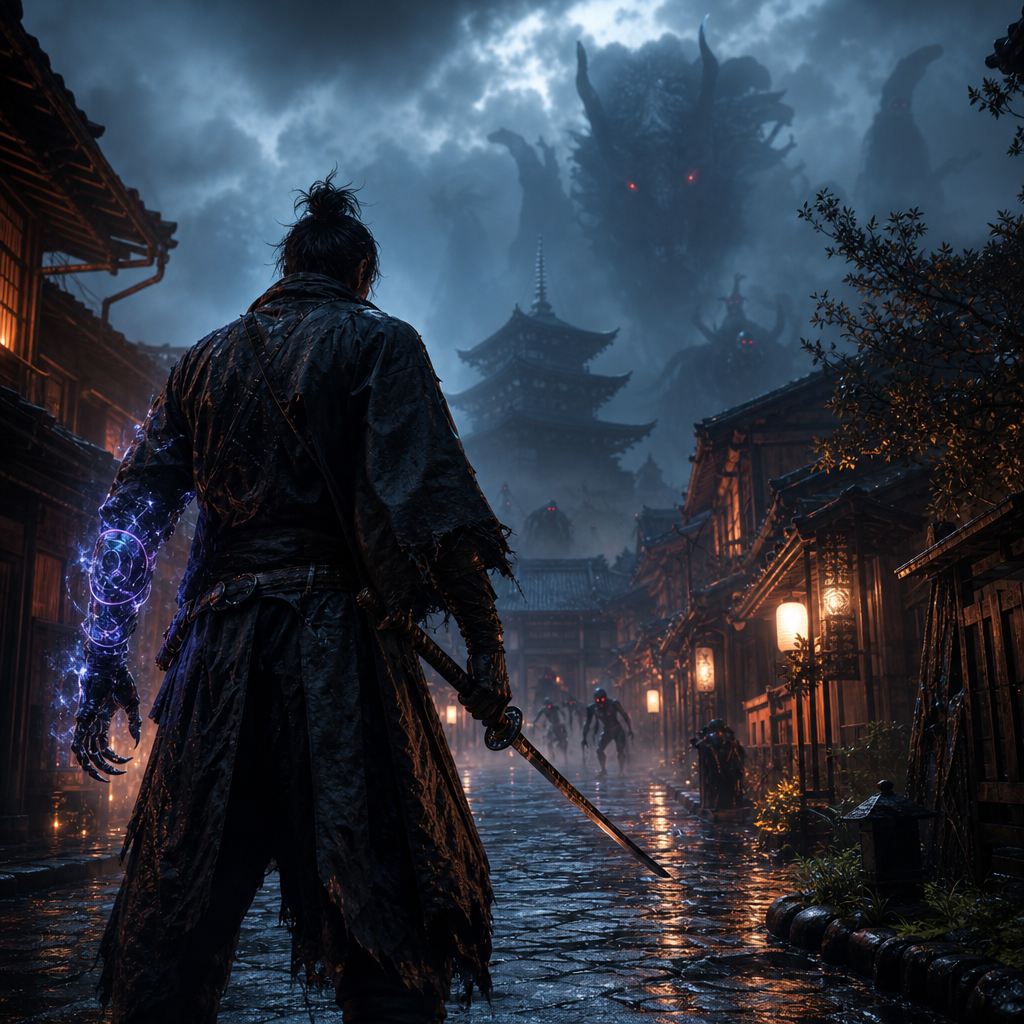
    The clearest shift is perspective and feel. Xbox Wire’s hands-on write-up describes a tighter over-the-shoulder action game built around legendary swordsman Miyamoto Musashi, eerie Edo-era Kyoto, and a heavier focus on parries, dodges, and cinematic finishing blows. The old Onimusha DNA is still there — especially the Issen counter system and soul absorption — but it sounds more like a modern third-person action game than a museum-piece revival.

    Capcom also seems to understand that atmosphere is doing a lot of the work here. Haunted Kyoto, yokai-inflected horror, and grotesque Genma monsters give it a stronger identity than a lot of clean, polished action games that blur together after one trailer. If you have been following Capcom’s other horror-leaning revival moves, including the recently confirmed Resident Evil Veronica remake news, this feels like part of the same broader confidence streak.

    Will it be too hard for normal people?

    This is the search-intent hook I think matters most. According to Capcom’s comments on Xbox Wire, Way of the Sword is not trying to be an ultra-punishing action game for masochists only. The team says it offers Story Mode and Action Mode, plus extra tuning options meant to make the experience more scalable.

    That does not mean it will be soft. The whole appeal still rests on timing, risk, and stylish swordplay. But it does suggest Capcom wants satisfaction over suffering, which honestly feels like the smarter commercial read in 2026. There is room for demanding combat. There is also room for a game that lets more players enjoy being a demon-cleaving Musashi without needing a support group afterwards.

    If you are searching for the quick verdict, here it is: Onimusha: Way of the Sword looks promising because the pitch is finally concrete — 25 September release date, demo live now, classic mechanics modernised, and difficulty that sounds adjustable instead of obnoxious. That is a much more convincing comeback story than “remember this old franchise?”

    Are you more interested in Onimusha because Capcom dropped a demo immediately, or do you still need one more killer trailer before this becomes a day-one game?

    Sources

  • Resident Evil Veronica Release Date: What Capcom Confirmed About the 2027 Remake

    Resident Evil Veronica Release Date: What Capcom Confirmed About the 2027 Remake

    Capcom has finally stopped pretending it could keep this one in the basement. Resident Evil Veronica is real, it is coming in 2027, and yes, it is the long-rumoured return of Code: Veronica with a modern name and a modern rebuild. If your main search right now is basically “what did Capcom actually confirm about Resident Evil Veronica?”, the clean answer is this: it is a full remake for PS5, Xbox Series X|S, PC, and Nintendo Switch 2, and Capcom is clearly treating it as a bigger deal than a throwaway nostalgia nod.

    That matters because Code: Veronica has spent years living in that awkward survival-horror zone where fans talked about it like an obvious remake candidate while Capcom kept moving on to other parts of the series. Now it is back, only with the word “Code” dropped from the title and a 2027 release window attached. That rename is small on paper, but it says something: Capcom seems to want this to land as a fresh headline release, not just a museum-piece resurrection for people who still remember the Dreamcast era.

    So what is the Resident Evil Veronica release date?

    Not an exact one yet. Capcom has only confirmed 2027 so far, which means no specific month, no pre-order date, and no price at the time of writing. That is slightly annoying, obviously, but it is also normal reveal-season behaviour. The useful bit is that the game is now public and attached to a real release year rather than rumour sludge.

    For search-intent purposes, that puts Resident Evil Veronica release date in the familiar Capcom holding pattern: officially announced, definitely coming, but still waiting for the proper deep-dive phase where the publisher starts talking editions, release timing, and exactly how much of the old structure survives the remake treatment.

    Why dropping “Code” from the title is interesting

    I do not think the rename is accidental tidying. Code: Veronica has always been important to long-time series fans, but it also sounds like a side file in the archive if you are a newer player who came in through the modern remakes. Resident Evil Veronica is cleaner, easier to search, and easier to market beside recent big-budget entries.

    That does not automatically mean Capcom is rewriting the game beyond recognition, but it does suggest the company wants this remake to feel more central to the series’ current direction. After a week already packed with big platform chatter — from our State of Play June 2026 highlights to the wider Summer Game Fest 2026 schedule rush — that is a smart move. Capcom is not just reviving an old favourite. It is making sure the reveal cuts through the noise.

    What Capcom seems to be selling this time

    Based on the reveal messaging so far, the pitch is familiar but effective: preserve the core identity, modernise the play, and make the whole thing look dramatically nastier. Push Square notes that Capcom is promising the essence of the original while layering in modernised gameplay, a reimagined storyline, and more detailed visuals. That is exactly the sort of language publishers use when they want old fans reassured and new players curious at the same time.

    The interesting question is how far Capcom goes with the reimagining. Code: Veronica has always had a slightly different reputation from the better-known early Resident Evil games. It is more operatic, more eccentric, and in places a bit less tidy. That is part of its charm, but it is also what makes this remake worth watching. If Capcom sands every strange edge off, it could end up polished but flatter. If it keeps some of that weirdness intact, Resident Evil Veronica could become one of the more interesting horror remakes in the current cycle.

    Should survival-horror fans get excited now?

    Honestly? Yes, with the usual cautious footnote attached. The 2027 window means this is still a little way off, so nobody should start planning their autumn backlog around it yet. But as a reveal, this works. It answers the biggest question — is Code: Veronica actually getting a modern remake? — with a very loud yes, and it gives Capcom a strong horror card to carry into next year.

    That is enough to make it matter now. Are you happy Capcom has finally brought Veronica back, or does dropping the “Code” already make you worry this remake will sand off too much of the original’s odd personality?

    Sources