Title Sonic the Hedgehog 2
Developer Sega Technical Institute
Publisher Sega
Year 1992
Platform focus Mega Drive / Genesis original release
Genre Platformer
Score 9 / 10
Sonic the Hedgehog 2 still turns up in one very practical retro search in 2026: what is the best classic Sonic game to actually play today, not just admire from a distance? I think Sega’s 1992 sequel still makes the strongest case. It is faster, cleaner, and more confident than the first game, but it also avoids feeling like a museum relic. Plenty of 16-bit favourites survive because they were important. Sonic 2 survives because the good bits still work instantly the moment your thumbs hit the pad.
That matters more than nostalgia. A lot of mascot platformers from the era feel cute until you ask them to be replayable. Sonic 2 still feels built for replay. The movement is snappy, the routes are easy to read at speed, and the game understands the basic pleasure of letting you feel slightly out of control without ever becoming total mush. In the same way Shinobi III still feels brilliant because Sega nailed momentum and responsiveness, Sonic 2 knows that game feel is not garnish. It is the whole point.
Why Sonic 2 Still Works
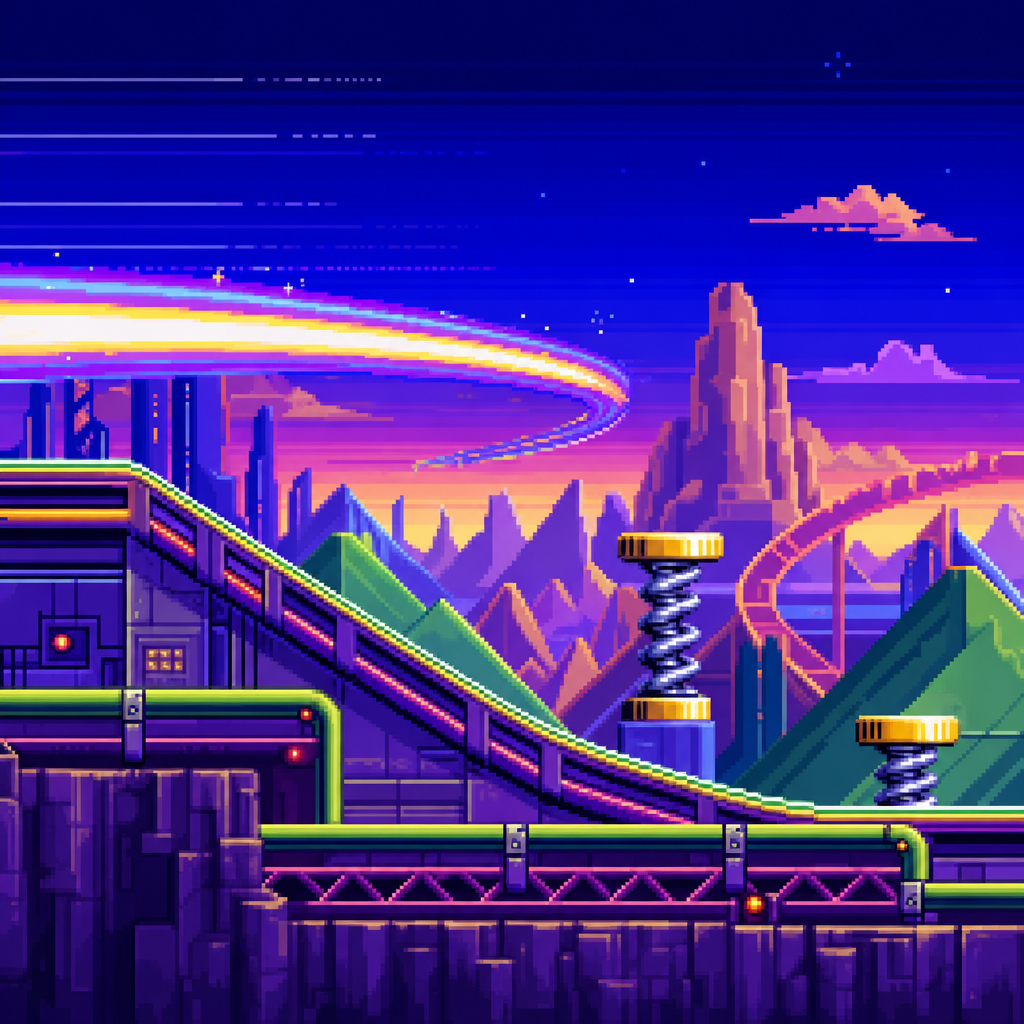
The first win is pace. Sonic 2 gets you moving quickly, and most of its best stages are designed around the thrill of carrying that speed through slopes, springs, loops, and split-second decisions. When people talk about old Sonic games aging badly, they are usually pointing at stop-start level design or cheap obstacle placement. Sonic 2 is not completely innocent there, but compared with many platformers of its time it still feels remarkably fluid.
It also helps that the sequel sharpens the spectacle. Chemical Plant, Casino Night, and Sky Chase all feel distinct without becoming gimmick museums. The visual themes are loud, the music is sticky, and the set pieces arrive before any one trick wears out its welcome. Like Gunstar Heroes at Treasure’s most exuberant, Sonic 2 understands that 16-bit excess can be a virtue when the controls are strong enough to support it.
Tails is another quiet reason the game holds up. As a co-op gimmick he is charming chaos, but even in solo play he gives Sonic 2 a warmer personality than the first game. The sequel feels bigger without becoming colder. It is still about speed, but it is also about bounce, colour, and the sense that Sega had fully figured out how to sell this world as an event.
Where the Age Shows
Sonic 2 is not perfect. The later zones can still be a bit mean in a very early-1990s way, especially when the game asks for precision after training you to chase flow. Metropolis Zone remains the obvious offender: longer than it needs to be, more fiddly than it should be, and a little too pleased with enemy placement that interrupts the fun rather than deepening it.
The special stages are another mixed blessing. Their pseudo-3D presentation was dazzling at the time and still has novelty, but they can feel slippery and slightly awkward compared with the main game’s cleaner strengths. If you are chasing every Chaos Emerald in 2026, you may admire the ambition a little more than the execution.
Why It Still Matters in 2026
Sonic the Hedgehog 2 still matters because it remains one of the clearest examples of how to make speed readable. Modern platformers often borrow the look of 16-bit games, but fewer capture that feeling of momentum, risk, and visual clarity all working together. Sonic 2 does. It understands that velocity only feels good when the player can parse the screen quickly enough to make meaningful choices.
It is also still one of the easiest entry points for anyone curious about Sega at its commercial peak. If you want to understand why the Mega Drive mattered, this is one of the first cartridges worth loading. It has the swagger, the soundtrack, and the mechanical snap of an era when Sega wanted every game to feel like it was trying to outrun the competition.
Verdict
Sonic the Hedgehog 2 is still an excellent retro recommendation in 2026. A few awkward late-game sections stop it feeling completely effortless, but the speed, spectacle, and responsiveness are still strong enough to make it one of the best classic platformers to revisit. If you are searching for the best old Sonic game, this is still the one I would hand over first.
9 / 10. Not flawless, but still fast, charismatic, and far more replayable than plenty of modern platformers that learned the wrong lessons from the 16-bit era.
- Play tip: Treat speed as a reward, not a permanent state. Sonic 2 feels best when you learn which slopes and springs earn safe momentum.
- Play tip: If Metropolis starts annoying you, slow down and read enemy patterns instead of forcing the pace the game used in earlier zones.
- Authority link: Wikipedia overview of Sonic the Hedgehog 2
- Authority link: Official Sonic Origins page from Sega
Where does Sonic 2 land for you now: still the best 16-bit Sonic, or has another hedgehog outing aged better in your eyes?