Tag: Sega

  • Shinobi III Review — Is Sega’s 1993 Mega Drive Ninja Classic Still Worth Playing in 2026?

    Shinobi III Review — Is Sega’s 1993 Mega Drive Ninja Classic Still Worth Playing in 2026?

    Title Shinobi III: Return of the Ninja Master
    Developer Sega
    Publisher Sega
    Year 1993
    Platform focus Mega Drive / Genesis original release
    Genre Action platformer / hack-and-slash
    Score 9 / 10

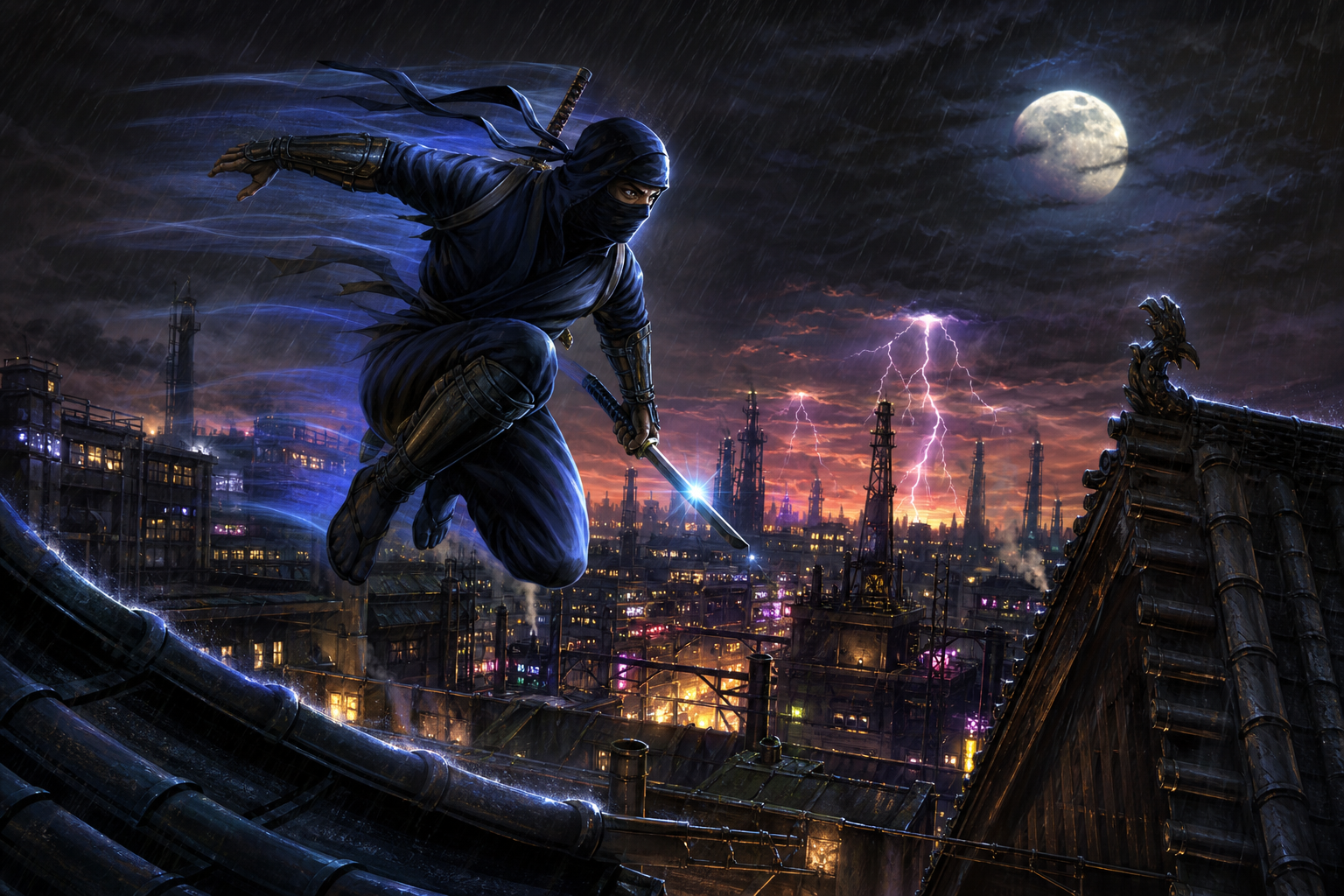
    Shinobi III: Return of the Ninja Master still answers a very specific retro question brilliantly in 2026: what Mega Drive action game feels fast, stylish, and genuinely worth replaying instead of merely respecting? Sega’s 1993 ninja sequel is not just a nostalgia pick. It is still one of the sharpest action platformers of the 16-bit era, with enough movement flair, visual variety, and mechanical confidence to make plenty of newer throwback games look timid.

    The first thing that grabs me is the sense of motion. Joe Musashi does not just run and slash; he tears through levels with a kind of elegant aggression. The sprinting attacks, wall jumps, air dashes, and flowing special moves make the whole game feel alive in your hands. Like Streets of Rage 2 at Sega’s bruising best, it understands how much game feel matters. Like Out Run at its most effortlessly cool, it sells speed and style so well that the years fall away once you start moving.

    Why Shinobi III Still Feels So Good

    A lot of retro action games earn admiration more easily than affection. Shinobi III manages both. The controls are crisp, but more importantly they are expressive. You are given just enough movement tricks to feel versatile without the game collapsing into chaos. One moment you are slicing through a line of soldiers on horseback; the next you are surfing across choppy water, clinging to a vertical shaft, or dodging attacks in a mechanical labyrinth. The set-pieces come quickly, but they do not feel like gimmicks. They feel like the game showing off how many rhythms its core move set can support.

    The presentation helps too. This is not the loudest or most detailed Mega Drive game ever made, but it is one of the slickest. Backgrounds shift from burning forests to industrial strongholds to biological weirdness, always with a clean silhouette that keeps the action readable. The soundtrack has that classic Sega drive to it as well: urgent, slightly metallic, and always pushing you forward. If your search intent is something like “best retro ninja game” or “Mega Drive action game that still holds up,” this is exactly the kind of answer that earns the click.

    I also like how economical it is. Shinobi III does not waste your time with bloat, and it does not need to. Stages are short enough to stay memorable, enemies are varied enough to keep you alert, and boss fights usually ask for observation rather than attrition. There is a confidence to that design. It knows what it is good at and keeps feeding you stronger versions of the same fantasy.

    Where the Age Shows

    It is not perfect. Some knockback and enemy placement can feel nastier than fair on a first run, especially when hazards stack up near platforming sections. The life system also belongs to an older arcade-minded design philosophy that can make late-level mistakes feel harsher than they need to. If you are coming in from modern action games that checkpoint generously and explain every system, there is a little adaptation required.

    The combat, for all its speed, is also lighter on tactical depth than a true character-action game. This is about precision, route-reading, and tempo rather than endless combo expression. That is not really a flaw, but it does set expectations. Shinobi III is at its best when you meet it on its own terms: a lean, stylish action platformer, not a sandbox for freestyle combat.

    Why It Still Matters in 2026

    Part of the reason Shinobi III still lands so well is that it feels curated. It was famously delayed before release, and that extra polish shows in the finished game. There is very little dead air. Nearly every stage introduces a fresh visual idea, a new threat pattern, or a twist on movement without losing the thread of what makes the game satisfying. That kind of discipline ages beautifully.

    It also still matters because it captures a very Sega kind of cool that is hard to fake. Not smug, not over-designed, just confident. The game trusts animation, pacing, and sharp response more than cutscenes or lore dumps. In 2026, when so many retro recommendations lean on historical importance first, Shinobi III is refreshing because the practical recommendation is so easy: yes, this is still fun right now.

    Verdict

    Shinobi III: Return of the Ninja Master remains one of the cleanest retro action recommendations on the Mega Drive. A few old-school spikes in difficulty and some arcade-era harshness stop it short of perfection, but the movement, pace, and style are still superb.

    9 / 10. If you want a retro ninja game that still feels fast, cool, and mechanically sharp in 2026, Shinobi III is an easy recommendation.

    • Play tip: Use the dash attack aggressively. It turns several enemy encounters from awkward stop-start scraps into smooth momentum kills.
    • Play tip: Do not hoard ninjutsu for a mythical perfect moment. A well-timed screen clear can save an entire run.
    • Authority link: Wikipedia overview for Shinobi III
    • Authority link: MobyGames entry for Shinobi III

    Where does Shinobi III sit on your personal Mega Drive list: near the top, or just below Sega’s absolute untouchables?

  • Streets of Rage 2 Review — Is Sega’s 1992 Mega Drive Brawler Still Worth Playing in 2026?

    Streets of Rage 2 Review — Is Sega’s 1992 Mega Drive Brawler Still Worth Playing in 2026?

    Title Streets of Rage 2
    Developer Sega
    Publisher Sega
    Year 1992
    Platform focus Mega Drive / Genesis original release
    Genre Beat ’em up
    Score 9 / 10

    Streets of Rage 2 has one of the easiest pitches in retro gaming: four characters, a city full of punks, and a soundtrack that still sounds like it is trying to start a fight. The real question in 2026 is not whether Sega’s 1992 brawler is historically important. It is whether it still feels worth playing when modern action games are faster, flashier and far less interested in quarter-munching restraint. If you are searching for the best old-school beat ’em up to revisit today, this is still near the top of the list.

    The reason is simple: Streets of Rage 2 understands impact. Every punch, throw and crowd-control move lands with a lovely chunkiness that makes the whole game feel readable and satisfying even now. Where some 16-bit brawlers become mushy once the screen fills up, this one keeps its spacing clear and its priorities obvious. Like Out Run at Sega’s arcade peak, it succeeds because it commits to clean feedback and a strong mood instead of drowning the player in clutter.

    Why Streets of Rage 2 Still Works

    The big win is pacing. Streets of Rage 2 never hangs around waiting for you to admire it. Enemies stream in fast enough to keep the pressure up, but not so chaotically that the game turns unreadable. There is always a little tactical puzzle underneath the button-mashing reputation: who to stun first, when to spend health on a special move, when to grab a weapon, and when to stop chasing damage so you do not get flanked by a cheap knife lunge.

    The character design helps enormously. Axel is the dependable all-rounder, Blaze stays quick and precise, Max hits like a truck, and Skate turns the whole game into a speed run with knees. None of them feel like joke options. They push the same campaign into slightly different rhythms, which gives repeat play a lot more life than many rival beat ’em ups from the era.

    Then there is the music. Yuzo Koshiro and Motohiro Kawashima gave the game a soundtrack that still feels weirdly futuristic: club beats, machine funk and tense little bursts of melody that make the city feel alive instead of generic. That matters more than people sometimes admit. Streets of Rage 2 is not just a good combat system carrying a famous name; it is a whole audiovisual identity. That is a big reason the series still matters whenever people talk about which classic Sega brands deserve modern revivals.

    Where the Age Shows

    It is not perfect. Enemy behaviour can still veer into arcade-era cheapness, especially when off-screen attacks or grab chains punish mistakes harder than they probably should. Some stages also run a little long compared with the best modern action games, and solo play exposes the repetition more than co-op does. This is one of those classics that improves the moment another person joins in.

    There is also a small learning curve hidden beneath the approachable surface. New players can get by on button presses for a while, but the game only really opens up once you start respecting spacing, knockdown control and the risk-reward trade of special attacks. That is not a flaw exactly, though it does mean the first session can feel rougher than nostalgia tends to advertise.

    Why It Still Matters in 2026

    What keeps Streets of Rage 2 alive is that it still answers a search people genuinely have: what is the retro co-op action game that remains instantly fun without a giant time investment? You can load it up, understand the rules in seconds, and get that glorious feeling of cleaning house with a friend before the tea goes cold. Plenty of revered retro games are easier to respect than to enjoy. Streets of Rage 2 still does both.

    It also remains a useful reminder that “simple” and “shallow” are not the same thing. The move set is not massive, but the game keeps extracting drama from position, timing and tempo. That is why it has aged better than so many other brawlers with bigger sprites and less discipline. In a retro scene full of collector talk and revival branding, this is one of the clearest examples of a game surviving because the fundamentals were right the first time.

    Verdict

    Streets of Rage 2 is still one of the best beat ’em ups you can play in 2026: tough, stylish, sharply paced and loaded with enough personality to keep every stage moving. A little arcade cheapness and some late-game repetition stop it short of perfection, but not by much.

    9 / 10. If you want one Mega Drive game to explain why Sega’s 16-bit reputation still carries so much weight, this is a very strong place to start.

    Where do you rank Streets of Rage 2 among the all-time beat ’em ups — still the king, or has another brawler finally taken the crown?

  • Out Run Review — Is Sega’s 1986 Arcade Racer Still Worth Playing in 2026?

    Out Run Review — Is Sega’s 1986 Arcade Racer Still Worth Playing in 2026?

    Title Out Run
    Developer Sega AM2
    Publisher Sega
    Year 1986
    Platform focus Arcade original release
    Genre Racing game
    Score 9 / 10

    Out Run is one of those retro games people think they remember perfectly: red car, blue sky, palm trees, impossible cool. The real question in 2026 is whether Sega’s arcade road trip still works once the nostalgia fog clears and you judge it next to decades of faster, louder, more detailed racers. If you are searching for whether Out Run is still worth playing today, the short answer is yes — and the better answer is that it still understands something many modern driving games forget.

    Out Run is not really about realism, progression systems, or grinding for better parts. It is about motion, mood and clarity. Every second of Sega AM2’s 1986 classic is built to make you feel like you are escaping into summer at irresponsible speed. That is why it still lands. Like the best old arcade games, it picks a fantasy, strips away the clutter, and commits to it completely. If Bubble Bobble still feels fresh because of its elegant arcade design, Out Run survives for a similar reason: it knows exactly what to keep and what to leave out.

    Why Out Run Still Feels Great

    The first thing Out Run gets right is readability. The road bends hard, traffic weaves unpredictably, and the scenery changes in huge colourful chunks, but the game never becomes visually muddy. You can read the space in front of you almost instantly. That makes mistakes feel fair, even when they are slightly ridiculous. You crashed because you got greedy, not because the game buried you in noise.

    Then there is the sense of rhythm. Out Run is not a circuit racer in the modern sense. It is closer to a playable postcard album, with each fork in the road promising a new backdrop and a slightly different mood. Beaches give way to deserts, mountains, forests and city lights, and each route keeps the same essential fantasy alive while changing the texture around it. That structure still feels clever because it turns short arcade runs into stories. You are not just chasing a time extension; you are choosing what kind of road trip you want.

    The soundtrack helps enormously. Hiroshi Kawaguchi’s music is still a huge part of the game’s charm, and the ability to pick a track at the start remains one of the coolest little touches in arcade history. It sells Out Run as style first, score chase second. That emphasis on mood is a big reason the game still feels modern in spirit, even if the technology obviously is not.

    Where the Age Shows

    Out Run is not flawless in 2026. Collisions can feel abrupt, the traffic patterns occasionally border on rude, and long play sessions reveal how much of the experience is carried by presentation and route variety rather than deep mechanical complexity. If you want precise simulation handling, meaningful car tuning or a giant career ladder, this is the wrong game by design.

    There is also the old arcade truth that success and memorisation are close friends. The more you learn route layouts and hazard timing, the more comfortable the game becomes. That is satisfying, but it can make newcomers bounce off after a few messy runs. Out Run asks for a little patience before its flow state really clicks.

    Why It Matters in 2026

    Part of Out Run’s staying power is historical. It is one of Sega’s defining arcade statements, and you can still feel echoes of it whenever modern racing games try to sell freedom, glamour or pure scenic momentum. But history alone does not keep a game alive. What keeps Out Run alive is that it remains immediately enjoyable. You can boot it up, understand its fantasy in seconds, and have a good time before your coffee cools down.

    That matters in the current retro wave. We keep seeing old series and aesthetics come back because players still want games with a strong point of view, whether that means watching Sega’s classic brands circle back into relevance or revisiting arcade-era design through modern collections and ports. Out Run is a reminder that slick presentation and mechanical focus were never opposites. The best retro games did both.

    Verdict: Out Run is still an easy recommendation. It is short, stylish, instantly readable and far more transportive than many bigger racing games. A few harsh collisions and some arcade-era repetition stop it from feeling completely timeless, but the fantasy is still magnificent.

    If you revisit Out Run now, do you still play for the branching routes and soundtrack, or do you think later arcade racers left it behind?

    Further reading: MobyGames entry for Out Run | Wikipedia overview of Out Run

  • Sega’s Classic Reboots Survived the Super Game Cancellation — What It Means for Crazy Taxi, Jet Set Radio and More

    Sega’s Classic Reboots Survived the Super Game Cancellation — What It Means for Crazy Taxi, Jet Set Radio and More

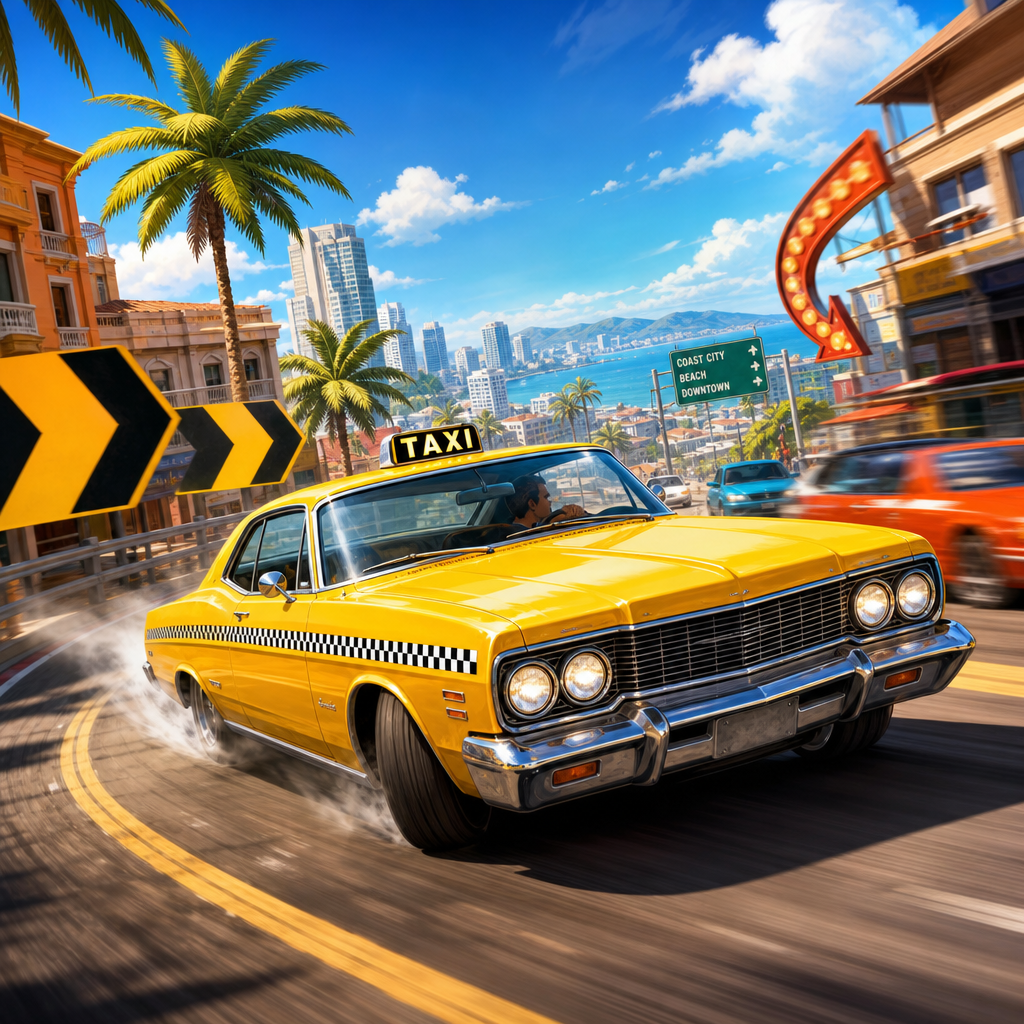
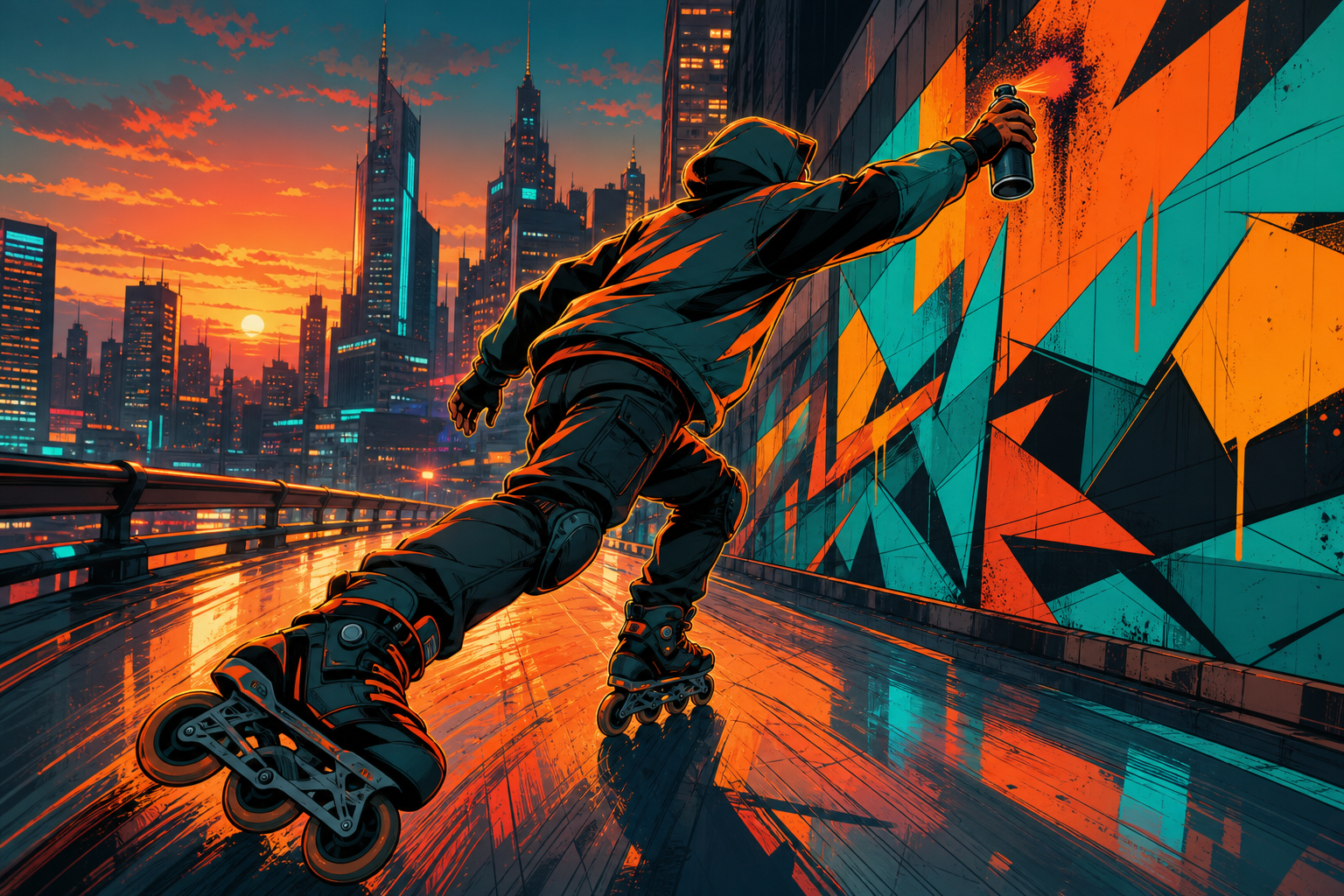
    Sega has killed off its long-teased Super Game project, but the part retro fans actually care about is still alive. According to Sega Sammy’s latest financial presentation, the publisher’s revivals of Crazy Taxi, Jet Set Radio, Streets of Rage and Golden Axe are all still in development, with release plans stretching into the financial year ending March 2027 and beyond.

    If your search query today is basically “did Sega cancel the classic reboots too?”, the short answer is no. The giant all-purpose corporate moonshot is gone. The beloved old series are still on the board.

    What Sega actually confirmed

    The important bit comes from Sega Sammy’s Q4 materials. The company quietly confirmed that Super Game has been cancelled, but multiple legacy revivals remain part of the release pipeline. VGC reports that the four big reboots first teased at The Game Awards 2023 — Crazy Taxi, Jet Set Radio, Golden Axe and Streets of Rage — are still marked for future release, alongside the new Virtua Fighter project and the Alien: Isolation sequel.

    Nintendo Life’s coverage points in the same direction. Sega’s financial slides still list multiple classic properties under upcoming plans, with official titles and dates apparently still to come later. So while Sega is clearly rethinking the bigger “gaming ecosystem” dream, it is not backing away from mining its best-loved history.

    Why retro fans should care

    This matters because Sega’s back catalogue is not just decorative nostalgia. These are series with very specific identities that modern publishers rarely bother to preserve. Crazy Taxi is not merely “a driving game”. Jet Set Radio is not merely “an action game with roller skates”. Streets of Rage and Golden Axe come with entire textures, rhythms and moods attached to them. If Sega gets these revivals right, it is not just reviving brands. It is reviving design languages.

    That is why the wider retro revival still has real weight in 2026. People are not only buying old games because they miss being younger. They are going back because a lot of those games still feel sharper, stranger and more authored than the safe middle of today’s blockbuster catalogue. We have been seeing that again even in our own recent retro coverage, from the brutally individual architecture of Jet Set Willy to the puzzle-box brilliance of Head Over Heels.

    The risk: modern reboots love the brand more than the feel

    There is a catch, obviously. Plenty of publishers know how to resurrect a logo and almost none know how to resurrect a vibe. Sega’s own early descriptions sound promising — VGC notes that the new Jet Set Radio is pitched as a counter-culture Tokyo open world, while Streets of Rage is still being framed as side-scrolling beat-’em-up action — but descriptions are easy. The hard part is knowing what must stay rough-edged, stylish or gloriously silly.

    Crazy Taxi without that reckless arcade momentum is just transport with attitude problems. Golden Axe without weighty melee, absurd fantasy swagger and co-op chaos is just another fantasy action game fighting for oxygen. Sega does not need these reboots to be bigger than everything else. It needs them to feel unmistakably themselves within thirty seconds.

    Happy Fragger take

    Honestly, I’m glad Super Game got sacrificed before the old legends did. “One giant platform-scale mega-strategy thing” always sounded like the sort of boardroom phrase that eventually produces an expensive shrug. Crazy Taxi, Jet Set Radio, Streets of Rage and Golden Axe are much better bets because each already knows what it is supposed to be.

    Now Sega just has to resist the usual temptation to sand off the personality in search of broader appeal. If these revivals land with conviction rather than market-tested mush, they could become some of the most interesting retro-comeback stories of the next year. If not, we will get a few pretty trailers and another reminder that classic names are easier to reboot than classic instincts.

    Either way, the key update is simple: Sega’s classic reboots are still alive, and retro players should keep watching. Which one are you most worried Sega might mess up — and which one are you secretly most hopeful about?

    Sources