Title Contra III: The Alien Wars
Developer Konami
Publisher Konami
Year 1992
Platform focus SNES original release
Genre Run and gun / action shooter
Score 8 / 10
Contra III: The Alien Wars still answers a very evergreen retro question in 2026: if you want a loud, difficult SNES action game that gets straight to the point, is this one still actually worth playing? I think yes — with a small warning label attached. Konami’s 1992 run-and-gun classic is still a tremendous adrenaline hit. It is fast, nasty, inventive, and completely uninterested in wasting your time. The catch is that it also expects you to meet it on its own terms, and those terms are often brutal.
That tension is exactly why the game still matters. Contra III is not polished into modern smoothness, but it has a kind of arcade honesty that plenty of newer action games never quite manage. Every stage feels built to escalate pressure rather than show off bloat. Where Gunstar Heroes turns 16-bit chaos into a playful fireworks show, Contra III feels sterner and meaner. And where Mega Man X is all about precision and momentum, Contra’s thrill comes from surviving a battlefield that seems actively offended by your existence.
Why Contra III Still Feels So Good
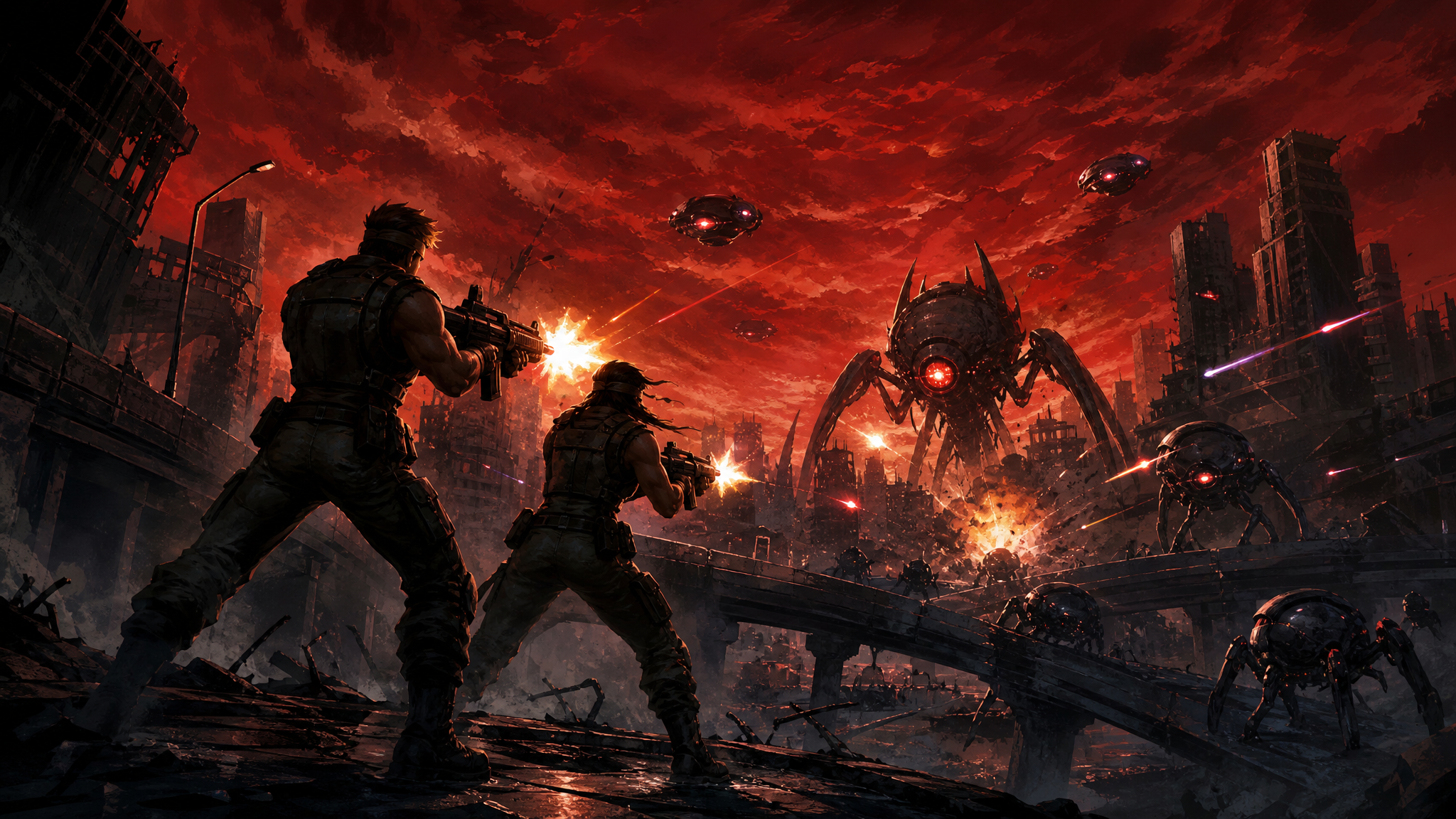
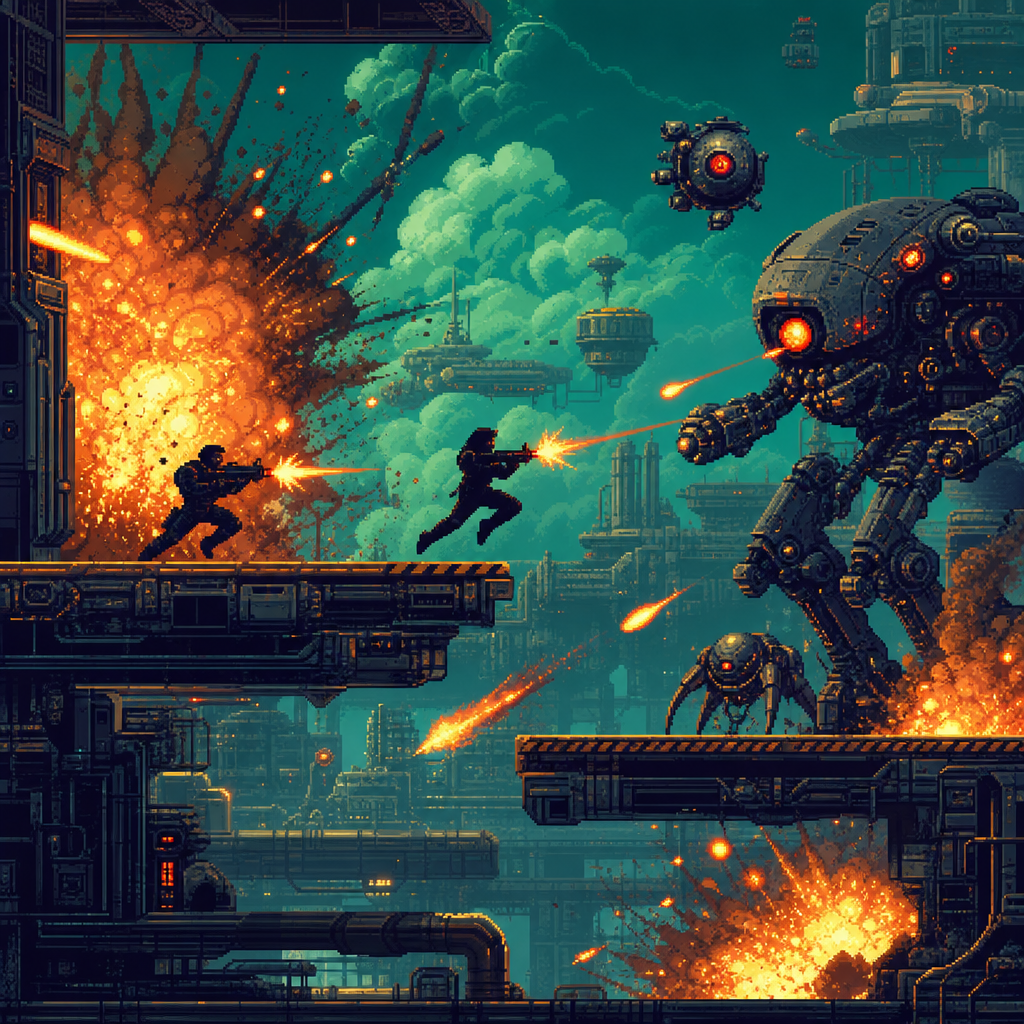
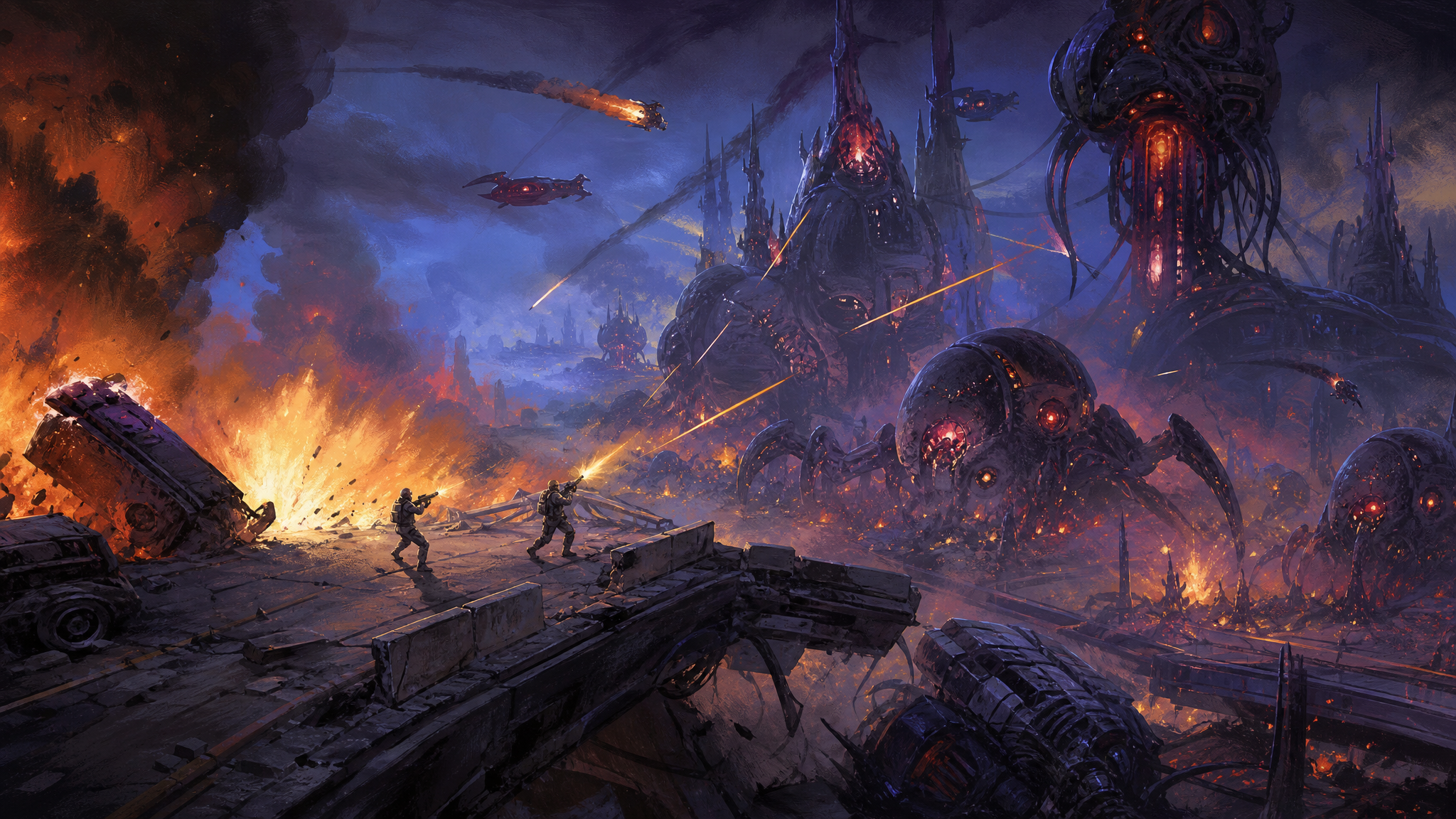
The first thing that still lands is commitment. Contra III never half-steps into its premise. The explosions are huge, the bosses are absurd, the screen is constantly busy, and the soundtrack does its best to bully you forward. It feels like a game built by people who understood that action needs rhythm as much as spectacle. Stages shift between straightforward side-scrolling firefights and the famous overhead sequences, and even when those Mode 7 sections divide opinion, they stop the campaign from feeling mechanically flat.
I also still love how direct the whole thing is. There is no fluff between the good parts because the entire game is the good part, or at least that is the design intent. Weapons matter immediately, enemy patterns need reading straight away, and boss encounters are memorable because they feel like tests rather than cutscenes with health bars attached. The ability to carry two weapons and swap between them gives the game just enough tactical texture without slowing its pace down.
Where the Age Shows
The obvious problem is difficulty. Contra III can absolutely feel exhilarating, but it can also feel punishing in a way that narrows its audience. Some deaths teach clean lessons. Others feel like the game reminding you that memorisation is part of the deal whether you like it or not. If you come in hoping for a relaxed nostalgia replay, this thing can swat that idea out of your hands very quickly.
There is also some old-hardware strain visible in the presentation. The slowdown can get noticeable when explosions, enemies, and projectiles all pile up together, which is fittingly dramatic but not always ideal for a precision action game. The overhead stages remain the most awkward part of the package too. I admire them more than I love them. They add variety and technical flair, but they are less elegant than the side-scrolling material, which is where the game’s real magic lives.
Why It Still Matters in 2026
Contra III still matters because it is one of the cleanest examples of the SNES being allowed to act vicious rather than merely charming. So much retro conversation ends up orbiting comfort-food classics, but this game reminds you how exciting the era could be when it wanted to feel aggressive. If you are searching for the best hard SNES action game, one of the strongest retro co-op tests, or a run-and-gun that still feels genuinely intense, it absolutely deserves to stay in the conversation.
It also works as a useful contrast piece next to other 16-bit greats. Shinobi III is smoother and more graceful. Streets of Rage 2 is more generous and immediately social. Contra III, by comparison, is a stress test. That is exactly why some players will bounce off it and others will adore it.
Verdict
Contra III: The Alien Wars is still one of the SNES library’s most ferocious action games: thrilling, memorable, and refreshingly free of dead air. Its harsher difficulty spikes, occasional slowdown, and less graceful overhead experiments stop it short of true all-timer perfection for me, but the core side-scrolling action still rules.
8 / 10. If you want a retro shooter that still feels intense rather than merely historic, Contra III is easy to respect and, with the right mood, very easy to love.
- Play tip: Treat weapon pickups as tools for specific situations, not permanent upgrades you should cling to at all costs.
- Play tip: If the game starts feeling unfair, slow your rhythm down and learn one ugly section at a time; Contra rewards pattern recognition more than panic heroics.
- Authority link: Wikipedia overview of Contra III: The Alien Wars
- Authority link: MobyGames entry for Contra III: The Alien Wars
When you go back to Contra III now, does the difficulty still feel electrifying, or does it finally cross the line into old-school punishment for you?