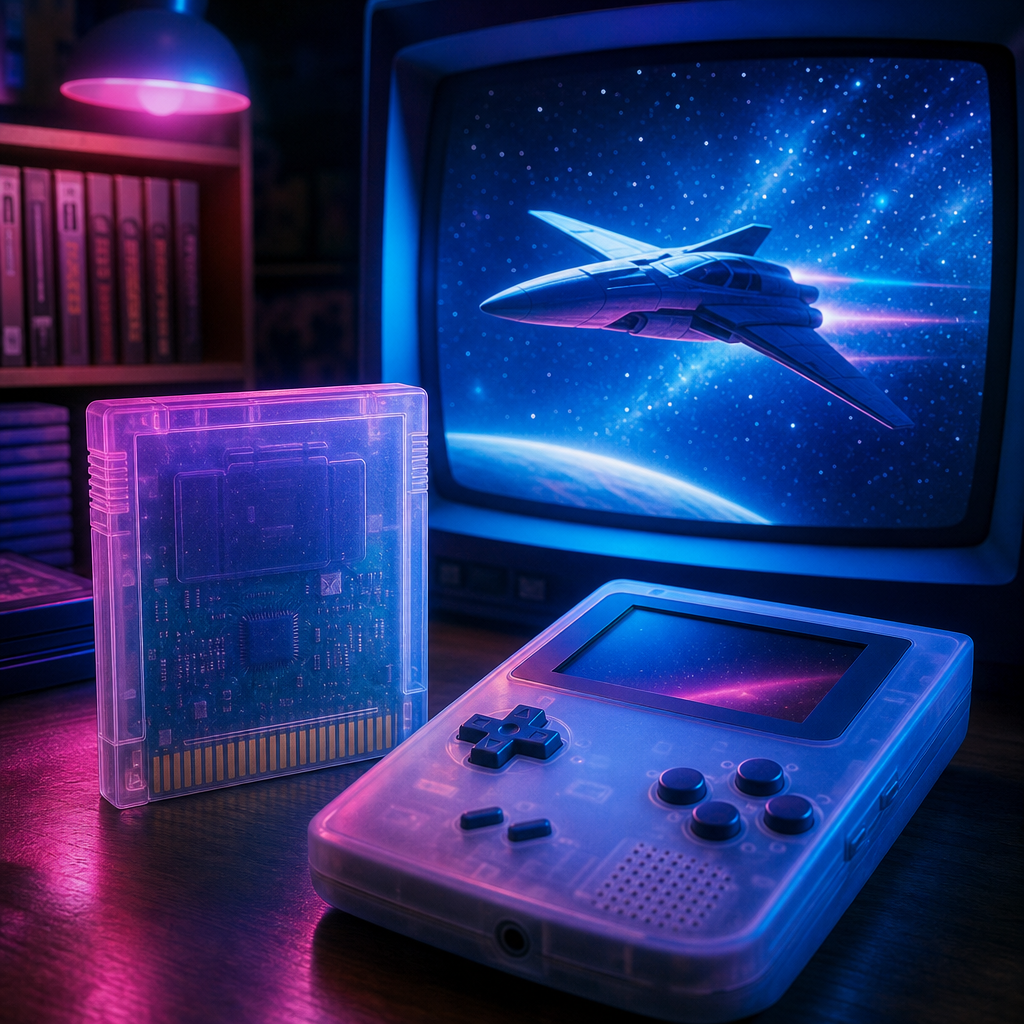
Limited Run’s new R-Type DX Collector’s Edition answers a very practical retro question: if you want the pre-order date, the price, and a clear sense of whether this Game Boy Color release is actually worth buying, the short version is this. Pre-orders open on Tuesday, September 15 at 5pm BST, the cartridge costs £46 on Limited Run’s UK store, and the package looks aimed squarely at the sort of player who still gets a little thrill from a proper manual, display-worthy packaging, and a shooter with real pedigree behind it.
That matters because R-Type DX is not just a random logo drag from the vault. The 1999 Game Boy Color release bundles the handheld versions of R-Type and R-Type II, then adds a combined DX mode on top. If your interest is half collector itch and half “what is the best physical way to revisit old handheld shmups in 2026?”, this is one of the tidier retro packages I have seen lately.
When do R-Type DX pre-orders open, and what do they cost?
According to Limited Run’s store listing, the R-Type DX Collector’s Edition opens for pre-order on September 15 and stays up until November 1, 2026 at 11:59pm Eastern. The Game Boy / Game Boy Color cartridge itself is listed at £46 on the UK storefront, while matching soundtrack extras are split into a £21 CD and a £31 vinyl edition. Limited Run also says the item is currently in pre-production and is expected to ship in spring 2027.
That timing makes this feel less like a panic-buy scramble and more like a proper collector decision. You have time to think about it, which is refreshing for a retro scene that too often lives on FOMO fumes.
What is actually in the box?
The headline item is a cosmic cartridge for Game Boy and Game Boy Color hardware, with the note that only the original monochrome versions of R-Type and R-Type II are playable on original Game Boy systems. On compatible colour hardware, you get five versions in one cart: both games in original mode, both in colour-enhanced mode, plus a new R-Type DX mode that combines the two into one continuous run.
Limited Run is also packing in a full-colour instruction manual and numbered deluxe hardcover cartridge packaging. That last bit is probably the real selling point for collectors. Plenty of modern retro reissues are useful but forgettable; this one is clearly trying to look like an object you would actually want on a shelf.
The companion soundtrack releases help sell the mood, too. Both use artwork by Paul “OTAKING” Johnson, and both include an interview with producer Nobuhiro Yoshikawa. If you are the sort of person who thinks old shooter music deserves a life beyond emulator menus, the extras are unusually thoughtful.
Why this matters more than another nostalgia reprint
Retro re-releases are easy to announce and harder to make genuinely interesting. What I like here is that this release understands the difference between preserving a game and merely reprinting its name. The five-in-one format gives the package a useful play angle, not just a display angle, and R-Type is a good enough series to justify that effort. If you want the broader “does the game itself still deserve your time?” argument, Happy Fragger already tackled the arcade original in our R-Type review.
It also fits the same wider retro pattern we have been seeing all year: publishers do better when they make old games easy to buy, easy to understand, and a little bit special. That is why official access stories land so well, whether it is a newly playable oddity like Super Bomberman: Panic Bomber W or a hardware-and-collector hook like our earlier Evercade Neo Geo cartridge roundup. Good retro publishing in 2026 is not just about nostalgia. It is about reducing friction.
Is the R-Type DX Collector’s Edition worth buying?
If you only want the cheapest way to play old shmups, probably not. This is still a collector-minded physical release, and £46 is not impulse-buy money for a Game Boy Color cartridge. But if you are specifically searching for R-Type DX pre-order details, wondering what comes in the box, or weighing whether this is one of the more tasteful retro reissues of the year, I think the answer is a qualified yes.
The appeal is simple: a respected handheld version of a classic shooter series, a generous five-mode setup, smart packaging, and enough care around the presentation that it does not feel like a lazy archive dump. That is a better pitch than many nostalgia products manage.
The short answer for searchers
So, if you came here searching for R-Type DX Collector’s Edition pre-order date, price, and contents: pre-orders open September 15, the cartridge is £46, it includes five playable versions across R-Type and R-Type II, and it looks most worth buying if you care about physical retro collecting as much as the game itself.
Honestly, that is the nicest thing about this release. It is not pretending to reinvent R-Type. It is just giving one of Game Boy Color’s better shooter packages a cleaner, more collectible second life. Are you tempted by the cartridge itself, or do the Johnson artwork and soundtrack extras make this the kind of retro release you would actually pre-order?
Sources