Tag: Mega Drive

  • Gunstar Heroes Review — Is Treasure’s 1993 Mega Drive Run-and-Gun Masterpiece Still Worth Playing in 2026?

    Gunstar Heroes Review — Is Treasure’s 1993 Mega Drive Run-and-Gun Masterpiece Still Worth Playing in 2026?

    Title Gunstar Heroes
    Developer Treasure
    Publisher Sega
    Year 1993
    Platform focus Mega Drive / Genesis original release
    Genre Run-and-gun / action platformer
    Score 9 / 10

    Gunstar Heroes still feels like one of the best answers to a simple retro question in 2026: what 16-bit action game delivers pure joy the moment you press start? Treasure’s 1993 Mega Drive showpiece is loud, messy, inventive, and almost absurdly energetic, but that chaos is exactly why it still works. This is not a museum piece you politely admire for historical reasons. It is a real, living recommendation for anyone searching for the best Mega Drive run-and-gun, or just a retro game that still knows how to hit the gas.

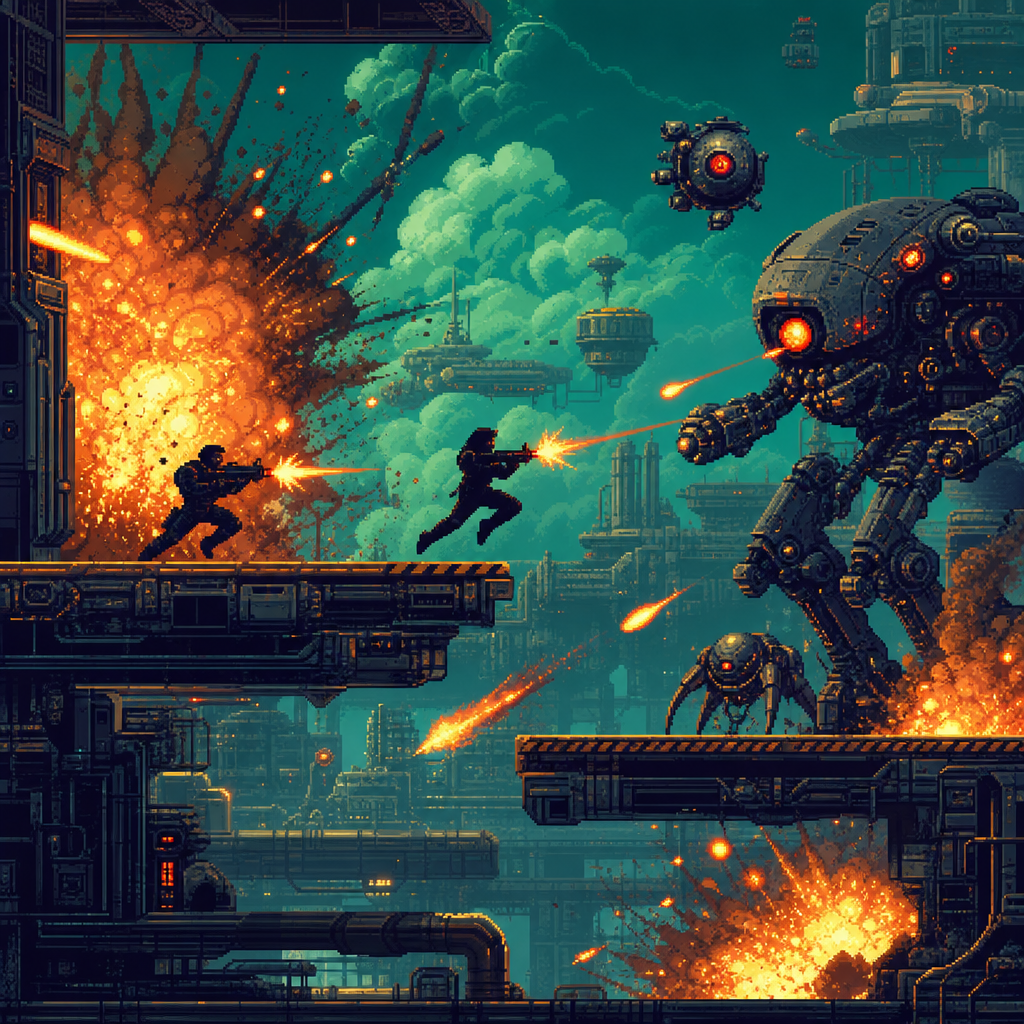
    What grabs me first is how aggressively creative it is. Plenty of old action games give you enemies, jumps, and bullets. Gunstar Heroes gives you mine carts, collapsing dice palaces, multi-phase robot duels, screen-filling bosses, and weapon combinations that feel like a toy box designed by caffeine addicts. Like Shinobi III at full sprint, it understands how much momentum matters. Like Streets of Rage 2 at Sega’s most swaggering, it still sells impact better than plenty of newer throwback games.

    Why Gunstar Heroes Still Rules

    The big reason Gunstar Heroes holds up is that it never settles into autopilot. Even when you understand the basic move set, the game keeps twisting the rules just enough to stay surprising. The famous weapon-combine system helps: fire, laser, chaser, and force are all useful on their own, but mixing them turns the game into a small strategy experiment. You can play safe, play loud, or play like a complete menace. That flexibility gives repeat runs genuine flavour.

    The boss design is also still sensational. Treasure’s best work always feels half action game, half fireworks display, and Gunstar Heroes might be the purest version of that. Fights are theatrical without becoming unreadable. Huge mechanical monsters, weird screen tricks, and sudden tempo changes make each battle feel memorable instead of interchangeable. If someone lands on Happy Fragger looking for “is Gunstar Heroes still worth playing?” the easy answer is yes, partly because so many of its set-pieces still feel fresher than modern retro pastiche.

    I also love the co-op energy baked into it. Even solo, the game has that arcade-adjacent sense of shared chaos, as if it expects you to shout at the screen when the room fills with projectiles. In two-player mode it becomes even better: not elegant exactly, but gloriously alive. That rough-edged excitement is part of the appeal. Gunstar Heroes is not trying to be cool and composed. It wants to overwhelm you, then make you laugh about surviving it.

    Where the Age Shows

    For all its brilliance, the game is not frictionless. Some visual clutter can make first-time runs feel more confusing than fair, especially during the busiest boss encounters. The physics also have a slightly floaty looseness compared with the razor-clean precision of some other 16-bit action classics. Once you adjust, it mostly clicks, but there is a learning curve if you are coming from modern games with stricter readability and more generous checkpointing.

    The pacing can be a touch exhausting too. That sounds like praise, and mostly it is, but Gunstar Heroes is so eager to top itself that it occasionally sacrifices breathing room. Not every player wants nonstop escalation. Some will prefer the more measured rhythm of games built around cleaner pattern recognition and less sensory overload.

    Why It Still Matters in 2026

    What makes Gunstar Heroes special now is that it still feels brave. It comes from a period when big 16-bit action games were competing on spectacle, but Treasure pushed beyond spectacle into personality. The animation is exaggerated, the bosses are borderline ridiculous, and the whole game radiates confidence. That kind of design ages well because it is not chasing realism or fashion. It is chasing delight.

    It also remains an important recommendation because it shows how much variety the Mega Drive could deliver at its peak. When people reduce the system to a handful of usual suspects, Gunstar Heroes is a reminder that some of its finest games were the ones willing to be a little unruly. In 2026, with retro players constantly asking which 16-bit games genuinely deserve their time, this is still near the front of the queue.

    Verdict

    Gunstar Heroes remains one of the most exhilarating action games on the Mega Drive: inventive, explosive, and still packed with ideas that feel bolder than they should for 1993. A bit of clutter and some old-school chaos stop it short of absolute perfection, but the highs are outrageous.

    9 / 10. If you want a retro run-and-gun that still feels thrilling, playful, and gloriously over-the-top in 2026, Gunstar Heroes is an easy recommendation.

    • Play tip: Try the homing chaser mix on a first run. It sacrifices some raw punch, but it makes the game’s busiest fights far easier to read.
    • Play tip: Use the fixed-shot stance when bosses crowd the screen. It turns frantic movement into something much more controlled.
    • Authority link: Wikipedia overview for Gunstar Heroes
    • Authority link: MobyGames entry for Gunstar Heroes

    Where does Gunstar Heroes land for you: all-time Mega Drive top tier, or just a brilliant chaos machine you admire more than love?

  • Shinobi III Review — Is Sega’s 1993 Mega Drive Ninja Classic Still Worth Playing in 2026?

    Shinobi III Review — Is Sega’s 1993 Mega Drive Ninja Classic Still Worth Playing in 2026?

    Title Shinobi III: Return of the Ninja Master
    Developer Sega
    Publisher Sega
    Year 1993
    Platform focus Mega Drive / Genesis original release
    Genre Action platformer / hack-and-slash
    Score 9 / 10

    Shinobi III: Return of the Ninja Master still answers a very specific retro question brilliantly in 2026: what Mega Drive action game feels fast, stylish, and genuinely worth replaying instead of merely respecting? Sega’s 1993 ninja sequel is not just a nostalgia pick. It is still one of the sharpest action platformers of the 16-bit era, with enough movement flair, visual variety, and mechanical confidence to make plenty of newer throwback games look timid.

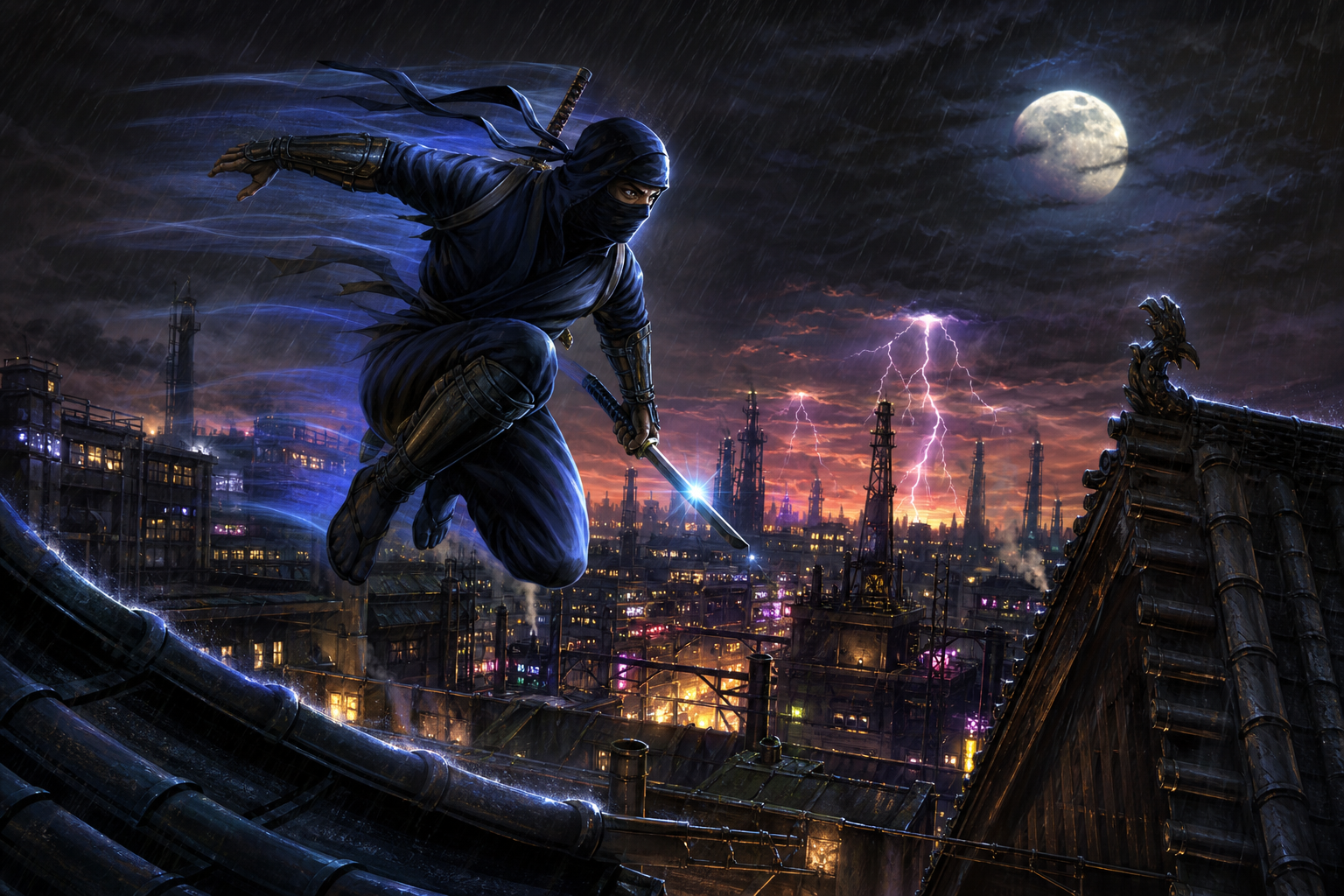
    The first thing that grabs me is the sense of motion. Joe Musashi does not just run and slash; he tears through levels with a kind of elegant aggression. The sprinting attacks, wall jumps, air dashes, and flowing special moves make the whole game feel alive in your hands. Like Streets of Rage 2 at Sega’s bruising best, it understands how much game feel matters. Like Out Run at its most effortlessly cool, it sells speed and style so well that the years fall away once you start moving.

    Why Shinobi III Still Feels So Good

    A lot of retro action games earn admiration more easily than affection. Shinobi III manages both. The controls are crisp, but more importantly they are expressive. You are given just enough movement tricks to feel versatile without the game collapsing into chaos. One moment you are slicing through a line of soldiers on horseback; the next you are surfing across choppy water, clinging to a vertical shaft, or dodging attacks in a mechanical labyrinth. The set-pieces come quickly, but they do not feel like gimmicks. They feel like the game showing off how many rhythms its core move set can support.

    The presentation helps too. This is not the loudest or most detailed Mega Drive game ever made, but it is one of the slickest. Backgrounds shift from burning forests to industrial strongholds to biological weirdness, always with a clean silhouette that keeps the action readable. The soundtrack has that classic Sega drive to it as well: urgent, slightly metallic, and always pushing you forward. If your search intent is something like “best retro ninja game” or “Mega Drive action game that still holds up,” this is exactly the kind of answer that earns the click.

    I also like how economical it is. Shinobi III does not waste your time with bloat, and it does not need to. Stages are short enough to stay memorable, enemies are varied enough to keep you alert, and boss fights usually ask for observation rather than attrition. There is a confidence to that design. It knows what it is good at and keeps feeding you stronger versions of the same fantasy.

    Where the Age Shows

    It is not perfect. Some knockback and enemy placement can feel nastier than fair on a first run, especially when hazards stack up near platforming sections. The life system also belongs to an older arcade-minded design philosophy that can make late-level mistakes feel harsher than they need to. If you are coming in from modern action games that checkpoint generously and explain every system, there is a little adaptation required.

    The combat, for all its speed, is also lighter on tactical depth than a true character-action game. This is about precision, route-reading, and tempo rather than endless combo expression. That is not really a flaw, but it does set expectations. Shinobi III is at its best when you meet it on its own terms: a lean, stylish action platformer, not a sandbox for freestyle combat.

    Why It Still Matters in 2026

    Part of the reason Shinobi III still lands so well is that it feels curated. It was famously delayed before release, and that extra polish shows in the finished game. There is very little dead air. Nearly every stage introduces a fresh visual idea, a new threat pattern, or a twist on movement without losing the thread of what makes the game satisfying. That kind of discipline ages beautifully.

    It also still matters because it captures a very Sega kind of cool that is hard to fake. Not smug, not over-designed, just confident. The game trusts animation, pacing, and sharp response more than cutscenes or lore dumps. In 2026, when so many retro recommendations lean on historical importance first, Shinobi III is refreshing because the practical recommendation is so easy: yes, this is still fun right now.

    Verdict

    Shinobi III: Return of the Ninja Master remains one of the cleanest retro action recommendations on the Mega Drive. A few old-school spikes in difficulty and some arcade-era harshness stop it short of perfection, but the movement, pace, and style are still superb.

    9 / 10. If you want a retro ninja game that still feels fast, cool, and mechanically sharp in 2026, Shinobi III is an easy recommendation.

    • Play tip: Use the dash attack aggressively. It turns several enemy encounters from awkward stop-start scraps into smooth momentum kills.
    • Play tip: Do not hoard ninjutsu for a mythical perfect moment. A well-timed screen clear can save an entire run.
    • Authority link: Wikipedia overview for Shinobi III
    • Authority link: MobyGames entry for Shinobi III

    Where does Shinobi III sit on your personal Mega Drive list: near the top, or just below Sega’s absolute untouchables?