Tag: Konami

  • Castlevania: Bloodlines Review — Is Konami’s 1994 Mega Drive Gothic Classic Still Worth Playing in 2026?

    Castlevania: Bloodlines Review — Is Konami’s 1994 Mega Drive Gothic Classic Still Worth Playing in 2026?

    Title Castlevania: Bloodlines
    Developer Konami
    Publisher Konami
    Year 1994
    Platform focus Sega Mega Drive / Genesis original release
    Genre Action platformer
    Score 8 / 10

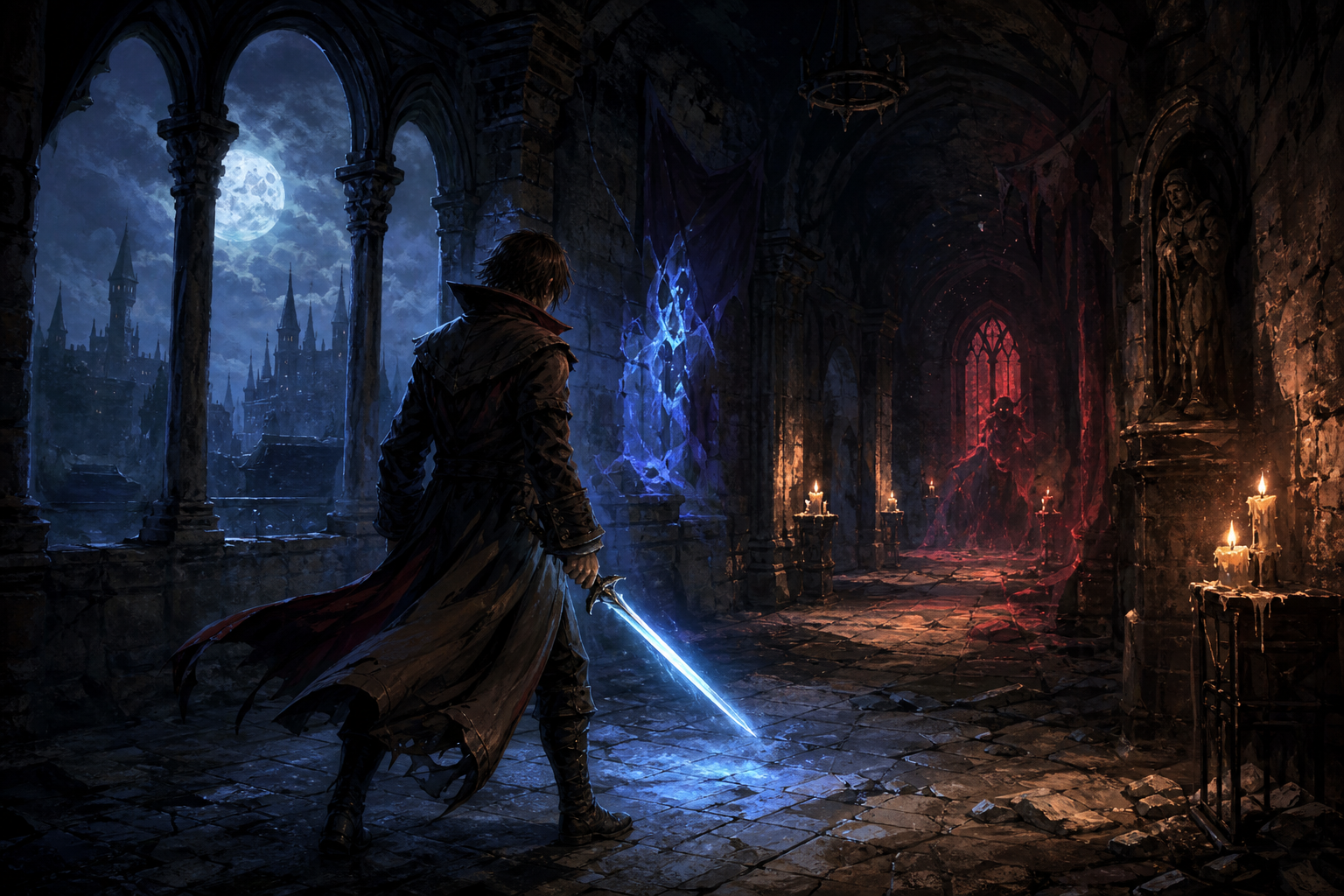
    Castlevania: Bloodlines still answers a very specific retro question in 2026: if you want a 16-bit action game that feels punchier and meaner than the series’ SNES cousins, is Konami’s Mega Drive detour still worth making time for? I think it is. This is not the biggest or most famous classic in the franchise, and it lacks some of the plush atmosphere people naturally associate with Castlevania, but it makes up for that with urgency, sharp stage design, and a welcome willingness to feel a little rougher around the edges.

    That last part matters. Bloodlines is not trying to be the prettiest museum piece in the series. It feels more aggressive, more arcade-minded, and in a few places more openly hostile than the smoother retro comfort food many players expect. That is exactly why it still works. Where Symphony of the Night is the obvious recommendation for players who want exploration and atmosphere, Bloodlines is the better answer for anyone who wants classic Castlevania stripped back into a brisk, nasty, highly replayable action platformer.

    Why Bloodlines Still Stands Out

    The first thing the game gets right is pace. Bloodlines moves with real intent. John Morris and Eric Lecarde are not identical palette swaps; they meaningfully change how the stages feel. John brings the familiar whip and a classic rhythm, while Eric’s spear and higher mobility make the game feel more acrobatic. That small layer of choice adds replay value immediately, but it also helps the game feel distinct inside a series that can sometimes blur together in memory.

    The level design still deserves real praise too. Konami gives the adventure a broader European sweep than the usual Dracula’s-castle crawl, and the set pieces remain memorable: leaning towers, collapsing bridges, mechanical traps, and rooms that seem designed by someone who wanted your hands to sweat just a little. It has that valuable retro quality of always introducing a fresh hazard before the older one grows stale. In the same way Contra III still feels alive because Konami kept the pressure and spectacle tightly controlled, Bloodlines survives by understanding that momentum is part of the pleasure.

    There is also the audio-visual bite. The Mega Drive sound hardware gives the soundtrack a harsher, more metallic personality than some fans expect, but it suits the game beautifully. Michiru Yamane’s music already hints at the richness she would bring to later entries, while the sprites and backgrounds lean into bold silhouettes and dramatic colour rather than gentle detail. Bloodlines does not look cosy. It looks tense, theatrical, and slightly feral, which is exactly the right fit.

    Where the Age Shows

    The downside is that Bloodlines can feel less forgiving than memory suggests. Enemy placement occasionally crosses from demanding into mildly rude, and some knockback deaths still produce the kind of frustration modern action games usually sand away. This is a game that expects commitment to jump timing, sub-weapon discipline, and boss pattern reading.

    It also lacks some of the expressive freedom that helps the very best retro action games feel timeless. Eric is mobile, but neither character feels especially loose or improvisational compared with later genre greats. The stiffness is part of the series identity, yet in 2026 it is one of the clearer reminders that this is still a 1994 platformer asking you to respect its rhythms.

    Why It Still Matters in 2026

    Bloodlines matters because it shows how much personality a franchise can reveal when moved onto different hardware with a slightly different attitude. This is one of the strongest examples of a major Japanese series making the Mega Drive feel like more than a compromise box. If you are curious about the best non-Nintendo 16-bit action games, or just want a Castlevania that feels leaner and more confrontational, it remains an easy recommendation.

    It also fills a useful search niche for players asking which older Castlevania still holds up without demanding a giant time investment. Bloodlines is compact, memorable, and replayable. You can finish it in a focused sitting, learn from the bruises, then come back and appreciate how much craft is packed into its short runtime.

    Verdict

    Castlevania: Bloodlines is still worth playing in 2026, especially if your idea of retro comfort includes a bit of cruelty. It is fast, focused, stylish, and pleasantly unlike the safer version of 16-bit Castlevania people often picture first. The difficulty spikes and stiffness keep it from feeling completely effortless today, but the energy is real and the design still bites.

    8 / 10. If you want one of the best Mega Drive action platformers, and a Castlevania with more teeth than polish, Bloodlines absolutely still earns the replay.

    Where does Bloodlines land for you now: underrated Mega Drive gem, or a good Castlevania that still sits in the shadow of the series’ bigger names?

  • Super Bomberman: Panic Bomber W Western Release — How to Play the 1995 Puzzle Spin-Off Today

    Super Bomberman: Panic Bomber W Western Release — How to Play the 1995 Puzzle Spin-Off Today

    One of the odd little pleasures of retro gaming in 2026 is watching old regional lockouts slowly die. The latest example is a good one: Super Bomberman: Panic Bomber W, a 1995 Super Famicom puzzle spin-off that never officially made it West at launch, is now playable outside Japan as part of a free Super Bomberman Collection update.

    That makes this more than a footnote for Bomberman diehards. If you have been searching for how to play Panic Bomber W in English, or whether the collection is now worth a second look, the answer is suddenly simple: you can buy the collection on modern platforms and jump in today.

    Why this release actually matters

    Konami says the update is live now on PS5, Xbox Series X|S, Switch, Switch 2, and Steam, and it adds both the game itself and fresh tracks for the collection’s BOMB Radio mode. On paper, that sounds modest. In practice, it is the kind of preservation win retro fans keep asking for: an official, low-friction way to access a once-Japan-only release without relying on imports, aging hardware, or fan workarounds.

    That matters because Panic Bomber W is not just another menu extra. It is a competitive falling-block puzzle game built around chain reactions and “Big Bomb” attacks, which gives Bomberman’s usual chaos a very different rhythm. Instead of running around a maze waiting to trap your friends, you are stacking pressure, setting off combos, and trying to bury opponents under cascading nonsense. Same series energy, different kind of panic.

    The best reason to care: it makes the collection smarter

    Before this update, Super Bomberman Collection already looked like a solid nostalgia package. With Panic Bomber W added, it feels more complete and more interesting. A collection gets a lot more compelling when it is not only serving up the obvious mainline hits, but also preserving the strange side roads that made an era feel messy and alive.

    That has been one of the more encouraging retro trends this year. We have already seen publishers and hardware makers lean harder into access, whether that is new ways to revisit classics or better ways to package them for modern players. Happy Fragger has covered that angle before with the Banjo-Kazooie PC port story and the collector-first thinking behind Evercade’s retro cart announcements. Panic Bomber W fits that same bigger story: old games become far easier to care about when somebody makes them easy to buy and easy to play.

    Is Panic Bomber W worth your time?

    If you already like versus puzzlers, probably yes. The obvious appeal is the novelty of finally getting an official Western route to a game that spent decades as a curiosity, but the format also still makes sense in 2026. Competitive puzzle games age well when the rules are clean, the feedback is readable, and the pressure ramps up fast. That seems to be exactly what Konami is leaning on here.

    If you are a Bomberman fan first and a puzzle fan second, this is still a neat bonus rather than a must-sell event. But as a free update, the value calculation gets very easy. It adds historical flavour, expands the collection, and gives the set one more conversation piece beyond the familiar mainline run.

    The search-intent version

    So, if you came here asking how to play Super Bomberman: Panic Bomber W in the West, here is the short version: buy or update Super Bomberman Collection on PS5, Xbox Series X|S, Switch, Switch 2, or Steam, then launch the newly added game from the collection. No import cart hunting required.

    Honestly, that is the nicest part of this story. A once-obscure 1995 release is no longer something you have to explain around. It is just there, officially, where it should have been years ago.

    Would you rather see more retro collections add weird spin-offs and regional curiosities like this, or should publishers focus on the biggest headline classics first?

    Sources

  • Contra III: The Alien Wars Review — Is Konami’s 1992 SNES Run-and-Gun Classic Still Worth Playing in 2026?

    Contra III: The Alien Wars Review — Is Konami’s 1992 SNES Run-and-Gun Classic Still Worth Playing in 2026?

    Title Contra III: The Alien Wars
    Developer Konami
    Publisher Konami
    Year 1992
    Platform focus SNES original release
    Genre Run and gun / action shooter
    Score 8 / 10

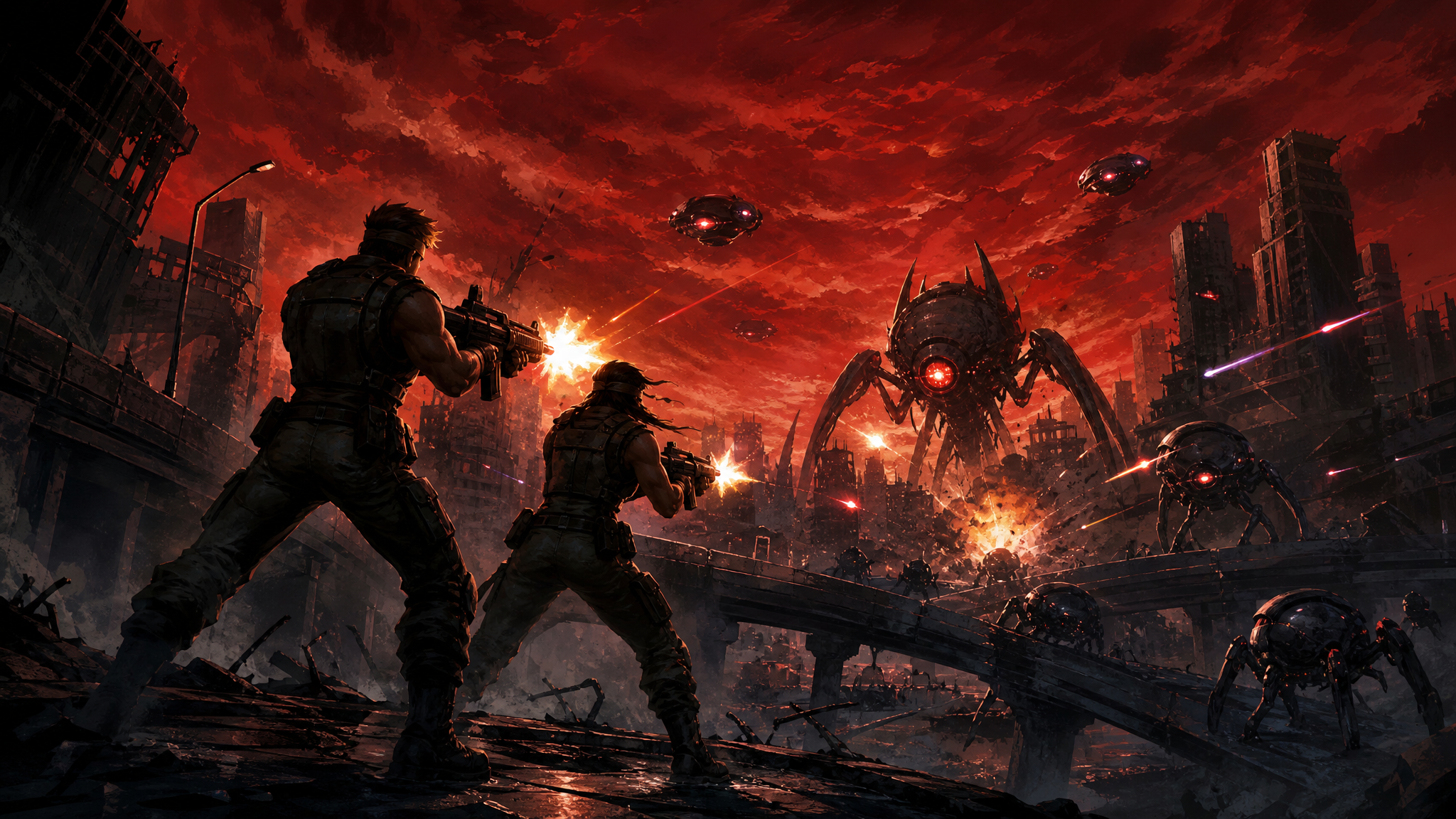
    Contra III: The Alien Wars still answers a very evergreen retro question in 2026: if you want a loud, difficult SNES action game that gets straight to the point, is this one still actually worth playing? I think yes — with a small warning label attached. Konami’s 1992 run-and-gun classic is still a tremendous adrenaline hit. It is fast, nasty, inventive, and completely uninterested in wasting your time. The catch is that it also expects you to meet it on its own terms, and those terms are often brutal.

    That tension is exactly why the game still matters. Contra III is not polished into modern smoothness, but it has a kind of arcade honesty that plenty of newer action games never quite manage. Every stage feels built to escalate pressure rather than show off bloat. Where Gunstar Heroes turns 16-bit chaos into a playful fireworks show, Contra III feels sterner and meaner. And where Mega Man X is all about precision and momentum, Contra’s thrill comes from surviving a battlefield that seems actively offended by your existence.

    Why Contra III Still Feels So Good

    The first thing that still lands is commitment. Contra III never half-steps into its premise. The explosions are huge, the bosses are absurd, the screen is constantly busy, and the soundtrack does its best to bully you forward. It feels like a game built by people who understood that action needs rhythm as much as spectacle. Stages shift between straightforward side-scrolling firefights and the famous overhead sequences, and even when those Mode 7 sections divide opinion, they stop the campaign from feeling mechanically flat.

    I also still love how direct the whole thing is. There is no fluff between the good parts because the entire game is the good part, or at least that is the design intent. Weapons matter immediately, enemy patterns need reading straight away, and boss encounters are memorable because they feel like tests rather than cutscenes with health bars attached. The ability to carry two weapons and swap between them gives the game just enough tactical texture without slowing its pace down.

    Where the Age Shows

    The obvious problem is difficulty. Contra III can absolutely feel exhilarating, but it can also feel punishing in a way that narrows its audience. Some deaths teach clean lessons. Others feel like the game reminding you that memorisation is part of the deal whether you like it or not. If you come in hoping for a relaxed nostalgia replay, this thing can swat that idea out of your hands very quickly.

    There is also some old-hardware strain visible in the presentation. The slowdown can get noticeable when explosions, enemies, and projectiles all pile up together, which is fittingly dramatic but not always ideal for a precision action game. The overhead stages remain the most awkward part of the package too. I admire them more than I love them. They add variety and technical flair, but they are less elegant than the side-scrolling material, which is where the game’s real magic lives.

    Why It Still Matters in 2026

    Contra III still matters because it is one of the cleanest examples of the SNES being allowed to act vicious rather than merely charming. So much retro conversation ends up orbiting comfort-food classics, but this game reminds you how exciting the era could be when it wanted to feel aggressive. If you are searching for the best hard SNES action game, one of the strongest retro co-op tests, or a run-and-gun that still feels genuinely intense, it absolutely deserves to stay in the conversation.

    It also works as a useful contrast piece next to other 16-bit greats. Shinobi III is smoother and more graceful. Streets of Rage 2 is more generous and immediately social. Contra III, by comparison, is a stress test. That is exactly why some players will bounce off it and others will adore it.

    Verdict

    Contra III: The Alien Wars is still one of the SNES library’s most ferocious action games: thrilling, memorable, and refreshingly free of dead air. Its harsher difficulty spikes, occasional slowdown, and less graceful overhead experiments stop it short of true all-timer perfection for me, but the core side-scrolling action still rules.

    8 / 10. If you want a retro shooter that still feels intense rather than merely historic, Contra III is easy to respect and, with the right mood, very easy to love.

    When you go back to Contra III now, does the difficulty still feel electrifying, or does it finally cross the line into old-school punishment for you?