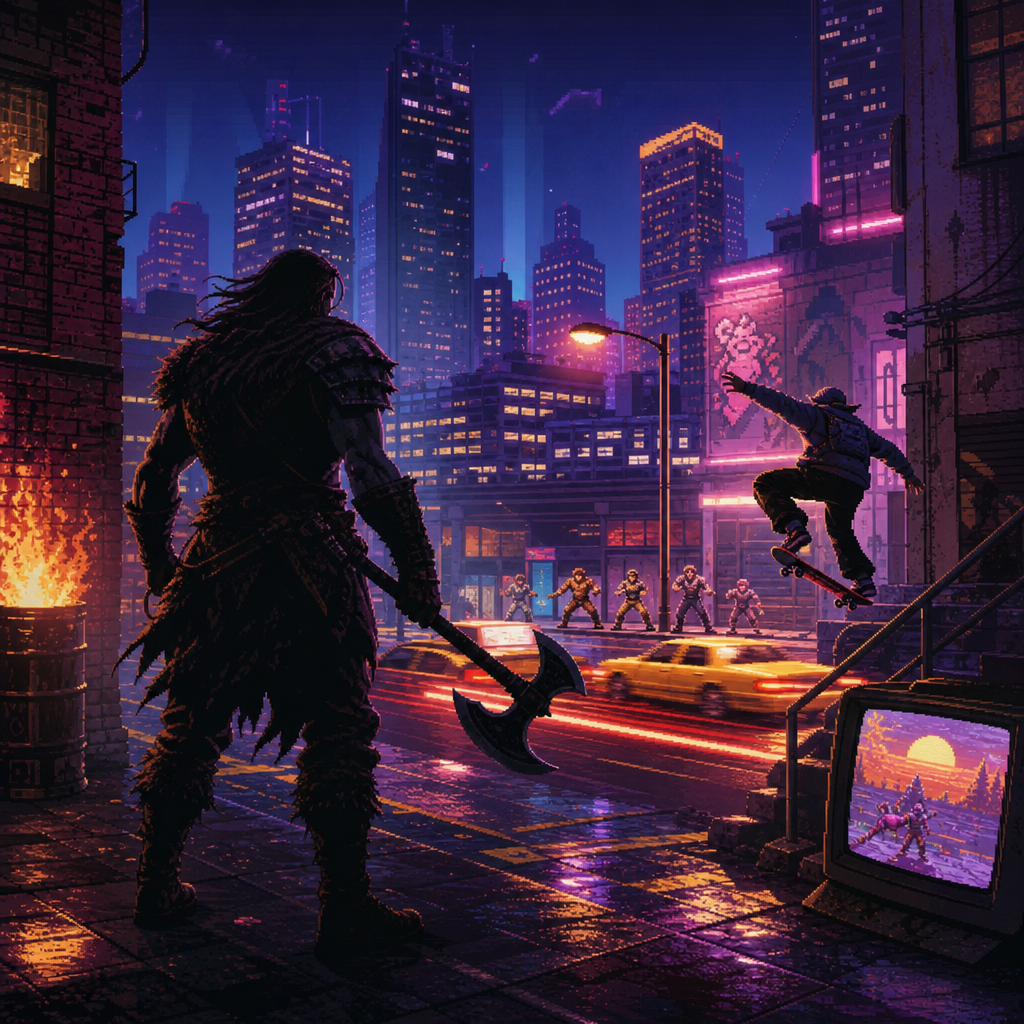
Sega has killed off its long-teased Super Game project, but the part retro fans actually care about is still alive. According to Sega Sammy’s latest financial presentation, the publisher’s revivals of Crazy Taxi, Jet Set Radio, Streets of Rage and Golden Axe are all still in development, with release plans stretching into the financial year ending March 2027 and beyond.
If your search query today is basically “did Sega cancel the classic reboots too?”, the short answer is no. The giant all-purpose corporate moonshot is gone. The beloved old series are still on the board.
What Sega actually confirmed
The important bit comes from Sega Sammy’s Q4 materials. The company quietly confirmed that Super Game has been cancelled, but multiple legacy revivals remain part of the release pipeline. VGC reports that the four big reboots first teased at The Game Awards 2023 — Crazy Taxi, Jet Set Radio, Golden Axe and Streets of Rage — are still marked for future release, alongside the new Virtua Fighter project and the Alien: Isolation sequel.
Nintendo Life’s coverage points in the same direction. Sega’s financial slides still list multiple classic properties under upcoming plans, with official titles and dates apparently still to come later. So while Sega is clearly rethinking the bigger “gaming ecosystem” dream, it is not backing away from mining its best-loved history.
Why retro fans should care
This matters because Sega’s back catalogue is not just decorative nostalgia. These are series with very specific identities that modern publishers rarely bother to preserve. Crazy Taxi is not merely “a driving game”. Jet Set Radio is not merely “an action game with roller skates”. Streets of Rage and Golden Axe come with entire textures, rhythms and moods attached to them. If Sega gets these revivals right, it is not just reviving brands. It is reviving design languages.
That is why the wider retro revival still has real weight in 2026. People are not only buying old games because they miss being younger. They are going back because a lot of those games still feel sharper, stranger and more authored than the safe middle of today’s blockbuster catalogue. We have been seeing that again even in our own recent retro coverage, from the brutally individual architecture of Jet Set Willy to the puzzle-box brilliance of Head Over Heels.
The risk: modern reboots love the brand more than the feel
There is a catch, obviously. Plenty of publishers know how to resurrect a logo and almost none know how to resurrect a vibe. Sega’s own early descriptions sound promising — VGC notes that the new Jet Set Radio is pitched as a counter-culture Tokyo open world, while Streets of Rage is still being framed as side-scrolling beat-’em-up action — but descriptions are easy. The hard part is knowing what must stay rough-edged, stylish or gloriously silly.
Crazy Taxi without that reckless arcade momentum is just transport with attitude problems. Golden Axe without weighty melee, absurd fantasy swagger and co-op chaos is just another fantasy action game fighting for oxygen. Sega does not need these reboots to be bigger than everything else. It needs them to feel unmistakably themselves within thirty seconds.
Happy Fragger take
Honestly, I’m glad Super Game got sacrificed before the old legends did. “One giant platform-scale mega-strategy thing” always sounded like the sort of boardroom phrase that eventually produces an expensive shrug. Crazy Taxi, Jet Set Radio, Streets of Rage and Golden Axe are much better bets because each already knows what it is supposed to be.
Now Sega just has to resist the usual temptation to sand off the personality in search of broader appeal. If these revivals land with conviction rather than market-tested mush, they could become some of the most interesting retro-comeback stories of the next year. If not, we will get a few pretty trailers and another reminder that classic names are easier to reboot than classic instincts.
Either way, the key update is simple: Sega’s classic reboots are still alive, and retro players should keep watching. Which one are you most worried Sega might mess up — and which one are you secretly most hopeful about?