Tag: Dreamcast

  • Tony Hawk’s Pro Skater 2 Review — Is Neversoft’s 2000 Skateboarding Classic Still Worth Playing in 2026?

    Tony Hawk’s Pro Skater 2 Review — Is Neversoft’s 2000 Skateboarding Classic Still Worth Playing in 2026?

    Title Tony Hawk’s Pro Skater 2
    Developer Neversoft
    Publisher Activision
    Year 2000
    Platform focus PlayStation original release
    Genre Skateboarding / arcade sports game
    Score 9 / 10

    Tony Hawk’s Pro Skater 2 still answers one very evergreen retro question in 2026: if you want an older sports game that feels instantly fun rather than historically important, does this one still deserve the hype? I think it absolutely does. Neversoft’s 2000 sequel remains one of the sharpest arcade games of its era because it understands a simple truth: movement is the fantasy. The tricks, the score chasing, the hidden tapes, the gloriously silly gaps — all of it works because the board feels fast, readable, and satisfying in your hands within minutes.

    That immediacy is the big reason it still survives. Like Crazy Taxi, it turns a short burst of play into a genuine loop of risk, rhythm, and “one more run” obsession. Like Jet Set Radio, it bottles a turn-of-the-millennium cool that still feels charming instead of embarrassing. But THPS2 is the cleaner, more universal recommendation because the controls are doing so much of the work. Even if you do not care about skate culture, the game still sells speed, flow, and score greed beautifully.

    Why Tony Hawk’s Pro Skater 2 Still Feels Great

    The obvious headline is the handling. The board never feels muddy, and the trick inputs remain wonderfully readable. Ollies, grinds, grabs, reverts-to-be in later games, manuals introduced here — it all clicks into a language of movement that is easy to understand and hard to master. You are not memorising combos in the abstract. You are learning lines through schoolyards, hangars, plazas, and bullrings, slowly realising how a good run can stitch the whole map together.

    That level design is still superb. Every stage feels like a toy box rather than just a backdrop. There are score routes for greedy players, clean objective paths for newcomers, and enough secrets tucked into odd corners to make exploration feel rewarding. The career structure also helps the game age well. Two-minute runs keep the pace aggressive, which means failure rarely feels punishing. You crash, you laugh, you restart, and suddenly forty minutes vanish.

    I also think the game’s tone has held up better than some of its imitators. THPS2 is loud, confident, and slightly ridiculous, but it rarely feels desperate to prove how extreme it is. It just gets out of the way and lets the systems shine. That matters in 2026, when so many sports games drown their best ideas in menus, currencies, and season-pass clutter. THPS2 still feels liberating by comparison.

    Where the Age Shows

    The biggest caveat is that later entries refined the formula in ways you may miss if you started there. The manual system opened the combo game up enormously, but this is still an earlier, tighter version of the series than the sprawling monster that followed. If your favourite memories are of longer combo chains and bigger create-a-skater toy boxes, THPS2 can feel slightly lean.

    Some of the goals are also more trial-and-error than elegant design. A few hidden items and gap hunts still have that old-school “how was I meant to know that?” flavour, especially without playground-era word of mouth. And while the soundtrack remains iconic, licensed music hits differently when you are playing through modern ports, emulation setups, or old hardware with different expectations around presentation and convenience.

    Why It Still Matters in 2026

    Tony Hawk’s Pro Skater 2 still matters because it is one of the clearest examples of an arcade design loop with almost no wasted motion. The objectives are quick to read, the movement is fun before you are good at it, and mastery feels earned instead of bureaucratic. That is a rare trick. Plenty of games are deep. Fewer are this welcoming without becoming shallow.

    It is also still one of the safest answers to another useful search query: what retro sports game should I actually play if I do not normally like sports games? You do not need to follow skating, know the soundtrack by heart, or care about late-90s fashion. You just need to enjoy games that reward momentum and clever routing. On that level, THPS2 still sings.

    Verdict

    Tony Hawk’s Pro Skater 2 is still a superb retro recommendation in 2026: fast, expressive, addictive, and much smarter than its baggy-shorts image ever suggested. A few later-series improvements and some old-school obscurity keep it from feeling absolutely perfect today, but the core loop is still fantastic.

    9 / 10. If you want a classic skateboarding game that still feels joyful, readable, and dangerously hard to put down, this is still one of the best places to start.

    When you go back to THPS2 now, does it still feel like the series peak, or did a later Tony Hawk game finally outgrow it for you?

  • Crazy Taxi Review — Is Sega’s 1999 Dreamcast Arcade Classic Still Worth Playing in 2026?

    Crazy Taxi Review — Is Sega’s 1999 Dreamcast Arcade Classic Still Worth Playing in 2026?

    Title Crazy Taxi
    Developer Hitmaker
    Publisher Sega
    Year 1999 (arcade), 2000 (Dreamcast)
    Platform focus Dreamcast original release
    Genre Arcade driving / score attack
    Score 8 / 10

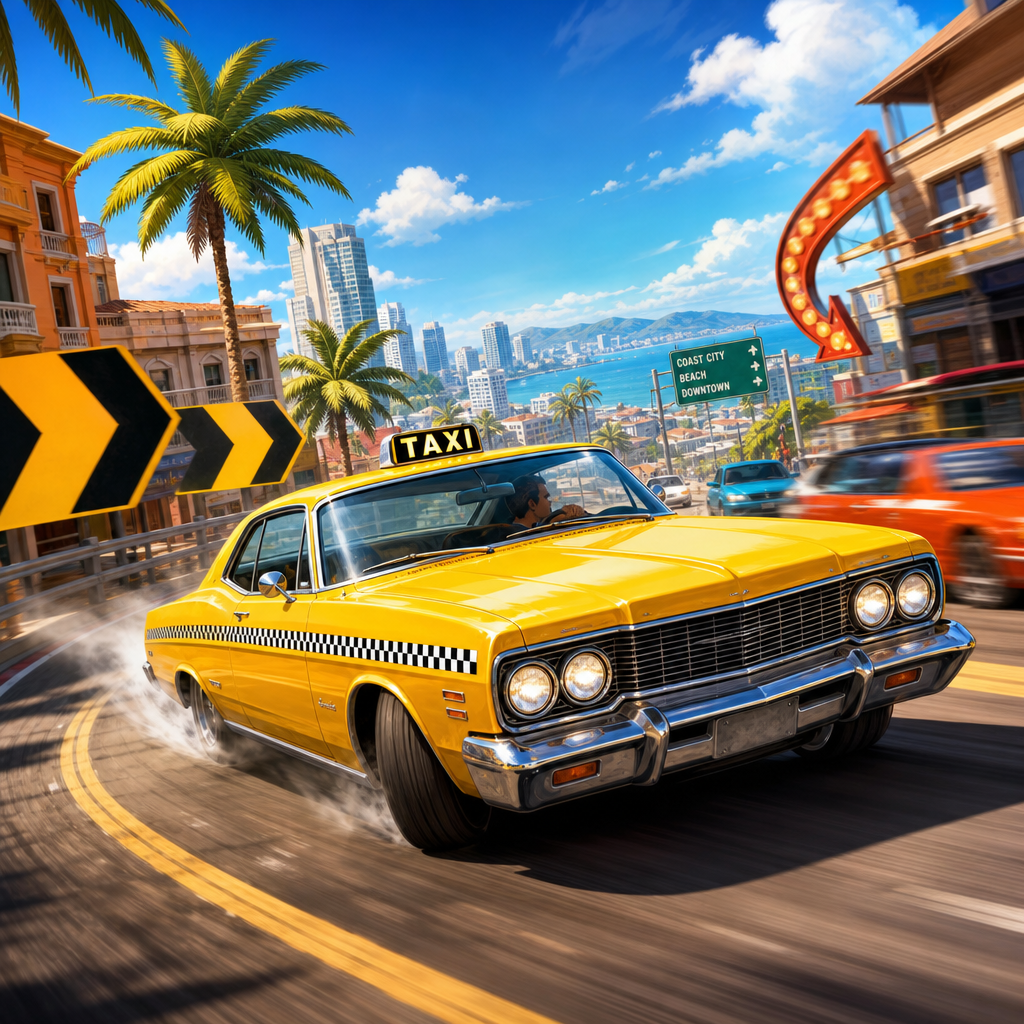
    Crazy Taxi still asks a very healthy retro question in 2026: if you strip away nostalgia, licensed music memories, and Dreamcast affection, is Sega’s arcade taxi riot actually still fun to play today? I think the answer is yes. More than that, I think it is one of the easiest Dreamcast games to recommend to someone who wants instant action instead of homework. Few retro games explain themselves this quickly, and even fewer turn a simple idea into such a compulsive score chase.

    The pitch is wonderfully blunt. Pick up a fare, race to the destination, drive like a menace, and squeeze out extra cash with wild drifts, near-misses, and risky shortcuts before the clock runs dry. That loop sounds almost too thin on paper, but Crazy Taxi understands exactly what makes arcade design stick. It throws you into a city that feels open enough to invite improvisation, then rewards aggression, route knowledge, and nerve. Within minutes, you stop driving safely and start thinking like a greedy speed demon.

    Why Crazy Taxi Still Feels So Good

    The biggest strength is momentum. Crazy Taxi feels fast in the way older arcade games often did: not because of realism, but because every second is charged with consequence. The timer is always threatening you, passengers are always judging you, and the city always seems one bad corner away from disaster. That pressure gives even ordinary fares a lovely sense of chaos.

    I also think the game’s readability deserves more credit. The giant directional arrow is such a smart piece of design. It keeps the pace high without turning the city into a confusing maze, which means the real skill comes from learning better routes rather than fighting the interface. Like Out Run, this is an arcade Sega game that understands movement should feel playful before it feels technical.

    The tone helps too. This is not a serious driving sim pretending to be a city sandbox. It is loud, silly, and proudly gamey. Customers leap into the cab, destinations flash up, and every successful drop-off makes you want to chain one more run together. There is a purity to that which still lands beautifully in 2026, especially if you miss the more rebellious side of old Sega design we talked about in our feature on Sega’s surviving classic reboots.

    Where the Age Shows

    The downside is that Crazy Taxi is not especially deep once the initial rush settles. The map is memorable, but the activity range is narrow by design. If you need story, progression systems, or a sense that the world changes around you, this will feel slight very quickly. It is an arcade machine at heart, and it never pretends otherwise.

    The collision-heavy chaos can also be messy in ways that are funny right up until they are not. Part of the charm is clipping traffic, bouncing off street furniture, and somehow salvaging the fare anyway. Part of the frustration is realising a strong run can evaporate because you misread a turn or got tangled in the city’s louder physics. Compared with the smoother style-first flow of Jet Set Radio, Crazy Taxi is more immediately accessible, but it can still feel rough around the edges.

    Why It Is Still Worth Playing in 2026

    What keeps it alive is how little fat there is on the whole thing. You can sit down for ten minutes and get exactly what you came for: speed, risk, noise, and the satisfaction of shaving seconds off a route you already thought you understood. That makes it one of the better answers to an evergreen collector-and-curiosity search: which Dreamcast games are still genuinely fun, not just historically important?

    I would not call it the richest game in Sega’s back catalogue, but I would absolutely call it one of the cleanest expressions of arcade fun the company ever shipped. If you enjoy score attack design, chasing mastery, or simply yelling at traffic while punk music blares in the background, Crazy Taxi still earns its place.

    Verdict

    Crazy Taxi remains a terrific burst of arcade energy: simple, reckless, readable, and immediately entertaining. It lacks the depth to dominate long sessions in the way some all-time greats do, but as a pick-up-and-play Dreamcast classic it still feels sharp, funny, and very easy to recommend.

    8 / 10. If you want a retro game that gets to the fun in seconds and keeps daring you to drive worse for better results, Crazy Taxi still delivers.

    • Play tip: Learn a few dependable shortcuts before chasing maximum-risk routes; steady knowledge beats panic speed.
    • Play tip: Use the directional arrow as a guide, not a command. The fastest route is often not the most obvious road.
    • Authority link: Wikipedia overview of Crazy Taxi
    • Authority link: MobyGames entry for Crazy Taxi

    Would you still put Crazy Taxi near the top of the Dreamcast pile, or has one-note arcade brilliance become a tougher sell for you in 2026?

  • Jet Set Radio Review — Is Sega’s 2000 Dreamcast Cult Classic Still Worth Playing in 2026?

    Jet Set Radio Review — Is Sega’s 2000 Dreamcast Cult Classic Still Worth Playing in 2026?

    Title Jet Set Radio
    Developer Smilebit
    Publisher Sega
    Year 2000
    Platform focus Dreamcast original release
    Genre Action platformer / skating / graffiti game
    Score 8 / 10

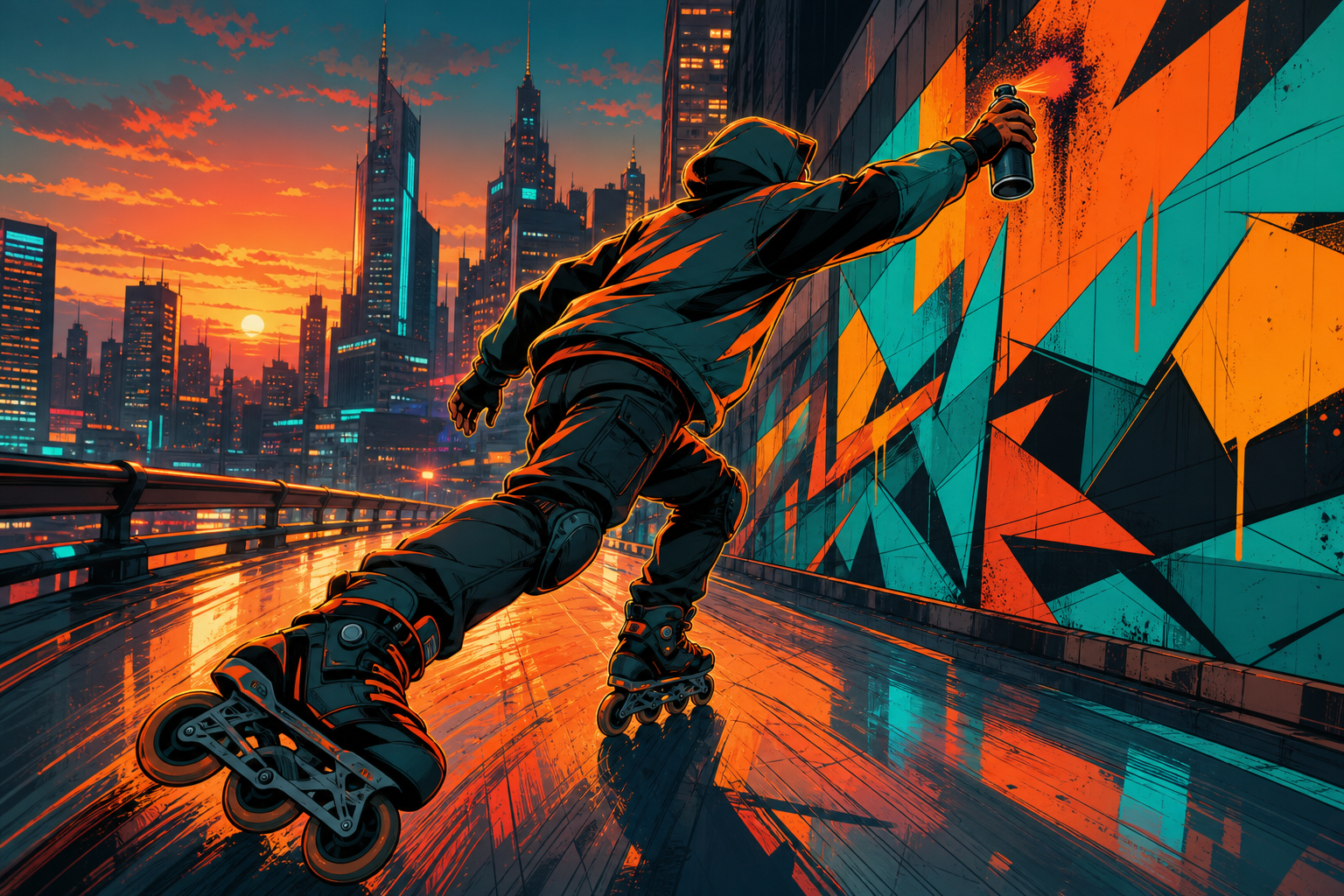
    Jet Set Radio still attracts a very specific retro question in 2026: if you want a stylish Dreamcast game that feels different from almost everything else Sega ever made, is this still worth playing or is it mostly remembered for the soundtrack and cel-shaded look? I think it is still worth your time, but with a small warning label attached. At its best, it feels like Sega trying to turn motion, attitude, and street noise into a playable cartoon. At its worst, it reminds you that cool ideas do not always mean comfortable controls.

    That tension is part of why the game still matters. Jet Set Radio is not just “the graffiti one” or a relic people bring up whenever cel-shading gets mentioned. It is a proper design swing. You skate through Tokyo-to, claim turf with spray paint, dodge increasingly aggressive police, and try to keep your speed while the camera and collision occasionally conspire against you. It can be messy. It can also be completely exhilarating.

    Why Jet Set Radio Still Feels Special

    The obvious strength is the presentation. Even now, the thick lines, loud colours, and pirate-radio energy feel more alive than plenty of technically cleaner games. Sega built a world that looks rebellious without becoming visually muddy, and the soundtrack does a huge amount of work. The mix of funk, hip-hop, and electronic tracks gives every area its own pulse. Like Out Run, this is a Sega game where style is not decoration; style is the point.

    I also still like how committed it is to movement as expression. You are not just travelling from objective to objective. You are grinding rails, hopping gaps, tagging walls under pressure, and learning the awkward little shape of each district. When it clicks, the whole thing feels gloriously rude and playful. That is a big reason the game keeps surfacing whenever people talk about Sega’s lost classics or the appeal of the company’s announced reboot push, something we touched on in our piece about Sega’s classic reboots surviving the Super Game shake-up.

    Where the Dreamcast Age Shows

    The catch is that Jet Set Radio can be more stubborn than nostalgic memory admits. The skating has momentum, but it is not always the friendly kind. Tight turns, fiddly landings, and camera angles that refuse to cooperate can make basic navigation harder than it should be. The graffiti input system is clever for a while, especially because it makes tagging feel like an action instead of a menu choice, but during hectic moments it can slip from stylish to slightly annoying.

    The police escalation is another mixed blessing. Conceptually, I love it. The city pushing back harder as your crew gets bolder fits the whole anti-authority mood perfectly. In practice, some late-game sequences feel more stressful than elegant, especially when control friction piles on top of enemy pressure. This is not the kind of Dreamcast classic I would recommend to everyone without qualification.

    Why It Is Still Worth Playing in 2026

    What saves it is that nothing else really replaces it. Plenty of games borrowed bits of its look or attitude, but very few captured the same mix of skating, graffiti, music, and urban mischief. Even now, Jet Set Radio feels like a glimpse of a stranger version of mainstream Sega, one that was happy to be loud, specific, and a bit difficult to love cleanly. That counts for a lot.

    It also remains a strong answer to an evergreen collector-and-curiosity search: which Dreamcast games are still worth playing for more than historical value? Jet Set Radio makes the list because its identity is still stronger than its flaws. You will notice the rough edges, definitely. You will probably forgive many of them too, because the game keeps throwing personality at you faster than most rivals can manage polish.

    Verdict

    Jet Set Radio is still one of the Dreamcast’s boldest originals: stylish, noisy, distinctive, and occasionally maddening. The camera, handling, and pressure spikes stop it short of greatness for me, but the look, music, and sense of attitude still make it easy to recommend to anyone curious about Sega’s most creative era.

    8 / 10. If you can tolerate some turn-of-the-millennium awkwardness, Jet Set Radio is still one of retro gaming’s coolest imperfect classics.

    • Play tip: Treat early runs as navigation practice. Learning rail routes and cornering lines helps more than rushing objectives.
    • Play tip: If the police pressure starts spiralling, back off and regain rhythm instead of forcing every tag immediately.
    • Authority link: Wikipedia overview of Jet Set Radio
    • Authority link: MobyGames entry for Jet Set Radio

    Do you still love Jet Set Radio for the vibe alone, or do its rough controls keep it just outside your all-time Dreamcast top tier?