Tag: Co-op Games

  • PS Plus June 2026 Games: Why Grounded and Darktide Make This Month Worth Claiming

    PS Plus June 2026 Games: Why Grounded and Darktide Make This Month Worth Claiming

    Sony has revealed the PS Plus June 2026 games, and this is one of those months where the lineup makes a lot more sense once you stop asking whether it has one giant prestige headliner and start asking what you might actually play with other humans. The answer is: probably quite a lot.

    The official June Monthly Games drop includes Grounded Fully Yoked Edition, Warhammer 40,000: Darktide, and Nickelodeon All-Star Brawl 2, with all three available for PlayStation Plus members from 2 June to 6 July. Sony also confirmed that EA Sports FC 26 will hang around a little longer, staying claimable until 16 June. If your search today is basically “are the PS Plus June 2026 games worth downloading?”, the short answer is yes — especially if your idea of value is co-op chaos, not just box-art bragging rights.

    Why this month feels smarter than it first looks

    At first glance, this is not a lineup built around one universally obvious blockbuster. What Sony has done instead is aim at three different kinds of social play. Grounded is for players who want a survival game with a strong shared-story hook. Darktide is for anyone who wants brutal, systems-heavy co-op shooting with a proper sense of momentum. Nickelodeon All-Star Brawl 2 covers the lighter, pick-up-and-play side of the month, even if it is clearly the least essential of the three.

    That means June lands with a clear identity: this is a multiplayer-first PS Plus month. Push Square made the same point in its early reaction, and it is hard to argue. Sony is not just handing out three random games here. It is nudging subscribers toward party sessions, weekend squads, and “go on then, install it” downloads that can actually turn into regular rotation.

    Grounded and Darktide are doing the heavy lifting

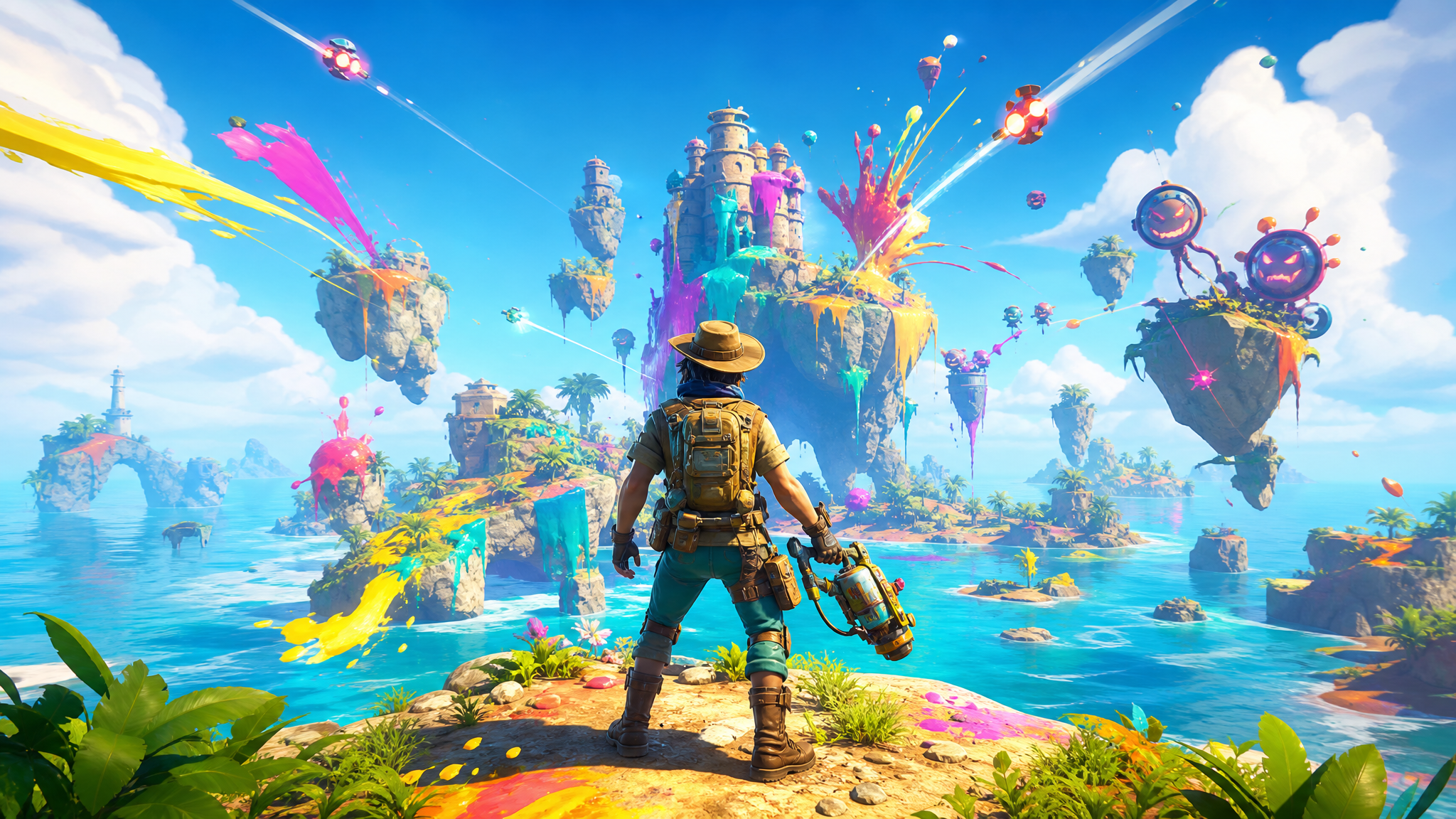
    Grounded is probably the most interesting inclusion because it broadens the shape of the lineup. Obsidian’s shrunken-backyard survival game has already built a reputation on Xbox and PC, and the PlayStation version gives PS5 players a genuinely good co-op time sink rather than a disposable freebie. If you like survival crafting, exploration, and the specific thrill of being bullied by insects the size of minibuses, this is the obvious first install.

    Darktide, meanwhile, is the sharper “serious” pick. Sony’s description leans hard on the mix of melee and ranged combat, and that matters, because Darktide’s identity has always been about pressure, rhythm, and team coordination rather than mindless horde clearing. If you have been waiting for a PS Plus month that feels a bit less safe and a bit more aggressive, this is the game that gives June its teeth.

    It also fits Sony’s bigger June push

    The timing is not random. Sony folded the reveal into its broader June PlayStation drumbeat and its Days of Play campaign, which also bundles in discounts, trials, bonus packs, and an early tease for more Game Catalog additions. That makes this monthly drop feel less like a lonely blog post and more like part of a wider subscription push.

    It also follows a fairly strong recent run on the service side. Earlier this month, Sony used the PS Plus Game Catalog May 2026 update to lean on recognisable names and easy value. June’s monthly games take a slightly different route: fewer obvious prestige points, more playable variety, and a better excuse to message friends instead of just padding the backlog.

    Should you claim all three?

    Honestly? Yes. Even if Nickelodeon All-Star Brawl 2 is the easiest one to shrug at, there is no real downside to claiming the full set, and both Grounded and Darktide are exactly the sort of games that can become much more appealing the moment the right group chat wakes up. This is not a month built to dominate headline rankings. It is a month built to be used.

    That is a perfectly good trade. A subscription lineup does not always need one massive trophy game if it gives players a couple of sticky, high-utility installs instead. Sony seems to understand that this time, and June looks stronger for it. Which of the PS Plus June 2026 games are you claiming first — Grounded, Darktide, or are you backing the wildcard with All-Star Brawl 2?

    Sources

  • Streets of Rage 2 Review — Is Sega’s 1992 Mega Drive Brawler Still Worth Playing in 2026?

    Streets of Rage 2 Review — Is Sega’s 1992 Mega Drive Brawler Still Worth Playing in 2026?

    Title Streets of Rage 2
    Developer Sega
    Publisher Sega
    Year 1992
    Platform focus Mega Drive / Genesis original release
    Genre Beat ’em up
    Score 9 / 10

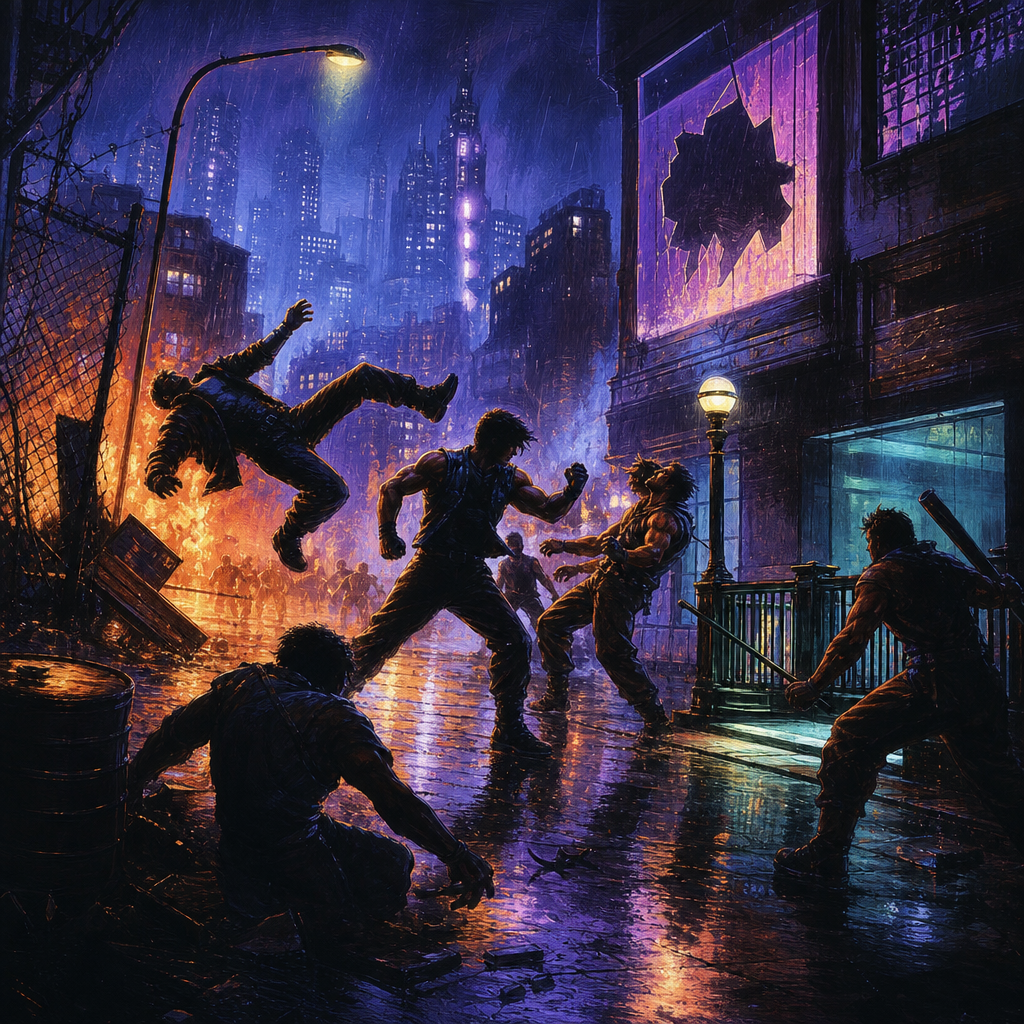
    Streets of Rage 2 has one of the easiest pitches in retro gaming: four characters, a city full of punks, and a soundtrack that still sounds like it is trying to start a fight. The real question in 2026 is not whether Sega’s 1992 brawler is historically important. It is whether it still feels worth playing when modern action games are faster, flashier and far less interested in quarter-munching restraint. If you are searching for the best old-school beat ’em up to revisit today, this is still near the top of the list.

    The reason is simple: Streets of Rage 2 understands impact. Every punch, throw and crowd-control move lands with a lovely chunkiness that makes the whole game feel readable and satisfying even now. Where some 16-bit brawlers become mushy once the screen fills up, this one keeps its spacing clear and its priorities obvious. Like Out Run at Sega’s arcade peak, it succeeds because it commits to clean feedback and a strong mood instead of drowning the player in clutter.

    Why Streets of Rage 2 Still Works

    The big win is pacing. Streets of Rage 2 never hangs around waiting for you to admire it. Enemies stream in fast enough to keep the pressure up, but not so chaotically that the game turns unreadable. There is always a little tactical puzzle underneath the button-mashing reputation: who to stun first, when to spend health on a special move, when to grab a weapon, and when to stop chasing damage so you do not get flanked by a cheap knife lunge.

    The character design helps enormously. Axel is the dependable all-rounder, Blaze stays quick and precise, Max hits like a truck, and Skate turns the whole game into a speed run with knees. None of them feel like joke options. They push the same campaign into slightly different rhythms, which gives repeat play a lot more life than many rival beat ’em ups from the era.

    Then there is the music. Yuzo Koshiro and Motohiro Kawashima gave the game a soundtrack that still feels weirdly futuristic: club beats, machine funk and tense little bursts of melody that make the city feel alive instead of generic. That matters more than people sometimes admit. Streets of Rage 2 is not just a good combat system carrying a famous name; it is a whole audiovisual identity. That is a big reason the series still matters whenever people talk about which classic Sega brands deserve modern revivals.

    Where the Age Shows

    It is not perfect. Enemy behaviour can still veer into arcade-era cheapness, especially when off-screen attacks or grab chains punish mistakes harder than they probably should. Some stages also run a little long compared with the best modern action games, and solo play exposes the repetition more than co-op does. This is one of those classics that improves the moment another person joins in.

    There is also a small learning curve hidden beneath the approachable surface. New players can get by on button presses for a while, but the game only really opens up once you start respecting spacing, knockdown control and the risk-reward trade of special attacks. That is not a flaw exactly, though it does mean the first session can feel rougher than nostalgia tends to advertise.

    Why It Still Matters in 2026

    What keeps Streets of Rage 2 alive is that it still answers a search people genuinely have: what is the retro co-op action game that remains instantly fun without a giant time investment? You can load it up, understand the rules in seconds, and get that glorious feeling of cleaning house with a friend before the tea goes cold. Plenty of revered retro games are easier to respect than to enjoy. Streets of Rage 2 still does both.

    It also remains a useful reminder that “simple” and “shallow” are not the same thing. The move set is not massive, but the game keeps extracting drama from position, timing and tempo. That is why it has aged better than so many other brawlers with bigger sprites and less discipline. In a retro scene full of collector talk and revival branding, this is one of the clearest examples of a game surviving because the fundamentals were right the first time.

    Verdict

    Streets of Rage 2 is still one of the best beat ’em ups you can play in 2026: tough, stylish, sharply paced and loaded with enough personality to keep every stage moving. A little arcade cheapness and some late-game repetition stop it short of perfection, but not by much.

    9 / 10. If you want one Mega Drive game to explain why Sega’s 16-bit reputation still carries so much weight, this is a very strong place to start.

    Where do you rank Streets of Rage 2 among the all-time beat ’em ups — still the king, or has another brawler finally taken the crown?

  • Bubble Bobble Review — Is Taito’s 1986 Arcade Co-op Classic Still Worth Playing?

    Bubble Bobble Review — Is Taito’s 1986 Arcade Co-op Classic Still Worth Playing?

    Title Bubble Bobble
    Developer Taito
    Publisher Taito
    Year 1986
    Platform focus Arcade original release
    Genre Single-screen platformer
    Score 9 / 10

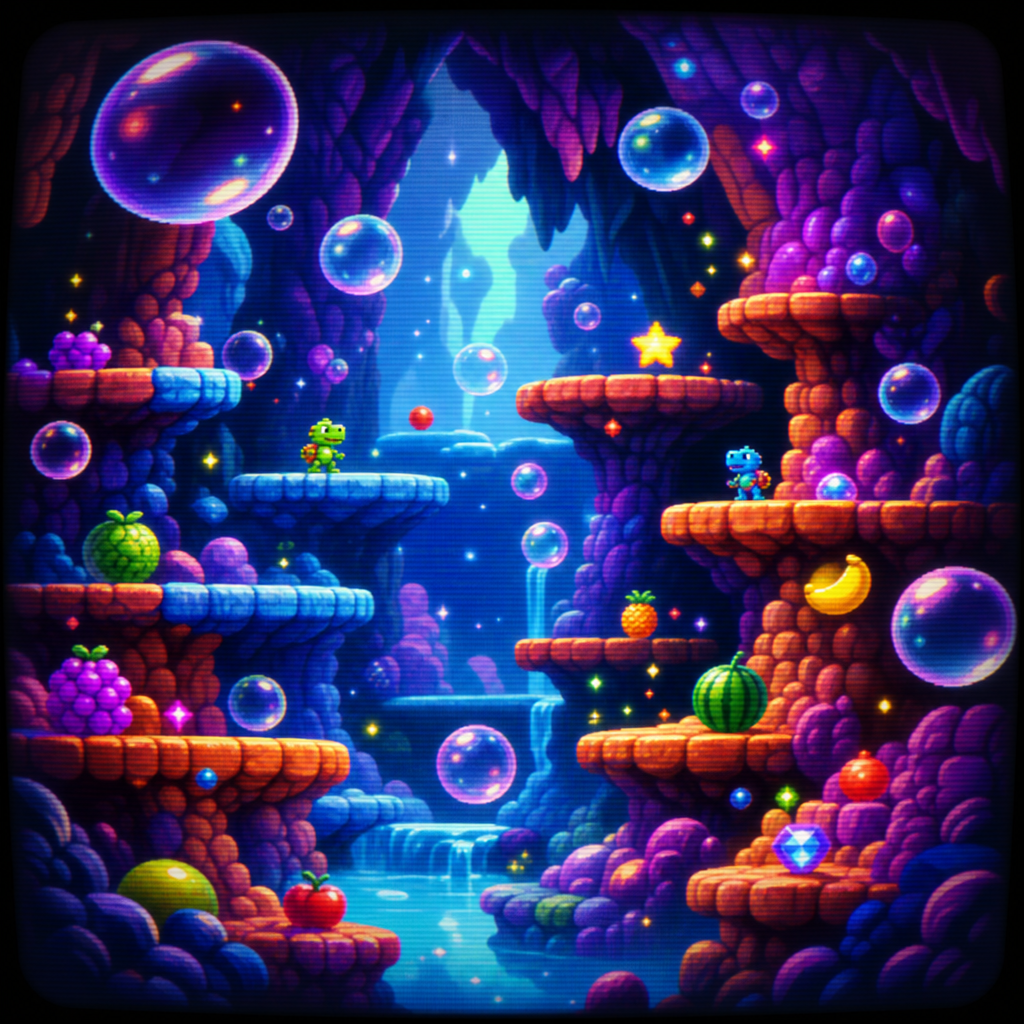
    Bubble Bobble is one of those retro games that can look almost too cheerful to be dangerous. Bright colours, bouncy music, little monsters, fruit everywhere — it practically dares you to underestimate it. The real search question in 2026 is not whether Taito’s 1986 arcade hit is important. It is whether it still feels worth your time when you have no childhood attachment to it and a thousand other “all-time classics” fighting for your attention.

    The answer is an easy yes. Bubble Bobble still rules because it understands the difference between simple and shallow. The basic loop — blow bubbles, trap enemies, pop them, move on — is readable in seconds, but the game keeps finding new ways to turn that tiny rule set into panic, greed and slapstick teamwork. If Knight Lore asks you to admire a breakthrough and the current retro revival reminds us why old games are back in fashion, Bubble Bobble is the cleaner answer to why so many people still love arcade-era design: it is immediate, funny and absurdly replayable.

    Why the Bubble-Popping Loop Still Works

    The genius of Bubble Bobble is that every level feels like a tiny room-sized argument between control and chaos. You can trap enemies in bubbles, ride bubbles to awkward places, herd monsters into better positions, or panic and make a complete mess of things. Because each stage is only a screen wide, the consequences of your decisions are always visible. That gives the game a lovely snap. You are never far from either a clever recovery or a stupid death.

    It also helps that Taito loaded the game with personality. Enemies wobble about like cartoon pests rather than abstract hitboxes. Bonus items shower out in a way that makes greed feel irresistible. The stages have a toybox quality to them, with ladders, platforms, gaps and little traps arranged just neatly enough to invite experimentation. Even now, the whole thing feels alive in a way many early platformers do not.

    And then there is co-op. Played with two people, Bubble Bobble becomes one of the great arcade friendship tests: half coordination, half accidental sabotage. One player sets up a neat trap, the other barges in for the points, and suddenly everybody is improvising. That energy is a huge part of why the game aged so well. It is not just a strong solo score chaser; it is one of the most welcoming multiplayer arcade games of its era.

    What Makes It Special in 2026

    What really stands out today is how modern the game’s readability feels. The goal is obvious, the feedback is instant, and each round gives you a quick little story: who messed up, who got greedy, who stole the melon, who barely escaped the angry invincible enemy that turns up when you dawdle. A lot of retro games earn respect more easily than affection. Bubble Bobble earns both.

    It also sits in a sweet spot for current retro search intent. People looking for the best co-op arcade games, the best pick-up-and-play retro platformers, or just a classic that still works in short sessions will find exactly what they want here. That is part of why the series has survived across ports, compilations and modern reissues. The core idea still travels beautifully.

    There is even a little extra mystique around the arcade original thanks to its secrets and alternate endings. Bubble Bobble does not just clear 100 stages and leave. It nudges you into sharing rumours, replaying levels and treating it like more than a one-credit toy. That playground energy still matters.

    What Feels Old in 2026

    The main drawback is that the difficulty curve can turn from playful to rude without much warning. Late-game enemy speed, projectile clutter and awkward stage layouts can make the final stretch feel more exhausting than elegant. Solo play is also noticeably less magical. Still good, absolutely — but a big part of the game’s charm comes from co-op chaos, and you feel that absence when playing alone.

    You also need to be slightly careful about which version you play. Bubble Bobble has been ported everywhere, and not every home conversion captures the arcade game’s exact rhythm or feel. If you want the cleanest first impression, start with the arcade original or a faithful modern collection.

    Verdict

    Bubble Bobble remains one of the best arcade platformers ever made because its design is generous without being soft. It is easy to read, hard to master, brilliant with friends and still packed with enough charm to make failure funny instead of miserable.

    9 / 10. If you want a retro game that still feels instantly alive in 2026, this is one of the safest recommendations on the board. Few 1980s arcade games balance accessibility, depth and pure mischief this well.

    • Pro tip: Play two-player if you can. The game’s reputation makes much more sense once the screen fills with shared panic.
    • Pro tip: Do not chase every bonus item blindly. Space control matters more than greed once the later rounds start getting nasty.
    • Authority link: For release history and platform details, see Wikipedia’s Bubble Bobble overview.
    • Authority link: For arcade-version oddities and hidden development leftovers, see The Cutting Room Floor’s Bubble Bobble (Arcade) page.

    Where do you rank Bubble Bobble among arcade co-op greats — all-time classic, or a lovely sugar rush that fades before the end?