Category: Modern Gaming

News, reviews and analysis from the cutting edge of contemporary gaming.

  • StarCraft Shooter Release Date: What Blizzard Actually Confirmed About the 2030 Open-World Game

    StarCraft Shooter Release Date: What Blizzard Actually Confirmed About the 2030 Open-World Game

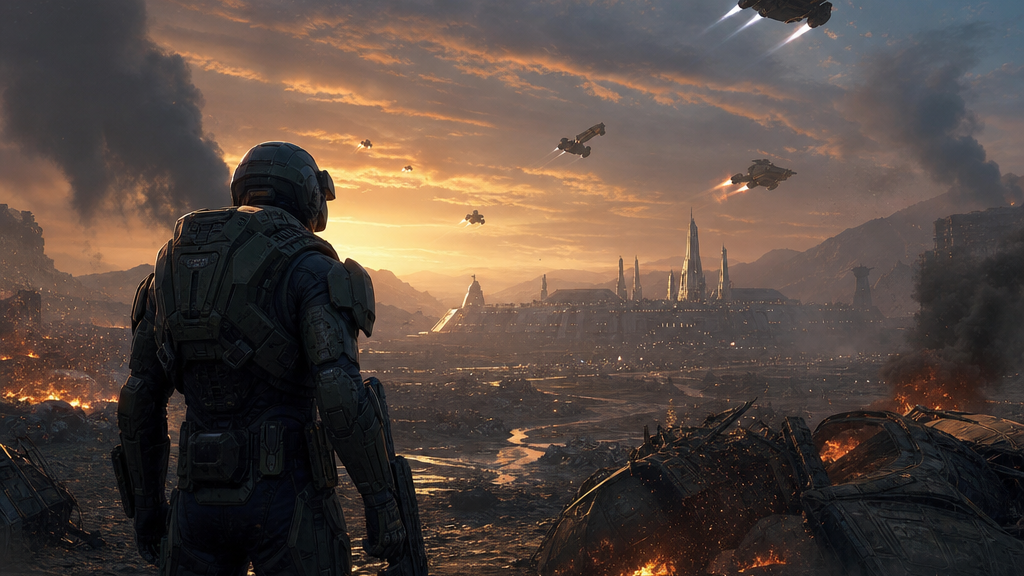
    Blizzard finally did the useful thing instead of the vague thing. At BlizzCon 2026, it confirmed that StarCraft returns in 2030 as an open-world shooter. If you turned up hoping for StarCraft 3 or a clean RTS comeback, that is not what this is. If you turned up wanting to know whether Blizzard has an actual new StarCraft game with a real release target, though, the answer is yes.

    That alone makes this one worth paying attention to. Big franchise revivals are usually announced with smoke, mood lighting, and very little else. Here, Blizzard at least gave players the part they actually search for first: what kind of game this is and roughly when it is meant to arrive.

    What Blizzard actually confirmed at BlizzCon 2026

    According to Blizzard’s BlizzCon opening ceremony recap, the new game is an original open-world shooter set in the StarCraft universe and currently targeted for 2030. The reveal was introduced by Dan Hay, the former Far Cry boss, who described it as a game where “every step is earned” and framed it as a ground-level trip through StarCraft’s war-torn universe rather than a commander-view strategy game.

    That wording matters. Blizzard is not pitching this as a side mode or a quick nostalgia cash-in. It sounds like a full-scale attempt to turn StarCraft’s universe into something more immediate and boots-on-the-ground. It also sounds deliberately different from the old RTS formula, which will either excite people or make them nervously back away from the keyboard.

    One thing Blizzard did not confirm yet: a platform list. There is still no proper breakdown for PC, Xbox, or PlayStation, no pre-order date, and no clear explanation of whether this is a solo campaign, co-op game, or something with live-service ambitions. So yes, the headline is real, but plenty of the practical bits are still missing.

    No, this is not StarCraft 3 — and that is the gamble

    The obvious risk here is simple: StarCraft fans do not love the series because they wanted Blizzard to stop making strategy games and start chasing a broader action crowd. They love it because its factions, tone, and scale gave RTS one of its richest universes.

    Still, there is a convincing version of this idea. A shooter set in the mud and fire of Terran, Zerg, and Protoss warfare could finally sell the physical chaos that the RTS games mostly asked you to imagine from above. That is what makes this feel more interesting than a generic genre swap.

    VGC also pointed out why longtime Blizzard watchers are being careful with the hype: the company has tried to make StarCraft shooters before, including the cancelled projects Ghost and Ares. That history is exactly why this reveal cuts through. Blizzard has stopped teasing the possibility and finally put a public date-shaped target on the board.

    If you have been following the wider Blizzard noise this week, our Diablo 4 Season of Hell’s Legacy explainer covers the more immediate part of BlizzCon. StarCraft is the opposite kind of announcement — less practical today, but potentially much bigger if Blizzard lands it.

    Why the 2030 release target is probably the smartest part

    Honestly, the far-off date may be the healthiest detail here. A lot of publishers announce games too early, then spend years feeding players tiny scraps while expectations rot in the background. Saying 2030 up front at least tells people not to expect a quick turnaround.

    The next important updates are not cinematic. They are structural: what the open world actually looks like, which faction perspective players inhabit, and whether the shooting leans tactical or chaotic.

    We touched on that broader prestige-announcement problem in our Xbox Gamescom 2026 lineup breakdown: players are getting much better at separating “interesting someday” from “worth caring about right now”. StarCraft currently lives in the first bucket, but at least it is there for real now.

    Should StarCraft fans be excited yet?

    Cautiously, yes. Blizzard has finally confirmed that StarCraft is not being left to fossilise, and a ground-level shooter could be a smart way to make that universe feel dangerous again. But this is still an early reveal with a long runway, and the missing details matter just as much as the trailer mood.

    For now, the useful takeaway is clean: StarCraft returns in 2030 as an open-world shooter led by Dan Hay. Everything else still sits in the “wait and see” pile.

    Would you rather Blizzard build a bold StarCraft shooter, or should all this effort have gone into a proper new RTS instead?
    Sources

  • Diablo 4 Season of Hell’s Legacy Release Time, Switch 2 Launch, and What Blizzard Actually Confirmed

    Diablo 4 Season of Hell’s Legacy Release Time, Switch 2 Launch, and What Blizzard Actually Confirmed

    Blizzard dropped a lot at BlizzCon 2026, but the part most players can actually use right now is much simpler than the giant Diablo V headline. Diablo IV: Season of Hell’s Legacy starts on 15 September, and the game is also landing on Nintendo Switch 2 the same day. If you were looking for the practical version rather than the stage-show version, that is the real story.

    The traffic angle here is obvious because it matches what people are likely to search this weekend: when does Season of Hell’s Legacy go live, what is in it, and is the Switch 2 version a proper release or a compromised side note? Thankfully, Blizzard has been clearer than usual.

    Diablo 4 Season of Hell’s Legacy release time is locked in

    Blizzard says Season of Hell’s Legacy begins rolling out on 15 September at 9:30 a.m. PT, which works out to 5:30 p.m. UK time. That alone makes this more useful than a lot of vague “coming soon” announcements, because players can actually plan around it.

    The season is built as a 30th anniversary celebration for the series, but it does not sound like empty nostalgia dressing. Blizzard is bringing back Deckard Cain and sending players after the three original Prime Evils: Diablo, Baal, and Mephisto. Eurogamer also notes that each enemy is tied to locations long-time fans will recognise, including Tristram Cathedral, Arreat Summit, and the Durance of Hate. That is exactly the kind of fan-service that works better when it also changes how you play.

    Why this season looks more interesting than a basic anniversary event

    The clever hook is the Soul Splinter system. Beat one of those Prime Evil encounters and you can claim part of that demon’s power, but it comes with a downside that leaves you more vulnerable to that same evil. That feels much more fun than a plain loot shower, because it gives the season an actual risk-reward identity.

    There is more to it than boss nostalgia, too. Eurogamer reports that nine new Legacy Uniques are being added permanently, including a returning Stone of Jordan, and that Waking Nightmares recreate iconic moments from older Diablo games. So even if you are not the sort of player who cares about lore callbacks, there is still a decent mechanical reason to pay attention.

    That broader “September games worth making time for” mood is something we already touched on in our September 2026 video game releases round-up. Hell’s Legacy looks like one of the month’s stronger live-service reasons to log back in rather than just another seasonal reset.

    Yes, Diablo 4 on Switch 2 sounds like a real version

    The other important bit is the platform angle. Blizzard has confirmed that the Diablo IV: Age of Hatred Collection hits Nintendo Switch 2 on 15 September as well. According to Blizzard, that bundle includes the base game, Vessel of Hatred, and the Lord of Hatred expansion.

    VGC adds the detail plenty of players will care about most: cross-platform play and cross-progression are supported. That matters because it turns the Switch 2 version into something you can actually fold into an existing Diablo habit instead of treating it like an isolated novelty port. After a month where Nintendo news has mostly revolved around showcase chatter and Zelda excitement, this is one of the cleaner examples yet of Switch 2 becoming a home for big multiplatform releases. You can see that wider platform trend in our recent Zelda Ocarina of Time Switch 2 breakdown, even if Diablo obviously sits at the opposite end of the mood spectrum.

    One more thing to keep an eye on

    Blizzard also confirmed that the Amazon joins Diablo IV in the first half of 2027, bringing back the bow and adding the javelin as a new weapon type. That is not this week’s reason to reinstall, but it does help this whole roadmap feel more substantial than a single anniversary spike.

    My read is pretty simple: Diablo V is the flashy long-term headline, but Season of Hell’s Legacy is the part that actually matters to players right now. It has a firm launch time, a strong nostalgia hook, meaningful seasonal mechanics, and a same-day Switch 2 debut that could make portable Diablo a much bigger conversation again.

    Are you jumping back into Diablo IV for Hell’s Legacy, or is the Switch 2 version the part of this announcement that actually got your attention?

    Sources

  • PlayStation Plus Game Catalog September 2026: WWE 2K26, RuneScape: Dragonwilds, and What Extra Players Actually Get

    PlayStation Plus Game Catalog September 2026: WWE 2K26, RuneScape: Dragonwilds, and What Extra Players Actually Get

    Sony’s new PlayStation Plus Game Catalog for September 2026 is one of those lineups that makes more sense once you stop looking for one giant mic-drop and start looking at the spread. The headline names are WWE 2K26 and RuneScape: Dragonwilds, but the real hook is how neatly this month’s drop covers different moods: big licensed spectacle, survival crafting, oddball indie energy, and a small nostalgia nudge for Premium subscribers.

    If you have been tracking the broader month ahead through our September 2026 video game releases roundup, this is another reminder that September is turning into a ridiculous backlog generator. Sony is not trying to win that fight with one prestige exclusive here. Instead, it is offering variety and hoping enough players see at least one reason not to cancel.

    What PlayStation Plus adds in September 2026

    According to Sony’s official announcement, the Extra and Premium catalog gets RuneScape: Dragonwilds and WWE 2K26 on 15 September, alongside Ball x Pit, Date Everything!, Slitterhead, Ninja Gaiden: Ragebound, Dungeons of Hinterberg, and Sniper Elite: Resistance across the rest of the month. Premium also picks up Mega Man X Command Mission and Metro Redux.

    NME’s recap of the lineup points out the awkward timing around all this: Sony is still asking people to feel good about a subscription service that has already had price-hike backlash this year. That means this month’s catalog is not just about adding games. It is about proving the Extra and Premium tiers still feel useful when players are scrutinising value a lot harder than they used to.

    Why WWE 2K26 and RuneScape: Dragonwilds matter most

    WWE 2K26 is the easiest crowd-pleaser in the bunch. Sports and wrestling games live or die on player curiosity, roster chatter, and the simple appeal of jumping in for a few loud matches without a huge learning curve. Slotting it into the catalog gives Sony a recognisable anchor title that can pull in both regular wrestling fans and people who would never have paid full price but will absolutely give it a weekend.

    RuneScape: Dragonwilds, meanwhile, is the more interesting bet. Survival-crafting games do well when they get room to spread through friend groups, and subscription services are very good at creating that kind of low-friction “why not?” download momentum. If this one clicks, it could end up being the kind of catalog addition that quietly becomes a word-of-mouth success rather than just a box-ticking bullet point.

    Premium gets a smaller but smarter bonus

    The Premium tier additions are not flashy, but Metro Redux is a tidy inclusion at exactly the right moment. With 4A Games recently confirming more about Metro 2039, there is obvious value in giving newer subscribers an easy way to revisit that world. It is not a system-seller by itself, but it does make Sony’s library feel a bit more joined-up.

    Mega Man X Command Mission plays a similar role for a different audience. It is the kind of left-field addition that will not dominate headlines but will absolutely delight the specific players who were hoping Premium might do more than recycle the safest possible retro picks.

    Is this month worth it?

    Honestly, this looks like a solid month for current subscribers and a less convincing one for anyone hoping for a single must-have blockbuster. Sony’s smartest move here is breadth. There is enough range to keep the service feeling alive, and enough day-one or near-day-one energy around parts of the lineup to keep the catalog from looking like a leftovers bin.

    That said, the value conversation is not going away. After the pricing noise, players are going to keep judging PlayStation Plus month by month. September 2026 probably will not silence every complaint, but it does give Sony a better answer than “please keep paying and trust the vibes.”

    Is this a strong enough PlayStation Plus month to keep you subscribed, or are you still waiting for Sony to deliver one genuinely undeniable lineup?

    Sources

  • Zelda Ocarina of Time Switch 2 Release Date: What Nintendo’s 40th Anniversary Direct Actually Confirmed

    Zelda Ocarina of Time Switch 2 Release Date: What Nintendo’s 40th Anniversary Direct Actually Confirmed

    Nintendo did not waste its Zelda 40th anniversary moment on vague nostalgia. The headline announcement was the one most people were already hovering over the search bar for: The Legend of Zelda: Ocarina of Time launches on Switch 2 on 5 November 2026. After months of wondering whether Nintendo would treat this remake like a light facelift or a full prestige revival, the latest Direct finally gave players something more solid to work with.

    If you followed our earlier Nintendo Direct September 2026 preview, this was the sort of platform-moving reveal Nintendo needed. And in a week already stuffed with showcase chatter after Sony’s State of Play September 2026 roundup, Nintendo found a very clean way to own the conversation: lean on one of the most beloved games ever made, then pile on enough extras to make the remake feel like an event instead of a checkbox.

    What Nintendo actually confirmed

    According to Nintendo’s official 40th anniversary announcement, this new version of Ocarina of Time does more than sharpen the old N64 edges. Nintendo says the Switch 2 release includes overhauled visuals, fully voiced cutscenes, expanded dialogue, symphonic orchestral music, improved camera and movement controls, smoother performance, faster loading, and a new “Threads of Time” progress feature to help players keep track of their adventure.

    That last part matters more than it sounds. One of the reasons older action-adventure games can bounce modern players is not difficulty, but drift. Step away for a few days and you can forget what you were doing. A cleaner objective-tracking feature gives this remake a better shot at reaching curious newcomers instead of only feeding existing nostalgia.

    Why the 5 November date matters

    For Switch 2 owners, Nintendo has effectively planted its flag for the autumn run-in. A 5 November release puts Ocarina of Time right in the sweet spot where big first-party games stop being “something to watch” and become “something people buy hardware for”. That timing also keeps it close enough to the holiday rush to matter, without burying it inside the usual late-November traffic jam.

    VGC’s recap of the reveal highlighted some of the practical changes shown in gameplay, including freer camera movement, a dedicated jump button, and a more explorable Hyrule Castle Town. Nintendo Life’s roundup also noted the bigger picture around the Direct: this was not just a remake date trailer, but a full anniversary push with merchandise, concerts, and hardware designed to keep Zelda in the headlines for months.

    The remake is only part of the strategy

    Nintendo also confirmed a Zelda 40th Anniversary Edition Switch 2 console, matching Pro Controller options, new Young Link and Young Zelda amiibo for 2027, and an international concert tour. In other words, this is one of those classic Nintendo moves where a game announcement is only the front door. Behind it sits a whole stack of collector bait, fan-service extras, and cross-media momentum.

    That broader package is why this Direct feels more meaningful than a simple release-date drop. Nintendo is turning Ocarina of Time into a season-long moment. For longtime fans, that is a powerful nostalgia lever. For newer players, it tells them this is not just another old classic being reissued because the calendar said so.

    What Switch 2 players should watch next

    The real question now is pricing, hands-on impressions, and whether Nintendo can make this remake feel modern without sanding away too much of its original identity. The strongest early signs are the quality-of-life upgrades and the confidence of giving the game such a prime release slot. If the final package lands, this could become one of the defining Switch 2 releases of the year rather than a polite history lesson.

    And honestly, that is the smart angle for Nintendo. Nostalgia gets people to click, but usability, presentation, and timing are what turn curiosity into sales.

    Will Nintendo’s Ocarina of Time remake be your big Switch 2 game this autumn, or are you still waiting to see whether the changes justify the hype?

    Sources

  • Metro 2039 Release Date, PS5 Pro Performance, and What 4A Games Actually Confirmed

    Metro 2039 Release Date, PS5 Pro Performance, and What 4A Games Actually Confirmed

    Metro 2039 just did the useful thing that so many big showcase games dodge for months: it showed up with an actual date and a few technical promises players can pin to the wall.

    If you searched Metro 2039 release date after last week’s PlayStation showcase, here is the short answer. 4A Games says the shooter launches on 4 February 2027, it is available to wishlist now on PlayStation Store, and the studio says both PS5 and PS5 Pro versions will support ray tracing and a 60fps Performance Mode. Pre-orders are planned for later this year.

    Why this reveal matters more than a moody trailer

    That might sound like a modest update, but it is exactly the kind of update players actually search for. A cinematic tease is nice. A release date, platform-specific performance target, and first proper gameplay footage are better.

    According to 4A Games’ PlayStation Blog post, the State of Play footage showed new protagonist The Stranger leaving the tunnels for the thawing ruins of Moscow, then pushing through radiation, hostile human threats, and the kind of miserable surface-world atmosphere Metro tends to do better than almost anyone else. The studio also stressed that this is still a solo, story-driven FPS, which is reassuring if you were worried the series might drift toward something trendier and less focused.

    IGN’s State of Play roundup landed on a similar takeaway: Metro 2039 looked sharp, dense, and properly grim, with the gameplay reveal leaning hard into environmental detail and a stormy, claustrophobic mood before the shooting kicked off. Honestly, that is the correct sales pitch for a Metro game. Nobody turns up for a sunny little vibes-only holiday.

    The practical PS5 question: how good could it feel to play?

    The most interesting detail here is not just the date. It is the performance claim. 4A says Metro 2039 will feature ray tracing and a smooth 60fps option on both PS5 and PS5 Pro. If the team pulls that off cleanly, that is a much bigger player-facing win than a vague “enhanced for Pro” badge slapped onto a trailer.

    Metro has always lived or died on immersion: light, debris, weapon feel, and that constant sense that the world wants you dead in a very personal way. A stable 60fps mode matters because this sort of tense first-person shooter can feel dramatically better when combat, aiming, and movement stop fighting the frame rate. The extra visual polish helps, sure, but responsiveness is what players will remember after the screenshot glow fades.

    Where Metro 2039 fits in PlayStation’s 2027 queue

    One reason this reveal cut through is timing. Happy Fragger’s State of Play September 2026 roundup already showed how crowded Sony’s forward calendar is getting, with Final Fantasy VII Revelation and Until Dawn 2 also claiming space. Metro 2039 gives that 2027 slate another heavyweight single-player lane, but with a much nastier flavour than Sony’s shinier prestige fantasy material.

    And if you have been following our earlier God of War Laufey breakdown, you will know the broader pattern by now: players are much less patient with mystery-box marketing once a platform generation is fully underway. They want dates, gameplay, and a reason to believe a project is actually real in calendar terms. Metro 2039 just gave them all three.

    The short version

    Metro 2039 now looks like one of early 2027’s more promising big shooters because the reveal was concrete. We have a release date, a clearer sense of the tone, confirmation that 4A still understands what makes Metro feel distinct, and a useful technical promise for PS5 players instead of empty fluff.

    That does not guarantee the game lands, obviously. Plenty of games look fantastic in showcase slices. But this was a smart first proper step: less hand-waving, more substance, and just enough miserable radioactive tension to remind everyone why Metro still has a lane of its own.

    Did Metro 2039 come away as one of the strongest State of Play reveals for you, or are you still waiting to see more before buying into the 2027 hype?

    Sources:

  • Nintendo Direct September 2026: Date, Start Time, and What Switch 2 Players Should Expect

    Nintendo Direct September 2026: Date, Start Time, and What Switch 2 Players Should Expect

    Nintendo has handed itself a very tidy little September spotlight: one livestream for The Legend of Zelda’s 40th anniversary, then a second Nintendo Direct the very next day focused on Switch 2 games coming this winter. That is not just a busy schedule. It is a giant flare for anyone wondering what Nintendo’s late-2026 plan actually looks like.

    If you searched Nintendo Direct September 2026 because you want the practical version, here it is: the Zelda 40th Anniversary Direct airs on 8 September at 3pm BST, the main Nintendo Direct follows on 9 September at 3pm BST, and the second show is set to run for roughly 45 minutes before a Nintendo Treehouse: Live gameplay stream.

    Why this double-header matters more than a normal Direct

    Nintendo does not usually split its attention this cleanly. By giving Zelda its own 30-minute anniversary show first, it avoids letting one of its biggest series swallow the general Direct whole. Then, by following up with a Switch 2-focused presentation the next day, it gets a separate lane to answer the question players actually keep asking: what are we playing on Nintendo hardware this winter?

    That platform angle matters. Switch 2 is past the reveal-stage novelty now, so players are not just collecting logos and vibes anymore. They want release timing, gameplay proof, and a clearer sense of which games are real near-term priorities rather than background promises. That is partly why this Direct feels so searchable compared with a standard teaser-heavy Nintendo week.

    Zelda will dominate the first stream, but Ocarina is the obvious magnet

    Nintendo’s official announcement keeps things deliberately vague, promising Zelda-related information for the series’ 40th anniversary. Eurogamer and GamesRadar both point to the same obvious pressure point: fans want proper detail on the announced Ocarina of Time remake, especially after months of speculation and a lot of waiting since its earlier reveal.

    I would be surprised if Nintendo spends a full anniversary stream without giving that project real oxygen. A release window, a gameplay segment, or a better look at how far this remake is willing to go would all land well. And if Happy Fragger’s earlier Star Fox Switch 2 breakdown taught us anything, it is that Nintendo loves letting one familiar name carry a much wider hardware conversation.

    The 9 September Nintendo Direct is where the practical player questions live

    The general Direct is the more useful stream for most people because it is explicitly about Switch 2 and Switch games coming this year. That makes it less about anniversary emotion and more about calendar management. Which games are close? Which ones are still floating? Which titles deserve wishlist space before the holiday rush?

    That is also why this story makes sense right now, before the show airs. Search interest around Nintendo Directs tends to spike on very simple questions: when is it, where can I watch it, how long is it, and what should I realistically expect? Nintendo has already answered the first three. The last one is where the interesting debate starts.

    My best guess is a blend of one big Zelda follow-up, at least one sturdy first-party Switch 2 release-date update, and a few partner games that need a clean winter sales runway. If you want a sense of how Nintendo has handled this kind of expectation-setting before, Happy Fragger’s June Nintendo Direct recap is still a useful reference point.

    How to watch the September 2026 Nintendo Directs

    Both streams begin at 3pm BST. The Zelda 40th Anniversary Direct lands on 8 September and runs for around 30 minutes. The main Nintendo Direct 9.9.2026 airs on 9 September for around 45 minutes, followed by Nintendo Treehouse: Live gameplay coverage. Nintendo says viewers can watch through its usual official channels, including the Nintendo website, YouTube, and the Nintendo Today! app.

    The short version

    Nintendo has turned next week into a two-day answer session for Zelda fans and Switch 2 owners. The anniversary stream should finally put harder shape around Nintendo’s Zelda plans, while the main Direct has a more practical job: prove the winter Switch 2 lineup is more than a wishlist of maybe-laters.

    If Nintendo gets both parts right, this could be one of the company’s smartest showcase weeks in ages: nostalgia first, release-roadmap second, confusion reduced all round.

    What are you expecting most from next week: a proper Ocarina of Time remake deep dive, a new Switch 2 date, or a left-field surprise nobody has guessed yet?


    Sources:

  • State of Play September 2026 Announcements: Final Fantasy VII Revelation and 5 Reveals That Actually Matter

    State of Play September 2026 Announcements: Final Fantasy VII Revelation and 5 Reveals That Actually Matter

    September State of Play had two obvious jobs: give PS5 players a cleaner release roadmap and make sure Final Fantasy VII Revelation walked away as more than a fancy title card. On that front, Sony mostly delivered. This was not the loudest PlayStation showcase of the year, but it was a useful one.

    If you are landing here because you searched State of Play September 2026 announcements, the practical answer is simple: Final Fantasy VII Revelation now has a release date, Until Dawn 2 and Metro 2039 both got fresh 2027 timing, and Sony used the rest of the show to keep PS5 momentum ticking into autumn.

    Final Fantasy VII Revelation was the headline for a reason

    Sony told us in advance that the first half of the double-bill would end with an extended look at Final Fantasy VII Revelation, and that is exactly where the biggest traffic hook landed. IGN’s live coverage says the game now launches on 8 April 2027, alongside 10 minutes of new gameplay.

    That matters because “more footage later” does not move players the same way a hard date does. Revelation has been sitting in that dangerous prestige-RPG zone where excitement stays high but practical information stays fuzzy. This State of Play finally turned it back into a real calendar item, which is what people were actually waiting for.

    Until Dawn 2 and Metro 2039 gave the 2027 slate some shape

    The rest of the showcase felt strongest when it did something similarly concrete. Until Dawn 2 now targets 26 January 2027, while Metro 2039 is set for 4 February 2027. Neither reveal had the same gravitational pull as Final Fantasy, but both did the useful work of making Sony’s next few months look less vague.

    That is important for a September show. By this point in the year, players are not really begging for mood pieces and mystery teases. They want to know what is real, what is close, and what deserves wishlist space. In that sense, this State of Play was more practical than spectacular, and I think that was the right call.

    Sony also slipped in a few smaller conversation magnets

    Some of the show’s stickier moments were not giant game reveals at all. IGN flagged new Grand Theft Auto VI DualSense controllers, a Gran Turismo 7 Spec IV update rolling out later this year, and extra PlayStation Plus catalogue additions including Dino Crisis 2 and the original Ratchet & Clank.

    That mix tells you what Sony wanted from this presentation: keep premium single-player fans happy, keep service subscribers engaged, and keep one foot in headline culture even when the announcements are smaller than a full first-party bombshell. If you have been following Happy Fragger’s earlier PS Plus coverage, this felt like more of that same ecosystem maintenance.

    What the show did not do is almost as telling

    Before the stream, both IGN and VGC were openly wondering whether Sony might check in on quieter projects like Intergalactic: The Heretic Prophet, God of War Laufey, or Fairgame$. That never really became the story. Instead, the showcase stayed relatively disciplined and let confirmed, near-term items do the heavy lifting.

    If you were hoping for another full-blooded reveal barrage like our June State of Play recap, this one was calmer. And if you are still waiting for Sony’s next big mythology swing, our God of War Laufey breakdown explains why every showcase keeps attracting that question.

    The short version

    State of Play September 2026 mattered more as a roadmap update than as a shock-and-awe event. Final Fantasy VII Revelation came away with the clearest win, Until Dawn 2 and Metro 2039 now feel properly placed on the schedule, and Sony did enough around PS Plus and accessories to keep the broader PlayStation conversation moving.

    Not every showcase needs to detonate the internet. Sometimes it just needs to answer the sensible player question: what am I actually going to be playing next, and when?

    Which State of Play reveal did the most for you: Final Fantasy VII Revelation finally getting a date, Until Dawn 2 returning, or one of the smaller surprises?


    Sources:

  • September 2026 Video Game Releases: 5 New Games Worth Watching on Switch 2 and Xbox

    September 2026 Video Game Releases: 5 New Games Worth Watching on Switch 2 and Xbox

    September has a nasty habit of turning from “quiet backlog month” into “why are there eight games I suddenly need to care about?” in about five minutes, and 2026 is doing exactly that. The headline for me is simple: Nintendo has quietly built a chunky early-autumn line-up for Switch 2, while Xbox is using gamescom momentum to keep a few bigger names hot in the conversation.

    If you only have time, money, or patience for a handful of new releases, these are the September games that look most worth tracking right now.

    Fire Emblem: Fortune’s Weave looks like Nintendo’s big strategy hook

    The clearest search-friendly question players are going to ask this month is probably: what are the biggest Switch 2 games coming out in September 2026? Nintendo’s own latest release roundup gives one very obvious answer: Fire Emblem: Fortune’s Weave, arriving on 17 September.

    Based on Nintendo’s description, this is a turn-based strategy game built around “guiding four fates,” moving between tactical battles and a larger explorable city. That already sounds like Nintendo wants it to sit in the prestige lane rather than the filler lane, and if you are the kind of player who buys a platform for its exclusives, this is the sort of release that can suddenly make a whole month look stronger.

    Onimusha: Way of the Sword could be September’s action wildcard

    Onimusha: Way of the Sword lands on 4 September for Switch 2, and it might be the most intriguing “wait, that could be excellent” game in the bunch. Nintendo’s preview leans hard into gritty Kyoto, blood-soaked sword fights, and a proper demonic threat, which is exactly the sort of pitch that works if Capcom actually delivers on combat feel.

    There is traffic value here too: people do not just search for release dates; they search for whether an old name still matters. Onimusha has the right mix of legacy recognition and modern curiosity to pull that off.

    Minecraft Dungeons II and Valheim give co-op players real reasons to pay attention

    Not every September winner needs to be a giant cinematic blockbuster. Valheim hits Switch 2 on 9 September, while Minecraft Dungeons II follows on 29 September. That is a strong one-two punch for anyone whose first question is not “what has the biggest budget?” but “what can I actually play with friends?”

    Xbox has been feeding that second game a bit of extra heat already. In its official gamescom 2026 showcase post, Microsoft highlighted Minecraft Dungeons II as one of the playable draws on the show floor, which matters because it signals confidence. Publishers do not shove a co-op sequel in front of a big public crowd unless they think the loop is ready to sell itself.

    Why September suddenly feels crowded

    The wider mood across gaming is that September is no longer a warm-up act. It is becoming one of the busiest release windows of the year, and that tracks with the flood of platform roundups and industry watchlists now doing the rounds. If you have been following Happy Fragger’s recent coverage, that wider pressure is already visible in pieces like our Gears of War: E-Day breakdown and the Xbox gamescom 2026 demo guide.

    What makes this interesting is the spread. This is not just one giant tentpole swallowing the month. It is strategy, action, survival, sports, and co-op all jostling for attention at once. That gives players more choice, but it also makes curation more useful. Not every busy month is a good month. This one at least looks varied enough to earn the noise.

    The short version

    If you want one clean takeaway, it is this: September 2026 looks especially strong for Switch 2 players, while Xbox is doing a smart job of keeping co-op and showcase-heavy games in the spotlight. Fire Emblem: Fortune’s Weave feels like the headline pick, Onimusha has outsider energy, and Minecraft Dungeons II could quietly become the game groups end up sinking weekends into.

    Which September release has your attention right now: the big strategy swing, the stylish action comeback, or the co-op time thief?


    Sources:

  • Gears of War: E-Day Release Date, Co-Op, and What the New Campaign Preview Actually Confirms

    Gears of War: E-Day Release Date, Co-Op, and What the New Campaign Preview Actually Confirms

    If your search history currently looks like “Gears of War: E-Day release date” or “is Gears E-Day co-op?”, gamescom finally coughed up a proper answer. Gears of War: E-Day launches on 6 October 2026, and it looks less like a polite nostalgia lap and more like Xbox trying to remind everyone why this series used to punch holes through the room on sheer attitude alone.

    Based on official coverage from Xbox Wire and event reporting from Eurogamer and IGN, E-Day is set during the first Locust emergence in the city of Kalona, follows Marcus and Dom alongside two new squadmates, and supports four-player co-op for the campaign. That is a much stronger pitch than “remember the Lancer?” and call it a day.

    Why this is the Gears question players actually wanted answered

    The useful traffic angle here is simple: people are not just hunting for another dramatic trailer. They want to know when E-Day is out, what kind of game it is, and whether The Coalition is doing more than repainting old memories in Unreal gloss. On that front, this reveal did real work.

    We already flagged how overcrowded late August has become in our look at the Xbox Gamescom 2026 lineup, and the wider summer showcase season has been equally loud, as seen in our earlier roundup of the Xbox Games Showcase 2026 announcements. E-Day stands out because it answers practical player questions instead of hiding behind vague “coming soon” theatre.

    What the new campaign preview actually confirms

    The official hands-on details are the interesting part. E-Day is not just revisiting Marcus Fenix for sentimental reasons; it is going back to the moment Sera broke. Xbox Wire says the campaign unfolds across three brutal nights in Kalona as Marcus, Dom, Lucas Reyes, and Mags Carter scramble to survive the Locust invasion and figure out what they are even dealing with. That framing matters because it gives the series a proper horror edge again instead of leaning entirely on military chest-thumping.

    Mechanically, it sounds reassuringly heavy in the right ways. Cover shooting is still the backbone, Perfect Reload returns, Locust enemies are supposedly smarter and nastier, and the campaign includes side objectives, loadout swaps, weapon mods, and tactical gear. The other notable bit is the co-op setup: while single-player puts you in Marcus’ boots, all four Bravo Squad members are playable in a four-player lobby. For a series that built a lot of its reputation on shared chaos and shouting down a headset, that matters a lot.

    Eurogamer and IGN also both tie the gamescom reveal to the big headline most people will search for first: the 6 October release date. Eurogamer adds that the new trailer offered a first proper look at the Locust leader behind the invasion, which is exactly the kind of story breadcrumb that tells long-time fans this is meant to be more than a museum piece.

    So is E-Day shaping up as a real comeback?

    I think it might be, mainly because this reveal sounds focused. The Coalition is not promising an open-world reinvention, a half-hearted live-service pivot, or some cursed attempt to sand down what made Gears feel like Gears. It is leaning into pressure, violence, squad chemistry, and the panic of a city collapsing in real time. Frankly, that is the correct call.

    The remaining risk is whether all this lands as strongly in your hands as it does in a preview write-up. Plenty of games sound fantastic when developers talk about enemy AI, atmosphere, and tactical freedom. Still, E-Day now has the one thing it badly needed after months of build-up: clarity. There is a date, there is a sharper sense of the campaign, and there is finally a reason for players outside the die-hard fanbase to keep an eye on it.

    Are you more interested in Gears of War: E-Day for the return of Marcus and Dom, or for the idea of a darker, more survival-heavy first-contact story?

    Sources

  • Xbox Disc-to-Digital Explained: How Physical Xbox Games Become Digital Licenses

    Xbox Disc-to-Digital Explained: How Physical Xbox Games Become Digital Licenses

    Xbox has announced one of the more interesting platform features of the year, and it matters for a lot more than convenience.

    The new disc-to-digital system lets players claim a digital entitlement for supported physical Xbox games by inserting the disc into an Xbox One or Xbox Series X console and launching the game. Once that entitlement is attached, Microsoft says you can access the usual digital perks for supported titles, including Xbox Play Anywhere and Xbox Cloud Gaming where available, while the original disc still keeps working as normal.

    That is the headline. The more useful question is what this actually means for players who still own shelves full of discs.

    What Xbox disc-to-digital actually does

    According to the official Xbox Wire announcement, this feature starts testing for Xbox Insiders on 31 August. Microsoft says most Xbox One and Xbox Series X disc-based games will support it over time, with the rollout starting broad rather than flipping on for every title at once.

    In plain English: this is Xbox trying to remove one of the biggest bits of friction left in physical ownership. If you own a supported game on disc, you will not need to keep feeding that same disc into the console every time you want to play it.

    That alone is handy, but the bigger win is ecosystem continuity. Xbox has been pushing the idea that your library should follow you across hardware, storefront shifts, and play styles for years. We have already seen that thinking in compatibility and access features, which is why this move feels like a natural extension of our earlier look at Xbox backward compatibility on PC games.

    Why this matters beyond convenience

    This is also a preservation story.

    Microsoft explicitly framed the feature around preserving access to games people already own, and that is the bit worth paying attention to. Physical media used to feel like the safer long-term bet by default. In 2026, that is not always true in practice if modern hardware, platform policies, and digital ecosystems keep shifting underneath it.

    A disc-to-digital bridge does not solve every ownership problem, but it does make physical collections more useful in a future where fewer machines may rely on disc drives. Eurogamer’s follow-up report adds an important detail here: Xbox CEO Asha Sharma reportedly told the BBC that support will begin with roughly 1,000 titles, and that the digital licence moves with the disc if it is sold or traded. If that holds up in wide rollout, it is a much more consumer-friendly approach than many players feared.

    The catch players should remember

    There are still limits.

    Not every game will work on day one, and Microsoft is being careful with its language. The company says it is starting with thousands of titles and adding more over time, which suggests coverage will be broad but not total. Players should also keep an eye on which games actually support cloud play or Play Anywhere, because those benefits are still title-dependent.

    Still, this is the kind of platform feature that feels more relevant the longer you think about it. It fits neatly alongside the bigger Xbox ecosystem push we talked about in our Xbox Gamescom 2026 lineup breakdown: less emphasis on one box, more emphasis on keeping players inside the wider Xbox network wherever they play.

    If Microsoft executes this cleanly, disc-to-digital could end up being one of the smartest quality-of-life changes Xbox has made in years, especially for anyone who still buys physical games but does not want their library to feel trapped in the past.

    So here is the real question: if Sony and Nintendo had to answer this with their own version tomorrow, would you trust them to handle it as cleanly as Xbox is trying to?

    Sources